Top 5 CEO Interviews of the Year on People-Centric and Profitable Leadership
By Chris Benguhe, RaeAnne Marsh and Elaine Pofelt | December 4, 2025 11:12 am
Discover powerful insights from this year’s most watched exclusive conversations with these trailblazing business leaders at the Center for Social Capital –And learn how people-centric leadership drives total success.
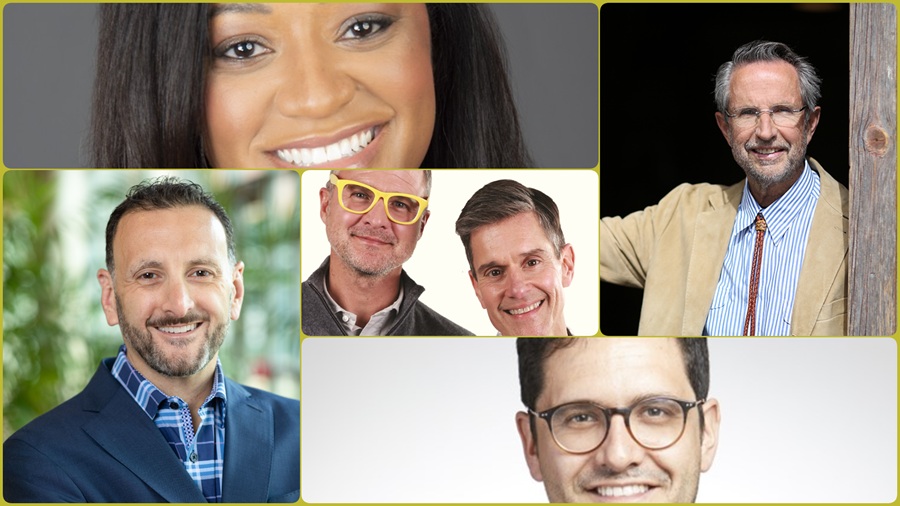 As we near the end of our second successful and exciting year at the Center for Social Capital, we’re highlighting the most-watched CEO interviews of the year. This exclusive roundup focuses on how top executives are leveraging people-centric leadership to simultaneously drive sustainable profitability and build valuable social capital within their organizations, because they realize the two are inseparable. Discover the key takeaways from these essential leadership interviews that define success in today’s dynamic business landscape. From manufacturing to healthcare to retail, these leaders are redefining success by investing in and cultivating their greatest asset: people.
Bob Chapman’s Simple Idea for Big Success: R-E-S-P-E-C-T
By Chris Benguhe, RaeAnne Marsh and Elaine Pofeldt | June 27, 2024
Learn why Barry-Wehmiller’s CEO is attracting major business and thought leaders from all over the world to his doorstep.
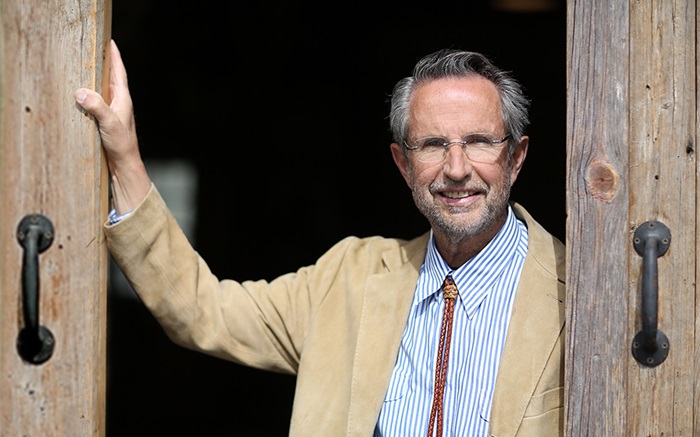
Telling CEOs, “You are the problem,” and supporting that statement with some jaw-dropping statistics, Bob Chapman advocates for a revolutionary approach to business leadership — and they give him standing ovations. Possibly even more remarkable, they seek out his advice to emulate his practices in their own businesses.
For instance, there’s American Airlines CEO Doug Parker, who “said he thought his goal was to build the world’s biggest airline until he met me. Now, he looks at his 125,000 people and his million passengers in a totally different way. Which gave him a higher calling.”
What is this remarkable concept? Bob’s friendly manner throughout this exclusive interview belies his passionate conviction that this is the right way and the best way to do business. As he told organizational professors from Washington State University, visiting one of his Barry-Wehmiller manufacturing plants, “Our product is our people. We build great people who do extraordinary things.”
Watch the full interview at Bob Chapman’s Simple Idea for Big Success: R-E-S-P-E-C-T : Dave Alexander Center for Social Capital.
Kindness Is the Key Ingredient in Soap Maker BEEKMAN 1802’s Business Model
By Chris Benguhe, RaeAnne Marsh and Elaine Pofeldt | July 3, 2025
Co-founders Dr. Brent Ridge and Josh Kilmer-Purcell have found that caring about employees and the community isn’t just the right thing to do — it’s a ladder to success.
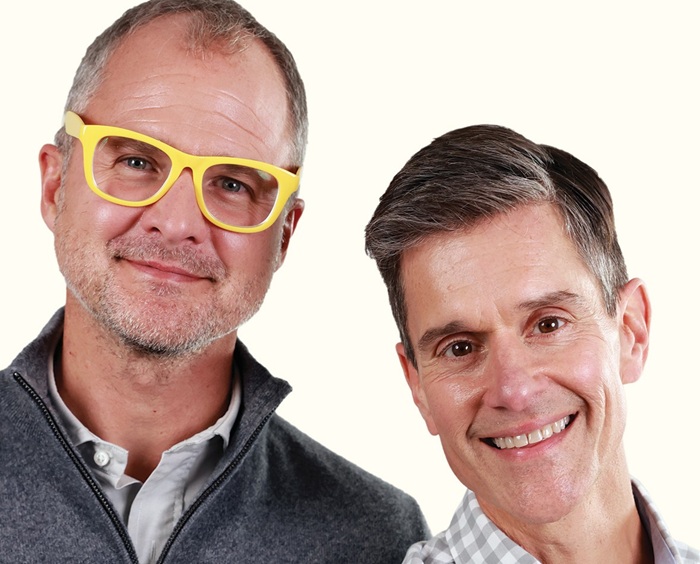
When Dr. Brent Ridge and Josh Kilmer-Purcell co-founded Beekman 1802, their dream was to build their successful business around the principle of kindness.
Brent, a physician in a hospital, and Josh, a corporate advertising professional, started the company in upstate New York, in one of the state’s most impoverished counties, with no funding when both lost their jobs during the 2008 recession. They used goat milk from the Sharon Springs farm they’d bought as a weekend getaway to create skincare products. A neighbor who was losing his own farm gifted them his 80 goats, offering to help them run the farm if they let him live in their cottage.
“We had no plans of starting a business,” says Josh. “We only say that that first act of kindness taking in our neighbor was what eventually started our business, without even knowing we were going to have one.”
Watch the full interview with the Beekman Boys at Kindness Is the Key Ingredient in Soap Maker BEEKMAN 1802’s Business Model : Dave Alexander Center for Social Capital.
Charlie Malouf Saved His Company by Creating Clear Career Paths and Incentives for His Team
By Chris Benguhe, RaeAnne Marsh and Elaine Pofeldt | March 20, 2025
The president and CEO of Broad River Retail, a licensed Ashley Furniture retailer, led the company from near-bankruptcy to a remarkable turnaround through a people-centric, abundance mindset.
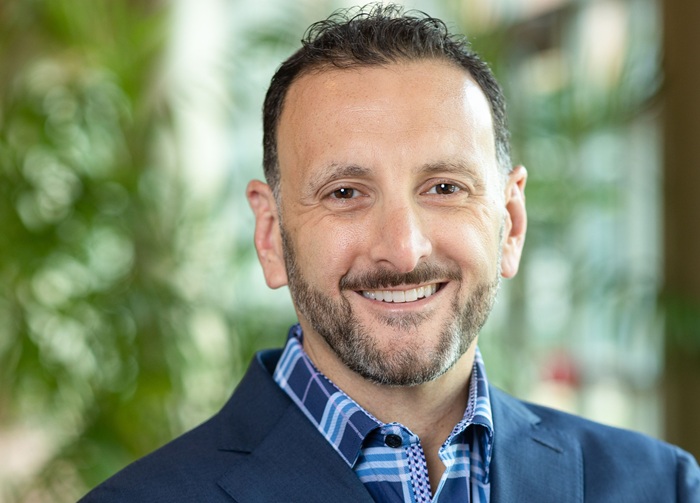
Charlie Malouf’s statement early in his conversation with Chris Benguhe sets the tone for his exclusive interview for the Dave Alexander Center for Social Capital: “I’m surrounded by some amazing people, and business is more fun when you make it about people and about lifting others up.” And he shares the remarkable story of how he came to apply that attitude toward business.
Charlie, president and CEO of Broad River Retail, a licensed Ashley Furniture retailer, discusses how his company’s near-bankruptcy experience in 2015 transformed their approach to business. Rather than cutting costs and reducing headcount, he invested more in his people by creating clear career paths, incentives and elevated titles for his sales associates. This “human capital” focus, versus a traditional “human resources” mindset, empowered his team and led to a remarkable turnaround and growth for the company.
“Our purpose statement is, “Furnishing Life’s Best Memories,’” he says. “But the way we like to think about it is outwardly focused. So, we like to think of it as ‘Furnishing Life’s Best Memories … for others.’ For other people.” And by “other people,” Charlie means employees — whom he calls “our own memory makers” — and their families as well as customers and partners. “Because it’s not a zero-sum game; it’s a spirit of abundance, a mutual prosperity — and we want a healthy ecosystem for our neighbors, for our community, for our planet, for our friends in the industry, and for other organizations whom we get to support.”
See the rest of the interview at Charlie Malouf Saved His Company by Creating Clear Career Paths and Incentives for His Team : Dave Alexander Center for Social Capital.
Karla Trotman Sees Employees as Her Team’s Most Valuable Asset
By Chris Benguhe, RaeAnne Marsh and Elaine Pofeldt | October 2, 2025
Electro Soft’s president and CEO prioritizes a long-term talent retention strategy over short-term profits.
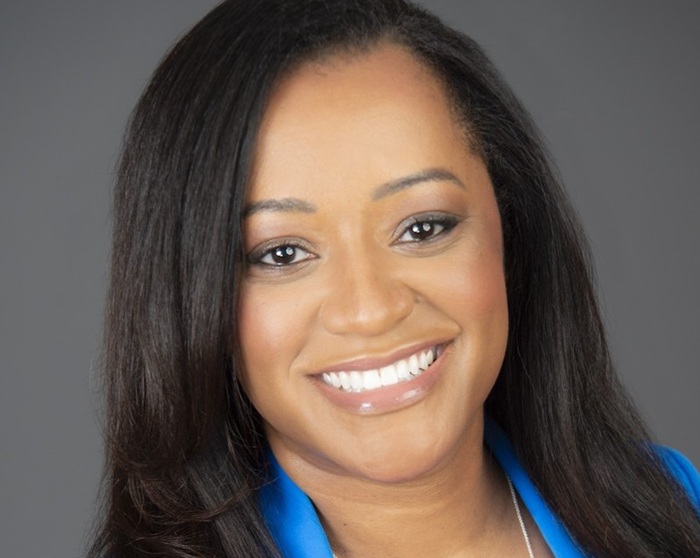
Many CEOs in manufacturing are thinking about reducing their workforce as tariffs hit. Karla Trotman, president and CEO of Electro Soft, Inc., a contract electronics manufacturing firm in Montgomeryville, Penn., in contrast, sees her team as the business’s greatest asset — one essential to the company’s long-term future.
“With tariffs, which have impacted our bottom line, I’m able to say, ‘No, we’re going to hold on,’” she says. “And we may not make as much money this quarter, but I feel like in the long term, we’re maintaining our employees, remaining our staff, people are feeding their families. And we’re going to do that because that makes more sense to me in the long run than a short-term gain in profit because if that was what I was chasing, I probably would’ve lost half of my workforce.”
See the rest at Karla Trotman Sees Employees as Her Team’s Most Valuable Asset : Dave Alexander Center for Social Capital.
Saving Lives – At the Speed of Viz.ai
By Chris Benguhe, RaeAnne Marsh and Elaine Pofeldt | September 4, 2025
How empathy enabled Dr. Chris Mansi to create an artificial intelligence that re-imagines and democratizes healthcare with humanity at its core.
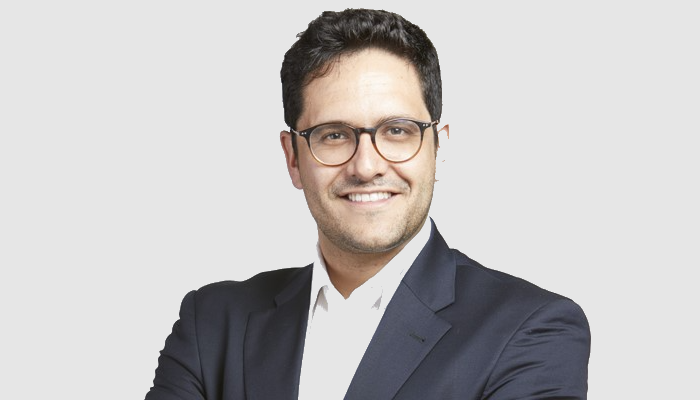
Everywhere you turn nowadays, you can hear the all-too-familiar battle cry: “AI is going to end the human race as we know it!” But Chris Mansi, M.B.B.S., MBA, is offering a radically different — and positive — vision. One where AI doesn’t destroy or replace humanity but saves it.
Ironically, his AI vision was born out of one of the most human traits of all: his incredible empathy toward the plight of those missing out on life-saving treatments.
As co-founder and CEO of Viz.ai, Dr. Mansi leads a company that uses real-time data and machine learning to accelerate critical-care decisions in stroke, trauma and cardiac emergencies. But beneath the algorithms lies a deeper driver: a refusal to accept preventable harm.
Read the full Q and A at Saving Lives – At the Speed of Viz.ai : Dave Alexander Center for Social Capital.
Check out the rest of our articles and interviews in our archive at: Social Capital Insider Archives : Dave Alexander Center for Social Capital.