SMART Technologies Develops Solutions That Save Teachers Time and Help School Administrators Improve Their Outcomes
By Chris Benguhe, RaeAnne Marsh and Elaine Pofeldt | October 30, 2025 12:13 pm
CEO Nicholas Svensson nurtures ‘connections that matter,’ bringing real solutions to schools around the world.
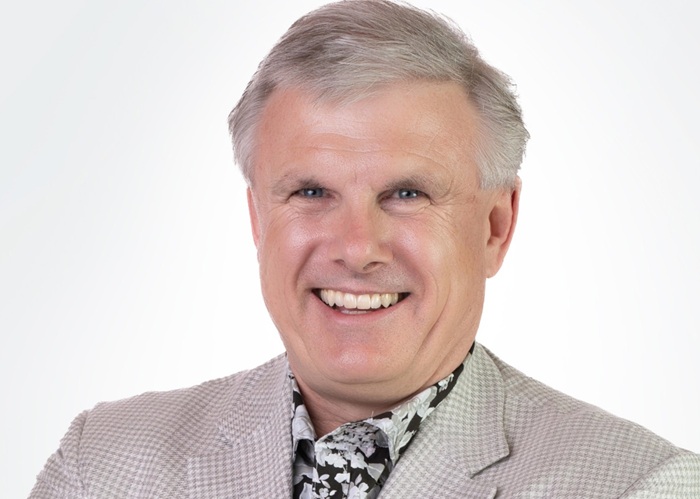
SMART Technologies helps school administrators stretch their budgets and teachers improve learning. “As educators in the education community, we have exemplary educators and our SMART ambassadors, as we call them now, where we bring in best practices from teachers and we have a community of teachers and learners and administrators where they can see best practices, they can share things that work, things that don’t work along the lines of using technology in the classroom,” says CEO Nicholas Svensson. He believes his “connections that matter” approach has been key to SMART’s market leadership and commercial success — and it’s that approach which calls him out as a Social Capital leader.
Those connections start with listening.
“Since I took over as CEO, one of the requests that I had for the employee population was just, ‘Keep it real, guys. Just keep it real. … Let’s try to get to the basic information that you’re trying to communicate or what you feel.’ And then somebody came back to me and says, ‘Well, you can’t check people’s feelings.’ And so you add all these things up and you realize you need to listen to people, and it’s usually a very complex process. It’s not a simple process, it’s not hearing; it’s actually listening and processing and asking some probing questions.”
Listening is actually a two-way street, Nicholas notes, pointing out that in the process of listening to people and trying to understand where they’re coming from and why they have the opinion they do, you can also communicate what it is you’re thinking to them. “So, it’s not always about just listening to an input, but it’s also explaining your position and your rationale and reasons, and you kind of get to a common point — which is the point, because then you can move forward.”
Becoming committed to listening, Nicholas says the company went through an evaluation of its level of employee engagement. “We took the feedback, we went through all the verbatims and things, we categorized it, we engaged people in that whole process.” The leadership team set values and behaviors and started living around those, Nicholas relates. “Scores went up, which was great, and scores went up because we were just simply talking to people and listening to them and having sessions.”
This inspired his decision to “call everybody in the company at least once a year just to have a half hour to get to know them” — which he continues to do. “Now, we’re about 500 people, so you can gauge what kind of time commitment that is, but it makes a huge difference to people when they feel that they can talk to me.”
The process took determination. “The first set of feedback, I can tell you, was very tough. It was some ugly stuff that was being fed back to us and we took it on the chin and we said, ‘Okay, we own this. Let’s find out why people think this way. Let’s explain things to people in a conversation to understand where they’re coming from.’” The result: “We went from mid-60s up to 90s on engagement.”
Applying that philosophy to customer relations, Nicholas says, “We sell technology into classrooms. And one of the things we have to keep in mind is, a piece of technology is useless unless it’s being adopted and used. And so our real passion is, and our purpose is, to create the moments in the classroom where somebody learns something. … If a customer’s having a problem or something’s not quite working, we should make it our goal to help them solve it, whether it’s caused by us or whether it’s something else.” And if the problem does stem from another company’s product, he says, “We probably know that company. We probably know people at that company. We can connect to people, we can have a three-way call, maybe a four-way call, and just be that kind of glue that helps people get together.
“So that’s when I look at connections that matter — don’t just care about the sale but care about the outcome that the customer wants.”
Nicholas applies that same listening directive to his employees. “Everybody’s a little bit defensive about, ‘Is there something wrong with my product? Let me prove that it’s not me. Let me prove that it’s not me first,’” he notes. But his response is to say, “Don’t worry about whether it’s you or somebody else; there’s a problem” and to go into the situation with the focus on solving the problem. “In the course of doing that, we’re going to learn something about the complexities of the ecosystem, the customer’s going to be happy, and we have achieved our goal.”
It’s a culture of achievement, not of blame; it’s a culture purposely fostered as people-centric. “People talk about hiring better talent and hiring that’s not sure, but why not start with trying to get the most out of what you have?” Nicholas says. Click on the link below to listen to the full conversation.