Social Capital in Action
| September 17, 2026 7:17 am
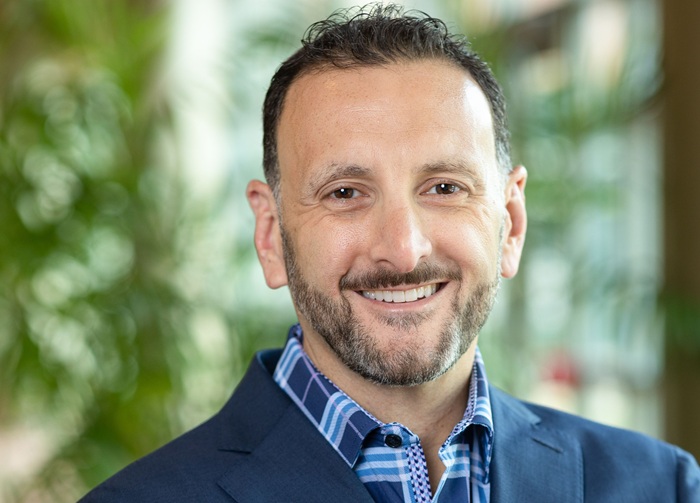
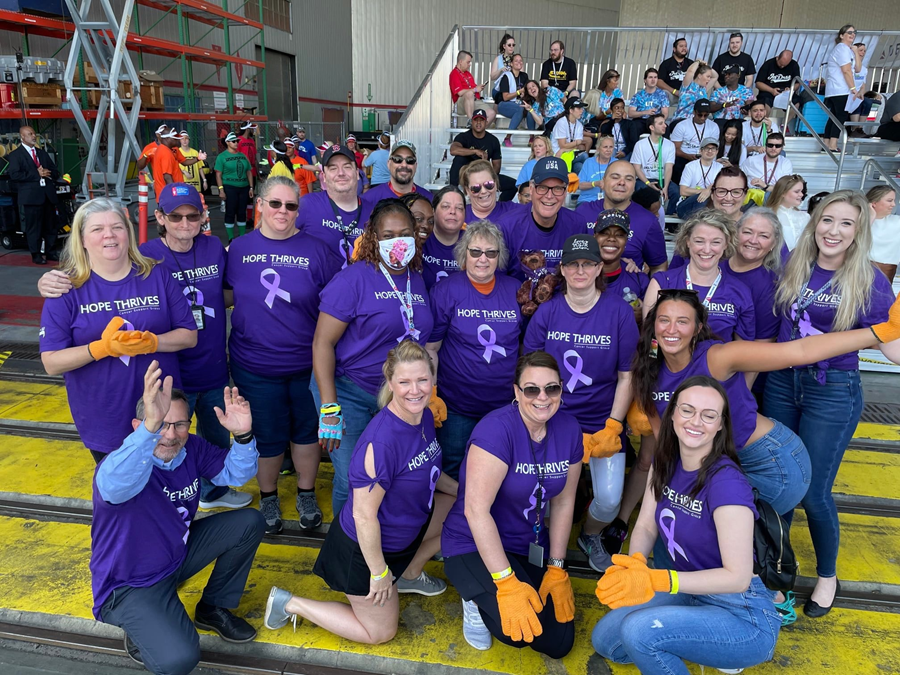
“Business is more fun when you make it about people and about lifting others up.” That’s the philosophy of Charlie Malouf, president and CEO of Broad River Retail, a licensed Ashley Furniture Retailer. When his business nearly went bankrupt in 2015, he didn’t reduce headcount. He invested in his people, creating clear career paths, incentives and elevated titles for his sales associates — and it led to an unparalleled culture. Read more of his story in “Top 5 CEO Interviews of Spring and Summer 2026 Prove People-Centric Business Leadership Is Profitable.”
ICYMI: Our Top 10 list of Social Capital movies

Image: kp yamu Jayanath / Pixabay
Summer isn’t over yet, and it’s a perfect time to duck into the air conditioning for an inspiring movie. With that in mind, we’ve assembled some of our Social Capital faves in “Roll ‘Em: The Top 10 Social Capital Movies of 2026.” You may not have thought of movies like “Chef,” “Erin Brokovich” or “Big Night” in the context of running a company that puts people first, but we think our list will get your creative juices flowing. (Published on September 10, 2026)
Employers, invest here if you want 1,800% ROI!
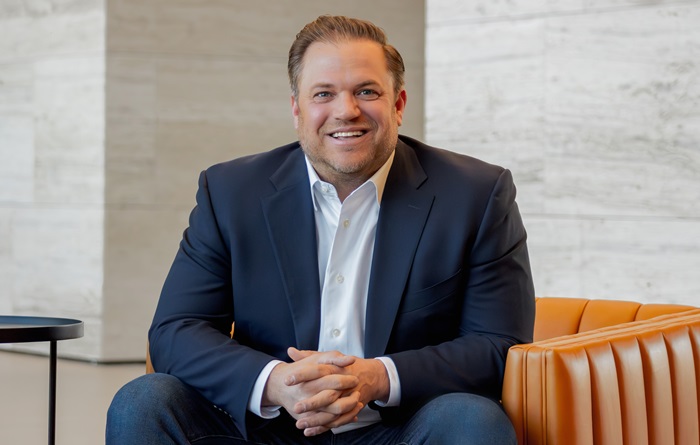
In most firms, any investment that brought an 1,800% return would be considered a whopping success. Research from Vivvi and The Fifth Trimester found that for every dollar employers invest in caregiving benefits, there’s a return of $18.93, bringing us to that incredible ROI. That’s because childcare disruptions like daycare closings, sick nannies and a lack of last-minute backups cause lost productivity, turnover and absenteeism in a number of industries — and avoiding these problems pays off. Read on to learn how major companies — like Keyser Commercial Real Estate under the leadership of Jonathan Keyser — are helping the caregivers on their teams and their own bottom lines in “Family-Friendly Policies Are the New Competitive Edge in Business: Six CEOs Leading the Way.” (Published on September 3, 2026)
Finding the right mentor at the right time – made simple!
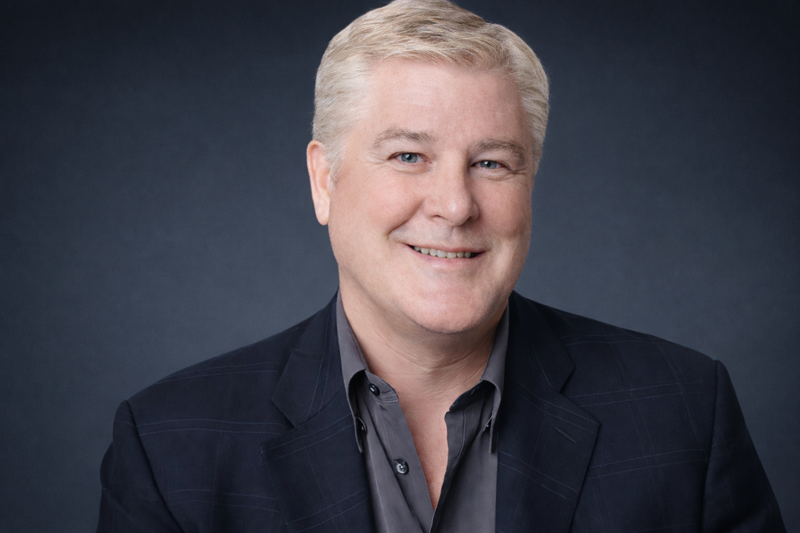
Finding the right mentor at the right time isn’t easy. Mark Donohue aims to make it simpler at LifeGuides, a company that offers mentoring as a subscription-based benefit to client companies’ employees. The matching is designed to match users with peers who have been through similar experiences, such as raising a child with autism. Says Donohue, “You can’t get that from AI or chat.” Read more in “Mark Donohue’s LifeGuides Turns Mentoring into a Life-Transforming Relationship and Benefit for Employees.” (Published on August 27, 2026)
Urs Koenig offers insight into how leaders can develop and tap into humility
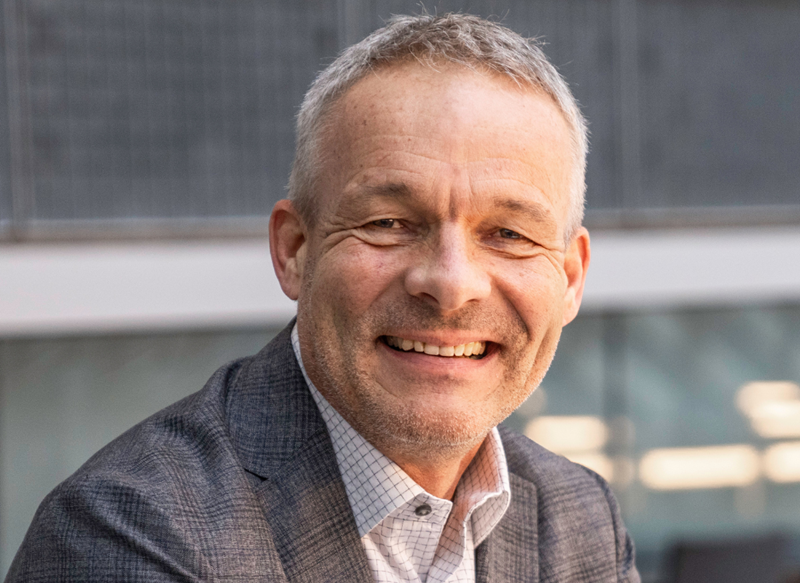
True humility is a rare attribute, but it is a powerful asset for leaders. In “Radical Humility: I Love You, and Your Work Is Not Good Enough,” award-winning author Urs Koenig offers insight into how leaders can develop and tap into humility and use it to help team members accept feedback. If you are a Social Capital leader looking for new ways to help your people achieve the best possible results, don’t miss this article.
Read the success stories shared by Zensai’s top team
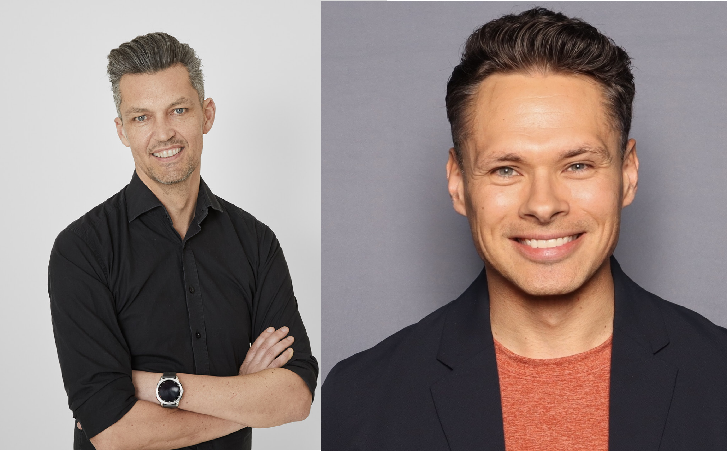
Have you ever wondered how to make sure everyone your team has the skills, knowledge and motivation to be successful in their jobs? So did Zensai’s CEO Rasmus Holst and Chief Business Officer Robin Daniels. They share the successful strategies that worked for them at their human resources company in their co-written book The Human Success Playbook: Leadership Tale for the Age of AI. They shared the strategies and the stories behind those strategies with Chris Benguhe, founder and president of the Dave Alexander Center for Social Capital and publisher of the Social Capital Insider, in this compelling interview. (Published on August 13, 2026)
Debbie Kovesdy’s GenTech recognizes that ‘family’ can have many interpretations
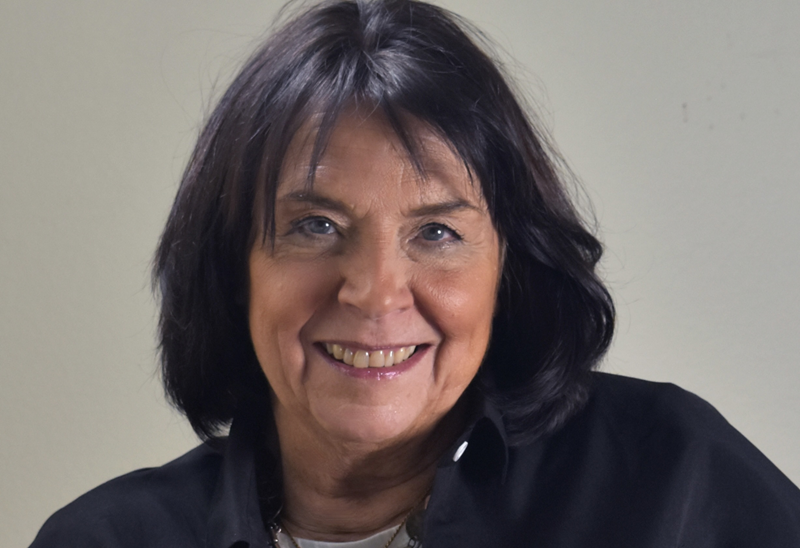
The tech support company GenTech, under the leadership of founder and CEO Debbie Kovesdy, understands how important family is for its employees — and has put innovative policies in place to support them. Managers actively plan team members’ assignments around their school and personal schedules. Employees can supplement their childcare with the KidsTech program, which provides drop-in, hands-on educational tech programs. Recognizing that the term “family” can have many interpretations, the company throws the welcome mat out to employees’ significant others and children at large gatherings. Read more about GenTech and five other organizations that are putting family first in “Family-Friendly Policies Are the New Competitive Edge: Six CEOs Leading the Way.”(Published on August 6, 2026)
Looking for ideas on how to retain top talent? Don’t miss this
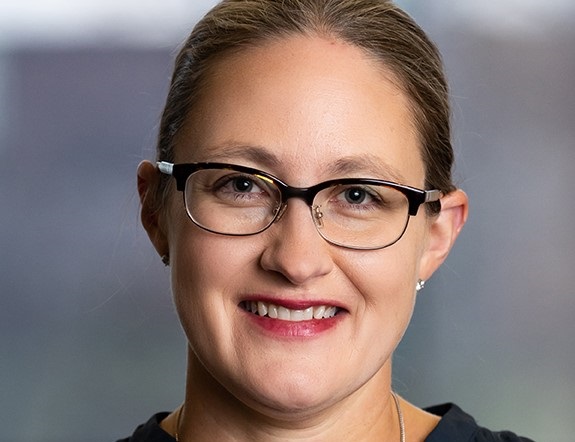 ents are hurting these days and feel employers are turning their back on the 24/7 struggles they face. In “Family-Friendly Policies Are the New Competitive Edge in Business: Six CEOs Leading the Way,” we offer a close look at how cutting-edge employers are balancing the concerns of their employees and business needs. They’re companies like Allianz Life Insurance Company, led by CEO Jasmine Jirele, which has expanded programs like hybrid and flexible work arrangements and a work-from-anywhere program in response to employee feedback. If you are looking for ideas on how to retain top talent, don’t miss this must-read. (Published on July 30, 2026)
The best potential buyers are the business’s own employees – says Katie Boland
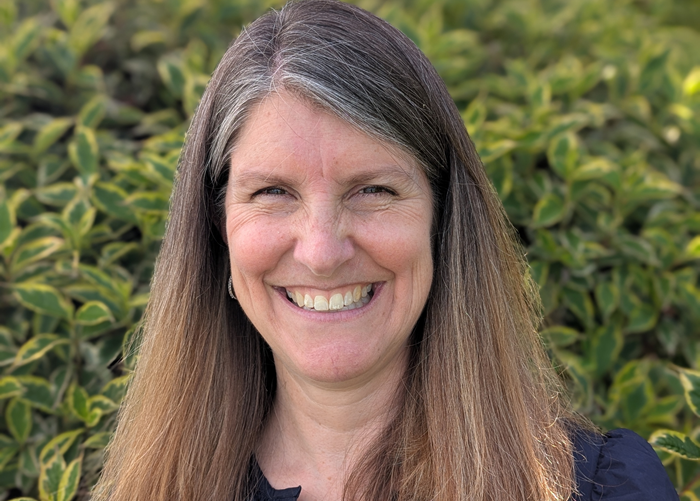
Many business owners start to think about their next act once they turn 60. Katie Boland aims to help them get clear on what that is at Unlock Ownership. She has found that, often, the best potential buyers are the business’s own employees. In Social Capital spirit, she has helped leaders explore Employee Stock Ownership Plans (ESOPs) and Employee Ownership Trusts (EOTs). In “The Best Buyer for Your Business May Already Work There,” she explores why these transitions work so well. Don’t miss it if you’re thinking about what happens next for your business if you move on. (Published on July 23, 2026)
‘Don’t just care about the sale but care about the outcome that the customer wants’
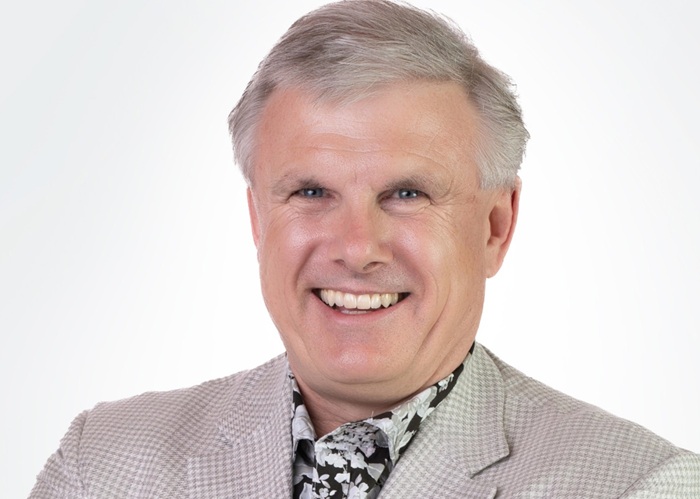
CEO Nicholas Svensson has devoted himself to helping school administrators stretch their budgets and teachers improve learning. His company, SMART Technologies, sells classroom technologies. Aware that technology is useless if it’s not adopted and used, he’s learned that listening is the key to delivering what educators need and helping them solve any problems, even if those require a call to another company that makes a technology used alongside one provided by his own. “That’s when I look at connections that matter — don’t just care about the sale but care about the outcome that the customer wants,” he says. Read more about his philosophy in “SMART Technologies Develops Solutions That Save Teachers Time and Help School Administrators Improve Their Outcomes.” (Published on July 16, 2026)
AI cannot ‘hold a company together when the ground shifts,’ says Televerde CEO Vince Barsolo
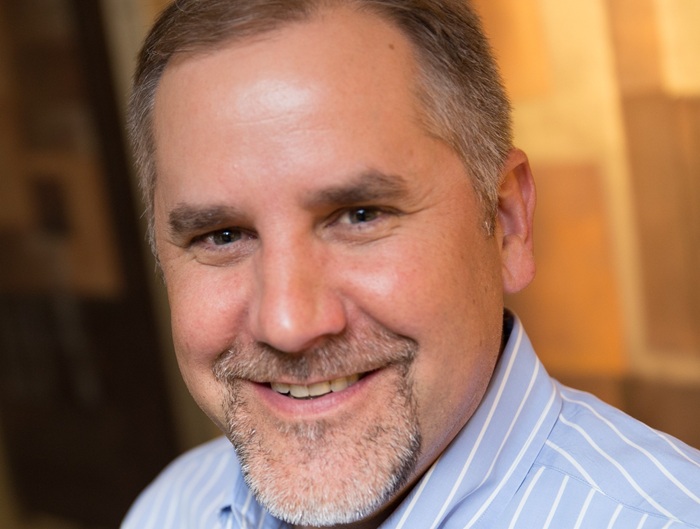
As Televerde CEO Vince Barsolo puts it, “AI is already replacing jobs. That’s not a forecast. It’s already happening. And as CEOs, we’re the ones signing off on it.” And, while AI can bring efficiencies, there’s a catch: “Algorithms can’t build trust, inspire loyalty or spark creativity,” he writes. “They can process tasks but can’t hold a company together when the ground shifts. The companies that survive disruption won’t be the ones with the most tools. They’ll be the ones that safeguarded their human foundations and kept their people connected and committed.” If you’re wrestling with challenging decisions on whether to use AI, you won’t want to miss his essay, “The CEO AI Dilemma: Short-Term Efficiency or Long-Term Sustainability?” (Published on July 9, 2026)
Mike Brady on the most powerful wellness intervention for team members
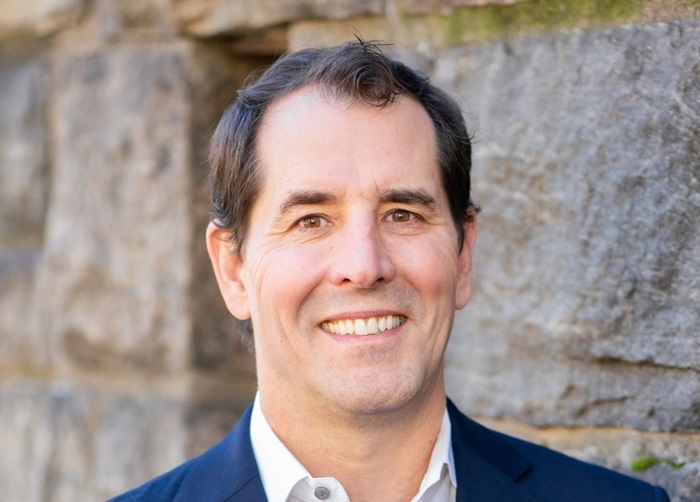
Mike Brady believes the most powerful wellness intervention for team members is ownership. “When employees have a real stake in the outcome, everything changes,” he writes in “The Well-Being Crisis Is A Business Emergency—Protecting Your People Is Protecting Your Profits.” “When employees have a real stake in the outcome, everything changes. Work becomes more than a job. It becomes something they are building for themselves and their families.” Don’t miss Mike’s ideas in our May well-being feature. (Published on July 2, 2026)
Antonio Nuño of Someone Somewhere shares a hiring story
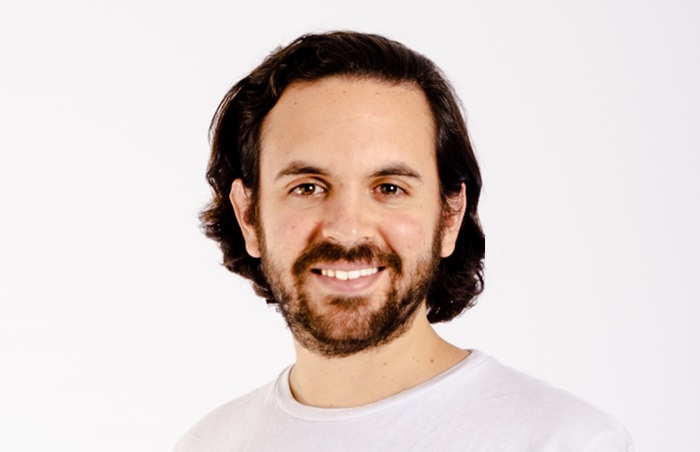
Fatima Alvarez leads three artisan communities and manages 150 people at Someone Somewhere, a Social Capital company that helps indigenous people market their work around the world. Someone Somewhere hired her after losing a team member who had been instrumental in connecting the firm to artisans, collecting product samples and creating a model that would work for communities and the global marketplace. That team member wanted to move back to the community and spend more time with her family — and made the introduction to Fatima. Antonio Nuño shared the story of this virtuous cycle in a LinkedIn post that inspired our whole team. Check out our earlier amazing interview with Antonio at Visionary Entrepreneur Unlocks Global Market for Artisans in Remote Villages : Dave Alexander Center for Social Capital. (Published on July 25, 2026)
Ed Bastian to Graduates: Put People First, Even When It’s Not Easy
When Ed Bastian, CEO of Delta Air Lines, gave the Emory University Commencement Address, he had an important message to the graduates: Put the people who matter to you first. “Our management philosophy at Delta is relatively simple — it’s focused on service to our people,” he said. “Take care of your people first — who, in turn, take care of your customers who reward you with their loyalty and investment in your product.” He also implored listeners to invest their time and energy in doing things the right way, not the easy way. “I’ve had many important decisions to make over the course of my career, and I must admit, taking a shortcut or pushing the easy button can sometimes be quite tempting,” he says. “But they never yield an enduring result or an effective solution.” Read more about why Ed is such a powerful people-centric leader in Top 66 People-Centric Leaders of 2025 Prove Taking Care of People Is Taking Care of Business. (Published on June 18, 2024)
Read Urs Koenig’s take on ‘strategic vulnerability’
Koenig calls “strategic vulnerability.” It is embodied by actions like those of Colonel Mark Adams, who, during a U.N. peacekeeping mission in East Timor, was deployed in a tiny village torn by conflicts. Rather than use force to bring peace, he walked into the village unarmed and told the community he simply wanted to talk, listen and understand. The village responded to his sincerity and offered critical information that brought stability to the area. Read more in “A Time for Show of Force vs Show of Vulnerability – in Peacekeeping and Business.”(Published on June 11, 2026)
Isak Pretorius determines to create opportunities for prosperity in Africa
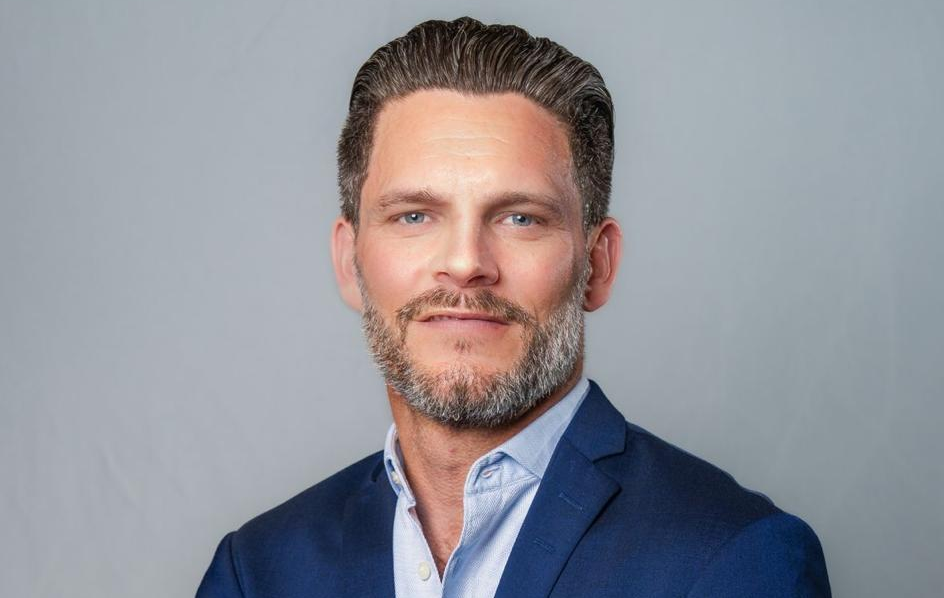
As Group CEO of the NGO ForAfrika, Isak Pretorius has made it his mission to create opportunities for prosperity in Africa, tapping his previous career in investment banking. “We engage with those communities where they’re at,” Isak says, explaining, “We listen to that community, we respect them. And when we hear from them what their Plan A is, then we take our knowledge, experience, expertise, and we help them to adjust that plan where necessary to create Plan A+.” The organization is focused on goals such as helping 20 million people become self-sufficient within 10 years. He spoke recently with Chris Benguhe, founder and president at the Dave Alexander Center for Social Capital and publisher of the Social Capital Insider. Here is the video interview. (Published on June 4, 2026)
Kyle Samuels on how workers can rebuild their confidence in the job market
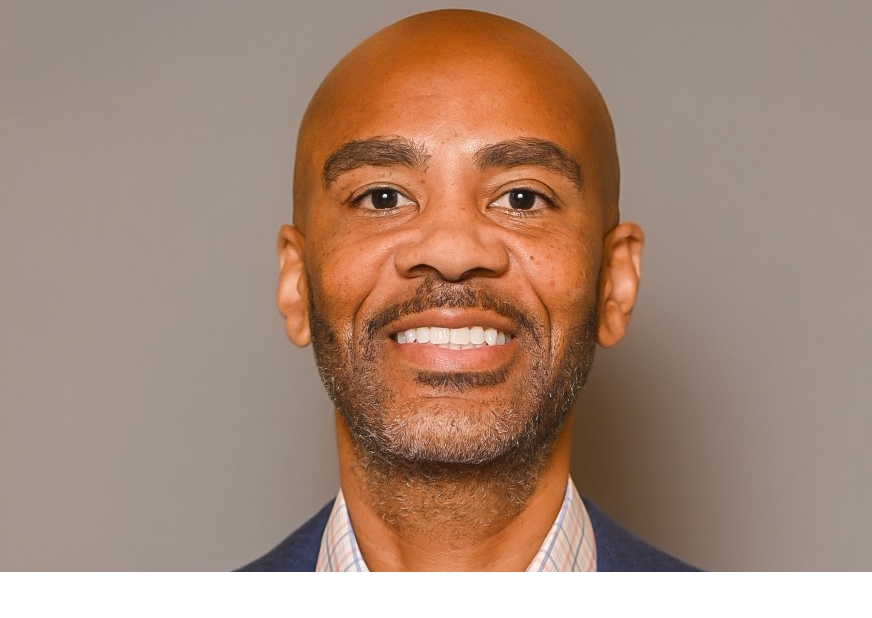
Many highly qualified people are losing confidence in their own abilities as they confront an unwelcoming job market. The reason isn’t their qualifications. It’s often a poor candidate experience, according to Kyle Samuels, founder of Creative Talent Endeavors. Job applicants get ghosted, see interviews canceled at the last minute and receive automatic rejections as soon as they respond to a help wanted ad. Samuels offers ideas on how workers can rebuild their confidence in “The Job market is not your friend. Why are you letting it make you question your worth?” (Published on May 28, 2026)
Menlo Innovations’ Richard Sheridan on “the business value of joy.”
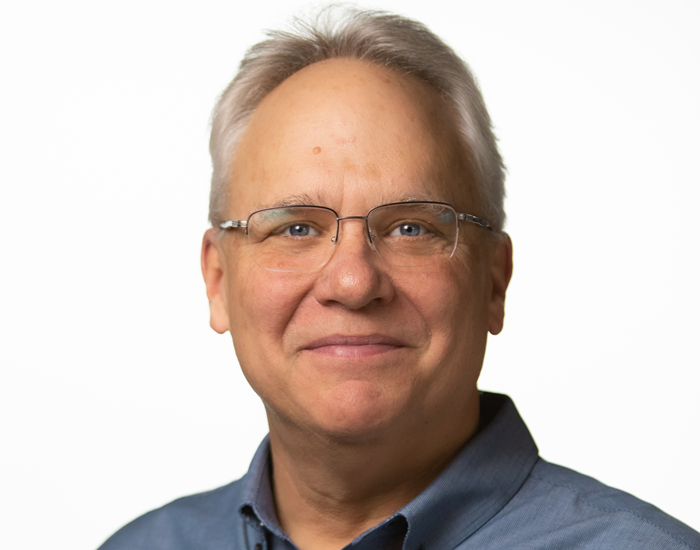
Menlo Innovations has built its business model around what CEO and co-founder Richard Sheridan calls “the business value of joy.” “We’ve created a culture that is intentionally focused on what we like to call the business value of joy,” he says. He encourages team members to choose projects that bring them joy and to consider two questions: “Who do you serve? And what would delight look like for them?” Learn more about his approach to building a unique culture that has drawn 2,000 to 3,000 people from around the world “just to come see how it works.” Read more in “Joy to the World – Thanks to Technology Created by High-Tech Anthropology.” (Published on May 21, 2026)
Gary Sagiv’s unique insight on trust: Let people ‘carry weight … make decisions and live with the consequences.’
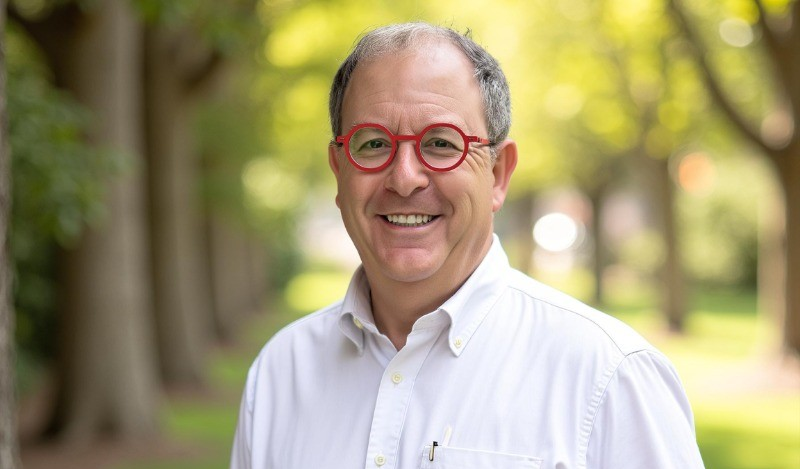
Gary Sagiv, CEO at Motion Informatics LTD, which makes medical technologies for people recovering from stroke and neurological injury, says culture isn’t about slogans or culture statements framed on a wall. It’s about trust — “the kind where you allow people to carry weight, make decisions and live with the consequences of those decisions.” Empowering the company’s team means allowing its engineers, clinicians and product leaders to feel the responsibility of achieving outcomes for people impacted by a life-altering medical event. Read more on how he does that as a Social Capital leader in “10 Business Leaders Who Empower – and Help Their Companies Win in Tough Times.”
Hear what Jeff and Ishan of Moka Origins say on creating a culture of psychological safety
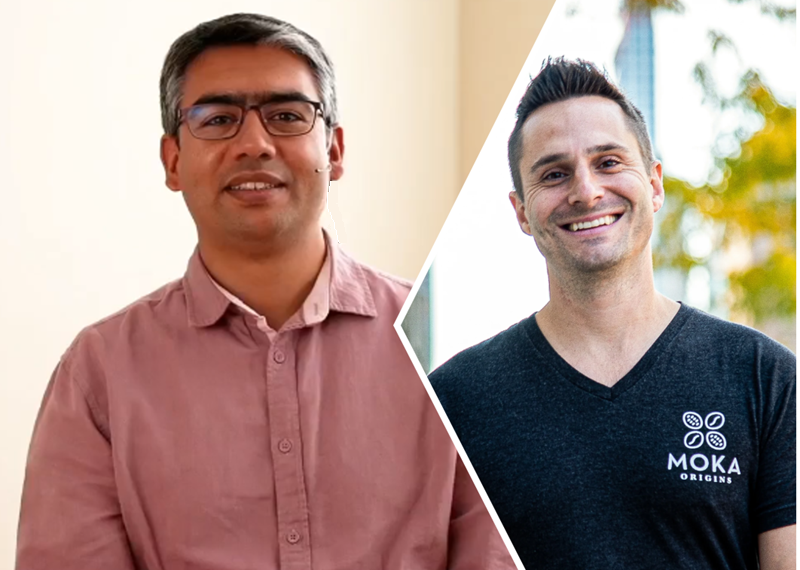
Moka Origins has built a culture of communication around active listening. This enables the leadership team to stay closely connected to the needs of each team member and provide meaningful, personalized support, according to Jeff Abella, CEO and co-founder, and Ishan Tigunait, co-founder. Making sure that, at every level of the company, everyone’s voice and concerns are heard starts with creating a culture of psychological safety, they shared for our feature “10 Business Leaders Who Empower – and Help Their Companies Win in Tough Times.” (Published on May 7, 2026)
Tarang Amin on the mindset that has led to 26 back-to-back quarters of net sales and market-share growth
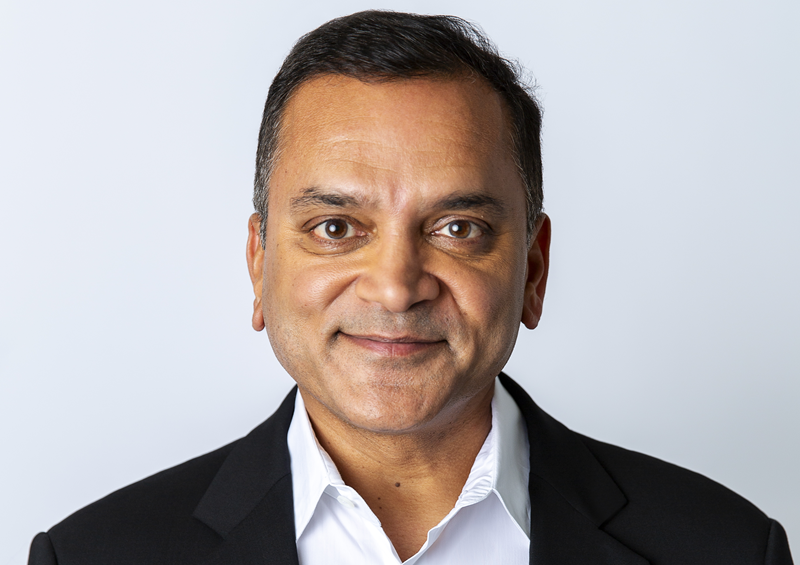
At e.l.f. Beauty, chairman and CEO Tarang Amin aims to create an ownership mindset by empowering employees. “At e.l.f. Beauty, every employee is a shareholder, and we operate as a High Performance Team where accountability and collaboration go hand and hand,” he says. “This creates an environment where people feel comfortable speaking up, taking smart risks and bringing their whole selves to work.” That mindset has led to 26 consecutive quarters of net sales and market share growth. Learn more about how he has built a culture of growth in “e.l.f Beauty Is All About Empowerment.” (Published on April 30, 2026)
Read about Amy Lemire’s strategies for building a Social Capital company
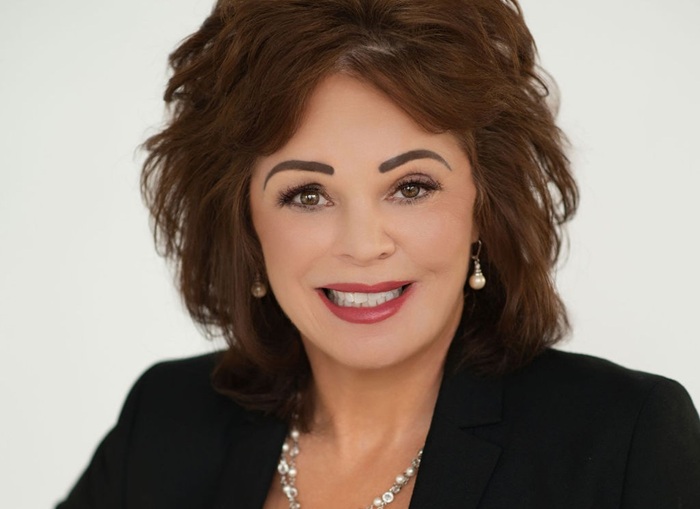
“If you see something, say something.” That’s the approach Amy Lemire and her team embrace at AIM Training & Consulting Inc. While that phrase is often used in public transit settings to encourage riders to report suspicious items or activities, it has a different meaning at AIM Training & Consulting. It is to encourage employees to speak up if they notice a challenge, opportunity or better way to do something. Read more about Lemire’s strategies for building a Social Capital company in “10 Business Leaders Who Empower – and Help Their Companies Win in Tough Times.” (Published on April 23, 2026)
Empowerment for business performance and long-term success. Read how Delta does it.
Empowerment isn’t just a nice-to-have in business. Research increasingly shows it is a requirement for business performance and long-term success. Delta Air Lines embraces this mindset under the leadership of CEO Ed Bastian. At its annual VELVET event, the airline connects frontline employees with colleagues and leaders all over the world. Senior leaders can hear direct input from their teams. The company also seeks employees’ feedback through its Flourishing Index — a survey measuring their emotional, social, physical and financial wellbeing. Read more in “10 Business Leaders Who Empower – and Help Their Companies Win in Tough Times.”(Published on April 16, 2026)
Tom Nolan looks for an encore at Les Schwab Tire Centers
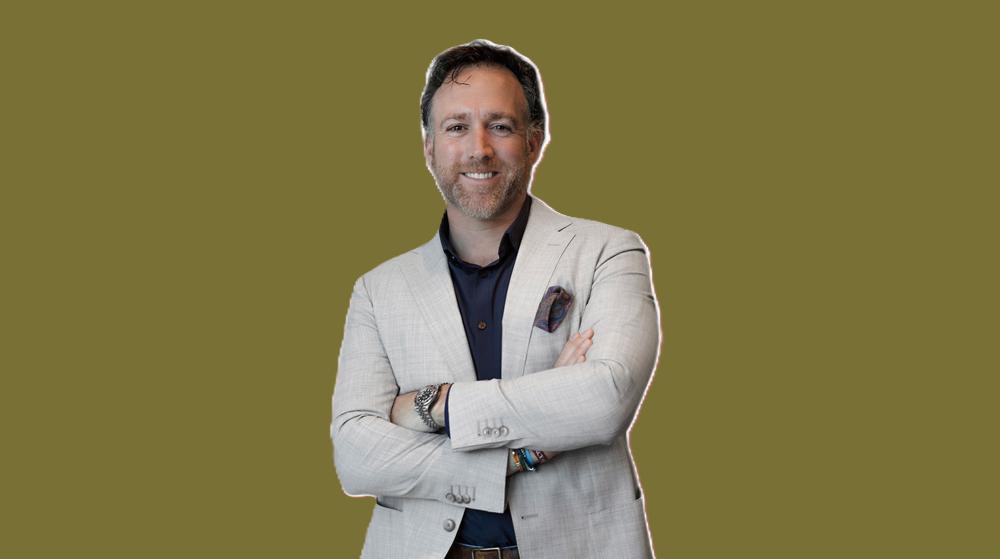
Tom J. Nolan is truly a values‑driven leader, which is why we honored and featured him repeatedly when he led Kendra Scott, driving the entire organization to treat its customers, employees and those in the communities where they operate “like they are members of our family.” We were even more taken by the incredibly personal reason he took that job after a powerful experience related to the life-changing efforts to help children in the community supported by Kendra Scott: Tom Nolan’s Cancer-Ward Epiphany Led Him to Accept the Helm at Kendra Scott.
Now, Tom is proving once again why he is such a sterling example of a Social Capital leader with his recent announcement he will take over as CEO of Les Schwab Tire Centers. “What I admire most about Les Schwab is that it has always stood for something bigger than the products and services it provides … the company has earned loyalty across generations by treating customers like family and recognizing the skill and dedication of the teams who deliver trusted, high-quality service every day.” This is yet another powerful example of his integrity in action. (Published on April 9, 2026)
Mark Donohue’s LifeGuides has pioneered a non-clinical approach for mental health issues. Read about it
With the nation facing a mental health crisis, LifeGuides, has pioneered a fast-growing niche: non-clinical mental health solutions for workers. “Many employees are not facing clinical mental health conditions,” says Mark Donohue, founder and executive chairman. “But they are navigating a variety of life events — normal but difficult challenges of life and work, leadership pressure, career transitions, health concerns, aging parents, financial stress and burnout.” The company focuses on mentorship, shared experience and human-to-human guidance that helps people process challenges before they escalate. Read more about LifeGuides’ proactive approach here. (Published on April 2, 2026)
‘We find that empowering our employees to speak up means we can make the best business decisions’
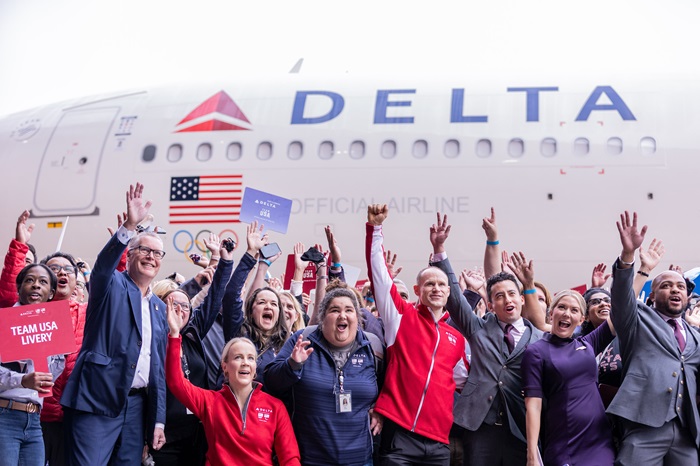
Empowering employees to express their ideas has been essential to the success of Delta Air Lines, according to CEO Ed Bastian. Says Bastian, “Whether it’s doing the right thing for the customer in the moment, requesting a change to a process to improve safety or supporting a colleague in need, we find that empowering our employees to speak up means we can make the best business decisions and better serve our customers and our people.” Read more of his ideas in “10 Business Leaders Who Empower – and Help Their Companies Win in Tough Times.” (Published on March 26, 2026)
Tarang Amin: “We say, ‘One Team, One Dream,’ and we mean it.”
To Tarang Amin, creating an ownership mindset is a critical step toward empowering the company’s team. Part of that endeavor means holding regular open forums where employees can openly share ideas. “Just as important, we act on what we hear,” Amin says. “When people see their input shaping decisions and put into action, it reinforces ownership and trust. We say, ‘One Team, One Dream,’ and we mean it; accountability comes from caring about one another and the business we all own.” Read more of Amin’s ideas in “10 Business Leaders Who Empower – and Help Their Companies Win in Tough Times.” (Published on March 19, 2026)
Why Karla Trotman said she “didn’t care what color her hair was” to an interviewee
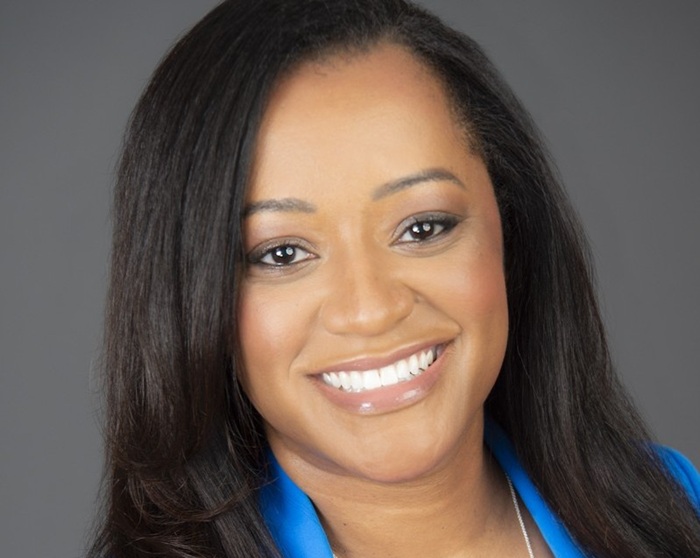
When an interviewee at Karla Trotman’s company Electro Soft asked if her green hair and tattoos would be “a problem,” Trotman told her the truth: “I didn’t care what color her hair was, as long as she showed up on time every day and did good work,” she recalls. “And in that moment, I could see the stress instantly leave her body. Something special happens when people feel valued for who they are.” Trotman is one of 11 leaders we interviewed in our latest feature “Fairness in Business.” Learn how they interpret the concept of fairness and put it in action here. (Published on March 12, 2026)
Here’s how Matt Wilkerson defines fairness of opportunity
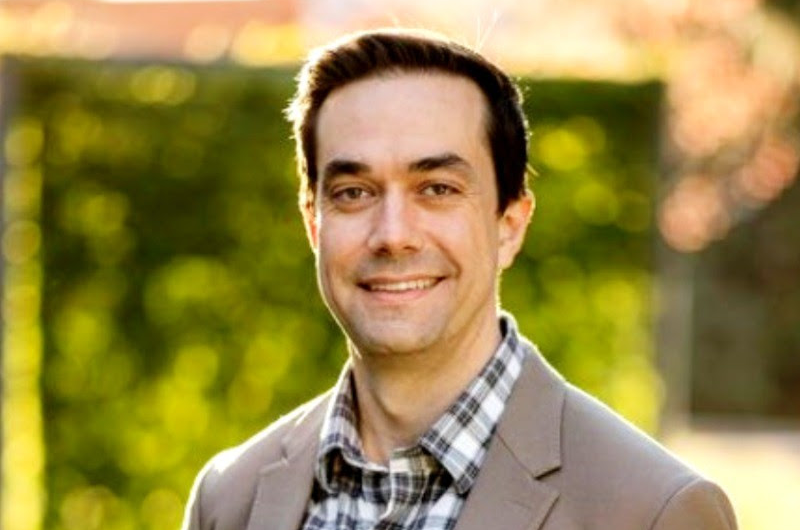
Life isn’t fair but that doesn’t mean businesses can’t aspire to create their own version of a meritocracy. In writing “Fairness in Business: 11 Leaders Proving It’s a Competitive Advantage,” we had a chance to speak to top CEOs about how they make sure every team member feels they have a fair shot at achieving their potential. “Fairness of opportunity means that your ability to advance isn’t limited by where you were born, who you know or what doors were opened for you,” says Matt Wilkerson, founder and CEO at Extern. “So, it’s defined by your willingness to learn and the proof of what you can actually do.” (Published on March 5, 2026)
Mike Brady envisions a revolution that will bring more fairness to business
Many people look around them and see a world that’s very unfair. Mike Brady, former CEO of the social venture Greyston Bakery, believes that’s about to change. He envisions a business revolution that will bring access, fairness and economic empowerment. The foundation will be more forms of employee ownership, among them employee stock ownership plans, employee ownership trusts and worker cooperatives. Read more in “Wealth for Everyone: How Business Can Actually Deliver It.” (Published on Feb. 26, 2026)
Read more about Matt Wilkerson’s game-changing solution Extern
With many young adults struggling to find work, MIT graduate Matt Wilkerson saw an opportunity to offer a game-changing solution — his startup Extern. It connects subscribers — both recent college graduates and “learners” who are jumping directly into the job market — with experiences that make them job ready. Workers in its network can apply for externships — remote work experiences with companies looking for talent. He shares his story here. (Published on Feb. 19, 2026)
Read more about Delta Air Lines’ groundbreaking employee empowerment programs
Only 30% of Americans say they would pay for a $1,000 emergency expenditure with savings. Some employers want to help their teams become better-prepared through financial wellness programs. Ed Bastian, CEO of Delta Air Lines, points to Delta’s Emergency Savings Program, which allows eligible employees to refuel their emergency savings after taking part in a financial education and coaching program. You can read more about the company’s groundbreaking empowerment programs here. (Published on Feb. 12, 2026)
Brad Feld has discovered that the rewards of ‘Give First’ “exceed my wildest expectations”
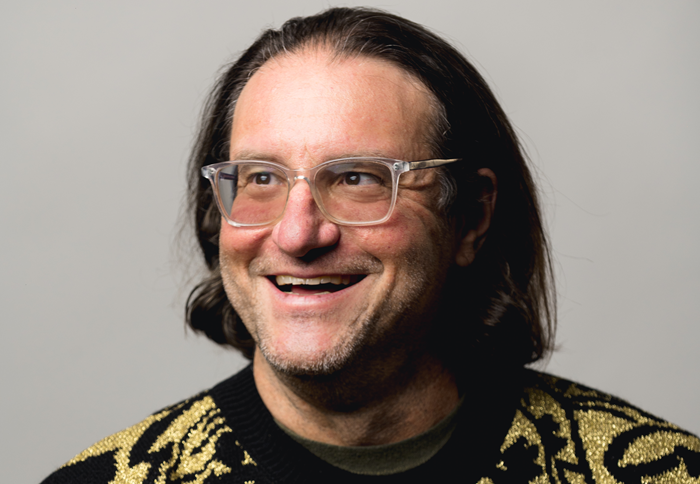
As co-founder of Foundry Group and Techstars, Brad Feld has built a career around the concept of “Give before you get.” “I am always willing to try to be helpful to anyone, without having a clear expectation of what is in it for me,” he wrote in his book Give First. “If, over time, the relationship is one way (e.g., I’m giving, but getting nothing), I’ll often back off on my level of give because this belief doesn’t underlie a fundamentally altruistic approach. However, by investing time and energy up front without a specifically defined outcome, I have found that, over time, the rewards that come back to me exceed my wildest expectations.” Read more in our excerpt, “Venture Capitalist Brad Feld: Why It’s Important to ‘Give First.’” (Published on Feb. 5, 2026)
Listening transcends the leader role, says Bob Chapman
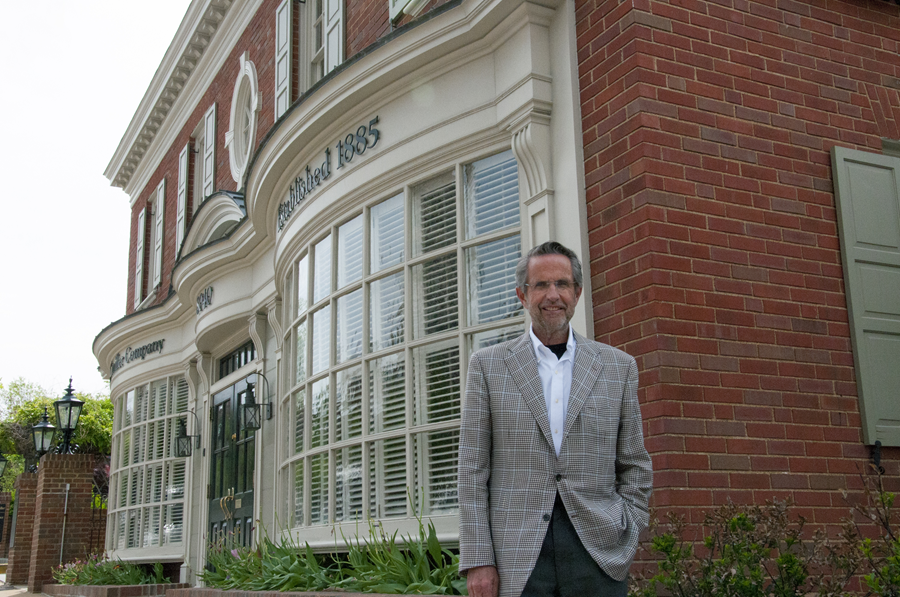
“[L]istening is the most important thing a leader can do,” according to Bob Chapman, chairman and former CEO of Barry-Wehmiller Companies. “But it transcends the leader role. Listening is the most important thing we, as humans, can do for one another. It shows empathy, it shows you care and, most importantly, it shows the person you are listening to that they matter.” Bob is one of our Top People Centric Leaders of 2025. Read more on the innovative ideas from the 66 individuals who made the list in this article: “Top 66 People-Centric Leaders of 2025 Prove Taking Care of People Is Taking Care of Business.” (Published on Jan. 29, 2026)
Did you know? Our Social Capital leaders have named their outstanding nominees for 2025

Here at the Dave Alexander Center for Social Capital, we spend a lot of our time looking for and honoring the leaders who are putting people first in their companies in the most inspiring and innovative ways. Many of our honorees have a unique vantage point to notice the work of other Social Capital leaders, and when we asked them to nominate outstanding leaders who prioritize their employees, their customers and their community, they had some wonderful suggestions. Check out their nominees in “The Top 8 People-Centric Business Leaders of 2025, Nominated By Their Peers.” (Published on Jan. 22, 2026)
“The companies that survive disruption won’t be the ones with the most tools.”
Every leader has choices to make about whether to prioritize growth in the immediate future or think longer term. In “The CEO AI Dilemma: Short-term efficiency or long-term sustainability,” Televerde CEO Vince Barsolo explores the challenging questions organizations now face about adopting technologies that have the potential to replace humans in some areas of business. While AI can bring efficiencies, he writes writes, “Algorithms can’t build trust, inspire loyalty or spark creativity. They can process tasks but can’t hold a company together when the ground shifts. The companies that survive disruption won’t be the ones with the most tools. They’ll be the ones that safeguarded their human foundations and kept their people connected and committed.” Read his full article for more of his insights. (Published on Jan. 15, 2026)
This is how Mike Brady ensures that those who create value share directly in its rewards
Mike Brady, CEO of 40 Million Owners, believes it is essential to bring fairness to wealth creation. He’s made it his mission to do that at 40 Million Owners, where he promotes the concept of employee ownership. That can take a variety of forms, such as employee stock ownership plans, employee ownership trusts and worker cooperatives. The common thread is they all ensure that those who create value share directly in its rewards. For more on his philosophy, see “Fairness IS a Powerful Profit Center, and It’s The Right Thing To Do.” (Published on Jan. 8, 2026)
Looking to transform your organization? Read how Phil Gilbert did it at IBM

Phil Gilbert, IBM’s former general manager of design, led one of the largest transformations in the company’s history. Set loose to improve upon IBM’s entire business process management group, the former serial entrepreneur pruned its bloated product line, trimmed its staff and added professional designers to the product team. Upsetting some colleagues with the changes, and inspiring others, Gilbert ultimately saw the proof was in the pudding, as the company raised profit margins and grew market share. If you’re looking to transform your own organization, don’t miss his piece, “Change Is an Offering, Not a Mandate” excerpted from his book Irresistible Change. (Published on Dec. 18, 2025)
The positive spillovers of inclusion are indisputable, says McKinsey’s Bob Sternfels
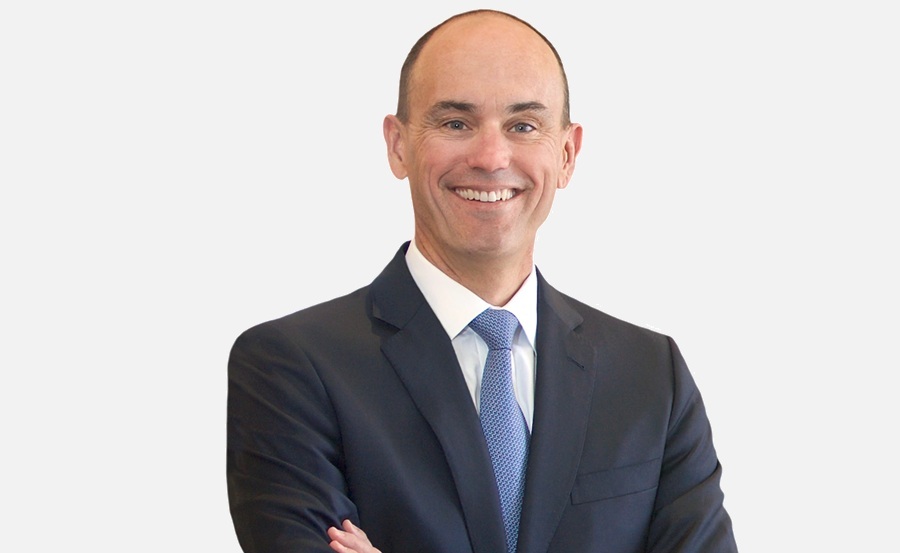
When it comes to workplace fairness, McKinsey & Co. is focused on creating equality of opportunity and achieving broad outcomes, like the narrowing of gaps in the standards of living on its team. “The positive spillovers of inclusion are indisputable and well documented: greater workforce participation, higher creativity, more capital allocated to children’s needs,” as Bob Sternfels, global managing partner at McKinsey & Co., and colleagues Tracy Francis, Anu Madgavkar and Sven Smit point out. However, policies need to be well conceived and address the root causes of inequality, not just tick boxes, they say. Read more in “Fairness Is a Powerful Profit Center, and It’s the Right Thing to Do.” (Published on Dec. 11, 2025)
How Abigail Johnson is tapping into Fidelity’s “power of differences” to enable everyone to thrive
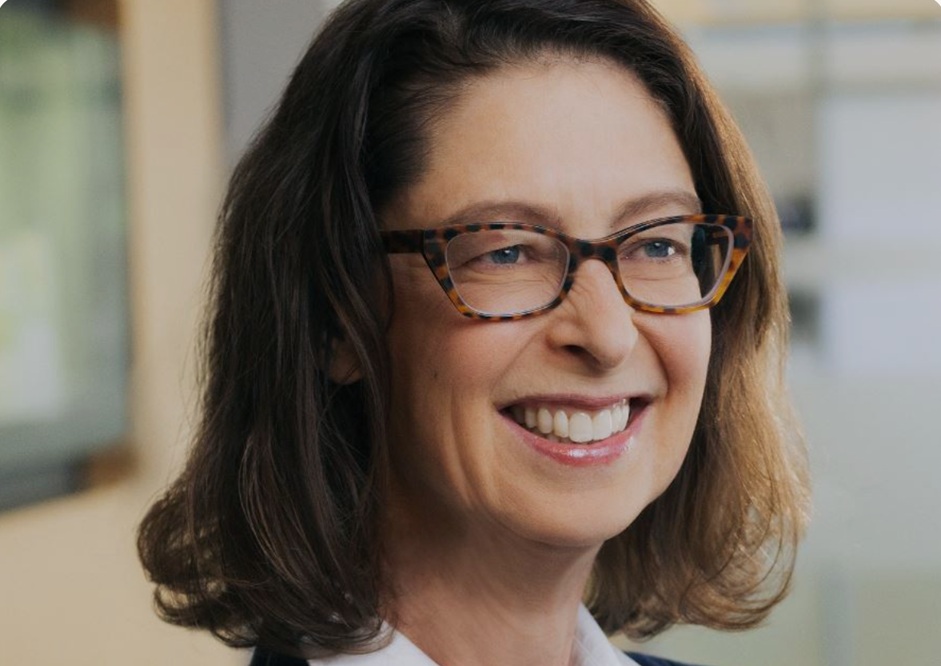
Abigail Johnson wants to keep her firm ahead of societal change — and, as Fidelity Chairman & CEO, is positioning the firm to do just that by prioritizing diversity. “By 2044, there will be no ethnic majority in the U.S., and women are surpassing their counterparts in levels of education and workforce participation,” she told us. “In addition, innovation is happening at a rapid pace, and companies need to be constantly innovating new ideas. I want Fidelity to tap into the power of our differences by looking for associates with diverse backgrounds and experiences and ensuring that our culture welcomes them and creates an environment where everyone thrives.” Read more of her ideas in “Fairness is a Powerful Profit Center, and It’s the Right Thing to Do.” (Published on Dec. 4, 2025)
Jasmine Jirele believes supporting your community is part of strengthening your business.
At the Dave Alexander Center for Social Capital, we focus on companies that put people first — and an important component is the community. As Jasmine Jirele, CEO of Allianz Life, sees it, being in sync with the local community is an essential part of success. To that end, her company has invested in Allianz Field, home of the Minnesota United Football Club. “By partnering with the soccer club and area nonprofit partners,” she says, “we work together to support the community around the stadium.” Read more in “Your Local Business Model Must Be in Sync with Your Local Community, Says Allianz CEO.” (Published on Nov. 20, 2025)
For Nicholas Svensson, CEO of SMART Technologies, business success is built on “connections that matter.” Responding to his employees’ feedback to “keep it real,” he’s built his approach to leadership around listening. “It’s not a simple process; it’s not hearing — it’s actually listening and processing and asking some probing questions.” For more on his approach to listening to find common ground, see “SMART Technologies Develops Solutions That Save Teachers Time and Help School Administrators Improve Their Outcomes.” (Published on Nov. 13, 2025)
“Serving builds excellence in people,” says Jason Lippert.
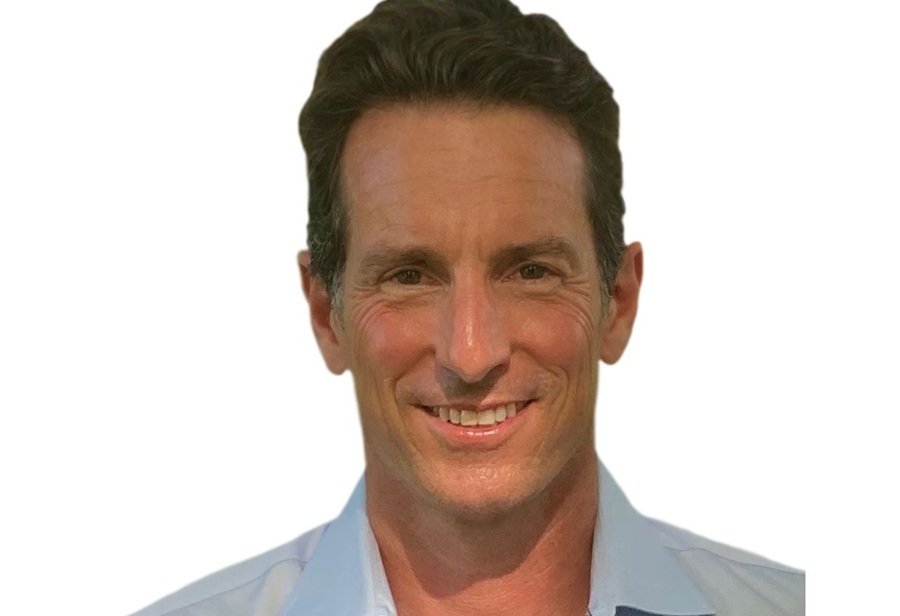
At Lippert Components, serving the community is seen as an essential part of being a team member. The company has set a goal of having everyone it employs serve in missions such as visiting nursing homes or building park benches. “Serving builds excellence in people,” says President and CEO Jason Lippert. There’s another benefit: The company’s values, culture and leadership create an environment that inspires people to look around over the long term. Learn how Lippert and his leadership team have put high performance front and center in “Cracking the Code of Business Excellence.” (Published on Nov. 6, 2025)
“When we do a good job for a member, we change their life”
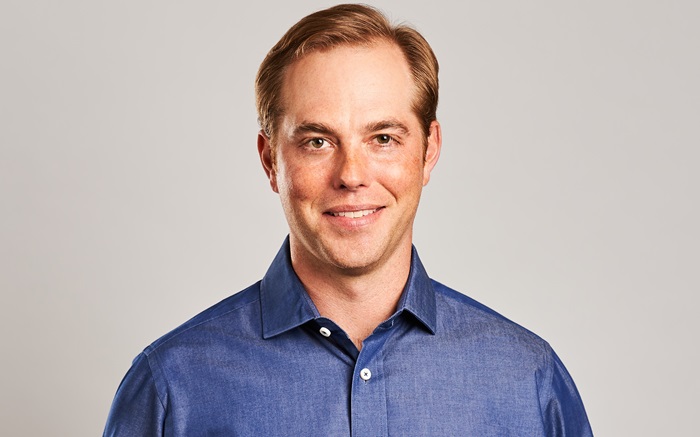
Many Americans don’t have access to the financial advice they need because they lack the assets to work with a traditional advisor. As a mission-oriented company, Facet aims to address that gap. “When we do a good job for a member, we change their life,” says Anders Jones, co-founder and CEO of Facet. One key to doing a good job is sharing financial metrics throughout the organization and setting strategic priorities that align to those metrics. Read more in “Cracking the Code of Business Excellence.” (Published on Oct. 30, 2025)
“The goal isn’t perfection today; it’s progress over time.”
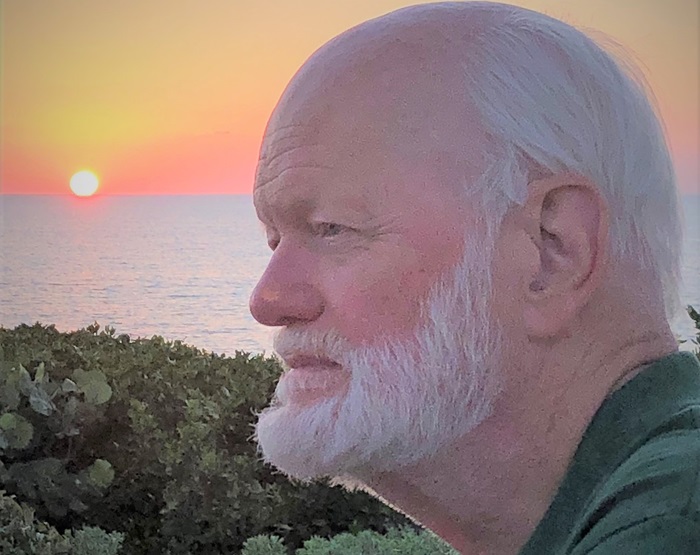
If pursuing excellence is a high priority for you, you may be at risk of perfectionism that actually derails you from reaching your biggest goals. Marshall Goldsmith argues that to advance in your career, it’s important to prioritize a shift in focus — “from doing your job perfectly to managing your career strategically,” he says in our feature “Cracking the New Code of Business Excellence.” He adds, “The goal isn’t perfection today; it’s progress over time.” If you’re looking to take your Social Capital leadership to new heights, you won’t want to miss this feature. (Published on Oct. 23, 2025)
From a Democratic Socialist who ‘disdained business’ to heading a public company — John Mackey’s candid interview

John Mackey became one of the country’s most iconic CEOs as founder of Whole Foods — a story he detailed in his book “The Whole Story: Adventures in Love, Life and Capitalism.” In “From Whole Foods to Love Life: A Conversation with John Mackey” (Part I), he shares how he got started. “I had absolutely no background in business whatsoever,” he recalls. “In fact, I disdained business when I was in my early 20s. I thought of myself, in my college days, as a democratic socialist, and that business was greedy and selfish. I couldn’t imagine myself doing business.” Despite those early beliefs, he found himself the head of a publicly traded company at Whole Foods and is now working on a new business, Love.Life Holistic Health. Don’t miss this candid interview. (Published on Oct. 16, 2025)
How Kirk Reynolds makes the magic happen
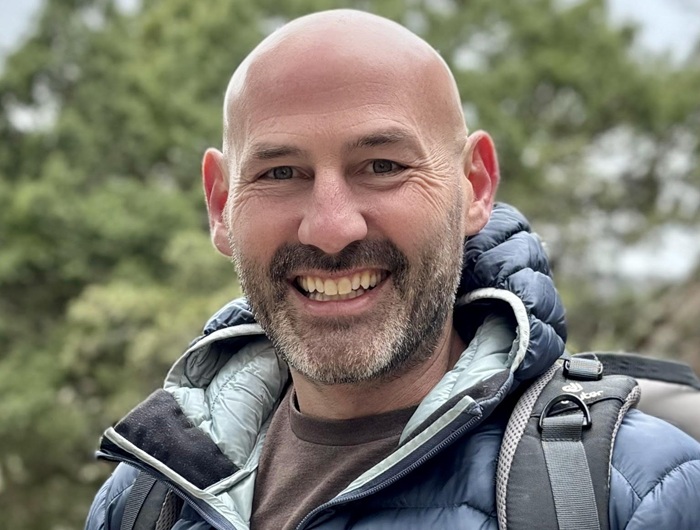
Kirk Reynolds is a big believer in “letting nature do the magic.” He’s the founder of Wilder Retreats, where he brings together businesspeople in nature-based settings with the goal of creating epiphanies. “There’s science behind what happens to our physiology, to our spirit, to our mental health when we’re just looking at a tree for 10 minutes,” he says. It’s not just a feel-good phenomenon. Beyond the breakthroughs that take place between colleagues, there’s a real ROI in productivity. He offers a look at how the magic happens in “Life-Changing Corporate Retreats Are More Than Renewal – Kirk Reynolds Creates Nature-Fueled Evolution.” (Published on Oct. 9, 2025)
Learn about Wonderful Career Pathways from The Wonderful Company

The Wonderful Company, the family of brands that includes Pom Wonderful, Fiji Water and Teleflora, is committed to ending the cycle of poverty through an innovative approach to education. Through Wonderful Career Pathways, the company empowers students to start college with 60 credits and a two-year head start on classes, or to graduate from high school and step directly into higher-paying jobs in healthcare, education and agriculture. Read more of co-owner Lynda Resnick’s perspective in “Business Can Be the Ultimate American Community Organizer.” (Published on Oct. 2, 2025)
Revealed: The surprise ingredients of a skincare brand!
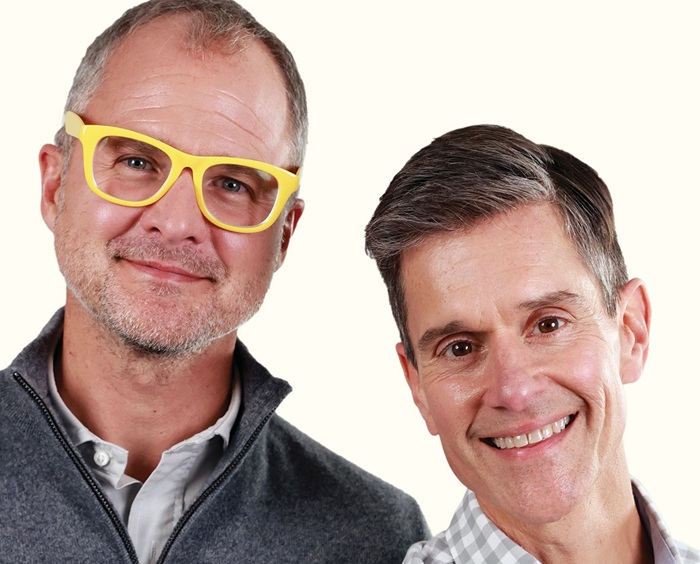
Dr. Brent Ridge and Josh Kilmer-Purcell weren’t planning to start a business when they co-founded Beekman 1802. But after losing their jobs in the 2008 recession, circumstances aligned, and they soon found themselves running what was to become a thriving goat-milk skincare brand. They’ve built kindness and authenticity into their business model from the start and held onto those values as it has scaled. They shared their story with Chris Benguhe, founder and president of the Dave Alexander Center for Social Capital and publisher of the Social Capital Insider in their video interview “Kindness Is the Key Ingredient in Soap Maker BEEKMAN 1802’s Business Model.” (Published on Sept. 25, 2025)
When doing the right thing is also good business
“If you’re just looking at dollars and cents and not thinking about the people who are involved with that, you’re doing yourself and your business a bit of a disservice,” says Vince Barsolo, CEO of Televerde, the sales and marketing firm. Televerde acts on this belief, training incarcerated women for careers in sales and marketing. It’s not just the right thing to do — it’s good business, he points out in “A CEO Who Offers Women A Route from Incarceration to Hope and Prosperity.” “We’re a for-profit business. Absolutely. We compete to win,” he says. Click on the link above to watch Founder and President Chris Benguhe’s video interview with him. (Published on Sept. 18, 2025)
AI is powerful but cannot replace the human touch, says Fred Hassan
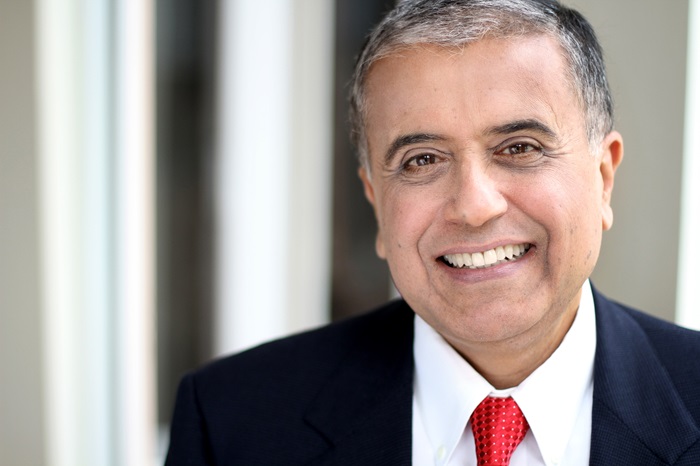
It’s hard for a business that is only about efficiency to inspire the passionate following that our most beloved companies enjoy — and that’s especially true in an age of artificial intelligence. As Fred Hassan, a director at Warburg Pincus and former chairman and CEO of Schering Plough, puts it, “AI may be powerful, but it is impersonal. Leadership, culture and sustained performance still depend on human connection, trust and inspiration.” He shares his ideas, and insights into why private equity firms are investing in “empathy upskilling” in our feature “Empathy at Work Is Broken: Employees Are Hurting – and Losing Faith In Leadership.” (Published on Sept. 11, 2025)
Read more about Don Larson’s comprehensively people-centric “Sunshine Approach”
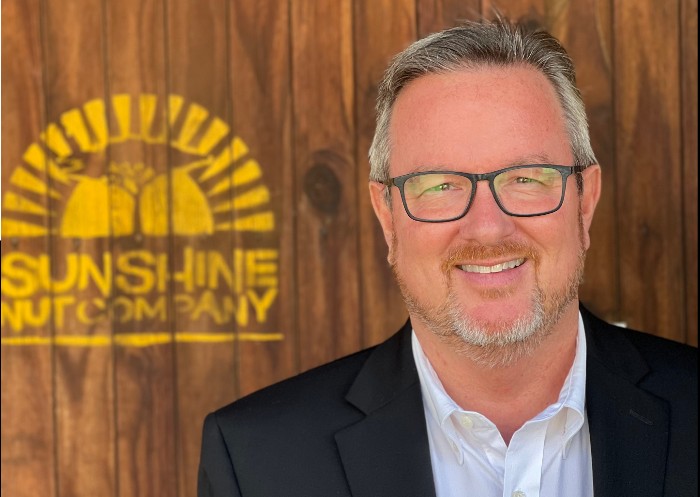
Don Larson’s goal in starting Sunshine Nut Company was to lift subsistence farmers in Mozambique out of poverty. Many were stuck in survival mode — but Larson, a former Hershey executive, saw a brighter future for them. He created the “Sunshine Approach” built on transformational employment, local agricultural uplift and reinvestment into communities — a business model designed to restore dignity and rebuild communities. Read more in “Can a Cashew Company Save a Nation?” by Don Larson. (Published on Sept. 4, 2025)
Duncan Angove sees empathy as a powerful key to leadership and innovation
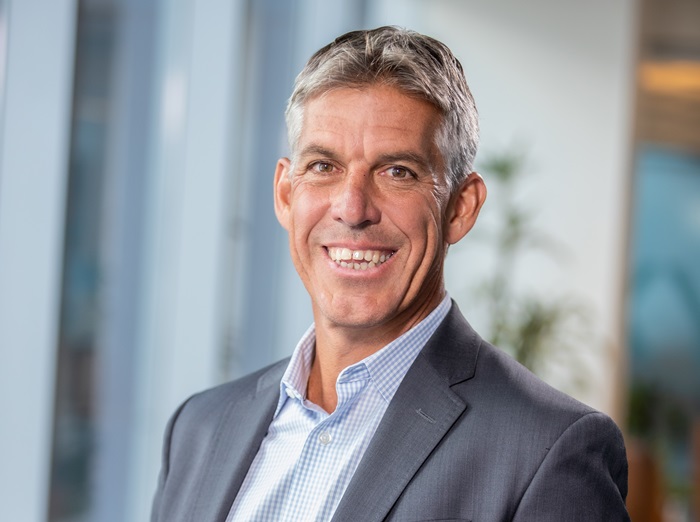
Duncan Angove, CEO of Blue Yonder, describes empathy as the ability to deeply understand and resonate with the emotions and experiences of others. “It goes beyond mere sympathy; it involves actively stepping into someone else’s shoes and seeing the world from their perspective,” he writes in “Empathy at Work Is Broken: Employees Are Hurting – and Losing Faith in Leadership.” Angove sees empathy as a powerful key to leadership and innovation. “When we have empathy, we create space for mistakes, which, in turn, more greatly encourages associates to take risks and try new and innovative ways to solve challenges,” he writes. Read more here. (Published on August 28, 2025)
Empathy isn’t some soft, immeasurable trait leaders can afford to overlook, says Garry Ridge
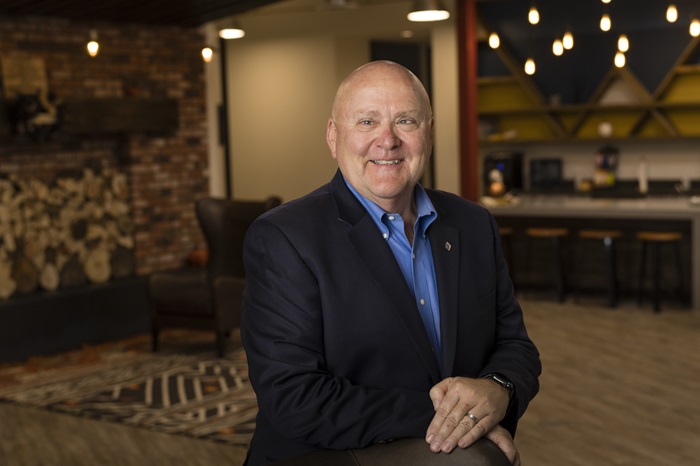
Many workers feel their employers don’t care how they are. And often, they have a good reason for feeling that way, given the worker-unfriendly policies that have taken hold in some industries. Social Capital leaders are going in the opposite direction, embracing principles like empathy. As Garry Ridge, former CEO of WD-40 puts it, “Contrary to popular belief, empathy isn’t some soft, immeasurable trait leaders can afford to overlook. It’s foundational. Without it, you can’t create a sense of belonging. You won’t earn your people’s trust. And you certainly can’t expect people to bring their best if they don’t feel safe or valued.” Read more in “Empathy at Work Is Broken: Employees Are Hurting – and Losing Faith in Leadership.” (Published on August 21, 2025)
Why Ginni Rometty would “rather hear about others”
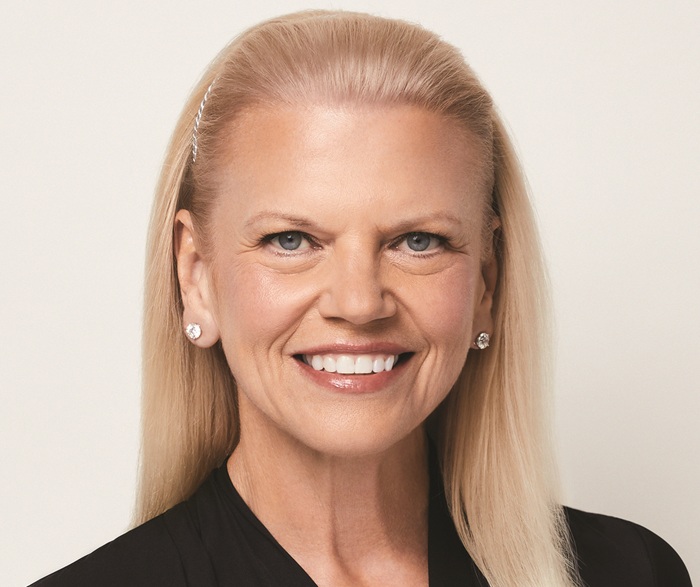
For Ginni Rometty, former chairman and CEO of IBM, listening with the intent to learn has been a powerful strategy. “I’m genuinely curious about people and never particularly liked talking about myself,” she said in her recent book, Good Power. “I’d much rather hear about others. With clients, I became strategically curious, listening for insights and information that I could use to help them. I also listened for points of connection; having something or someone in common helped us relate and establish an authentic bond.” Ultimately, that led to better decision-making, she found. Read more in “The Ultimate Business Productivity Hack: Listening.” (Published on August 14, 2025)
Barry-Wehmiller’s bold step to show employees that “they matter”
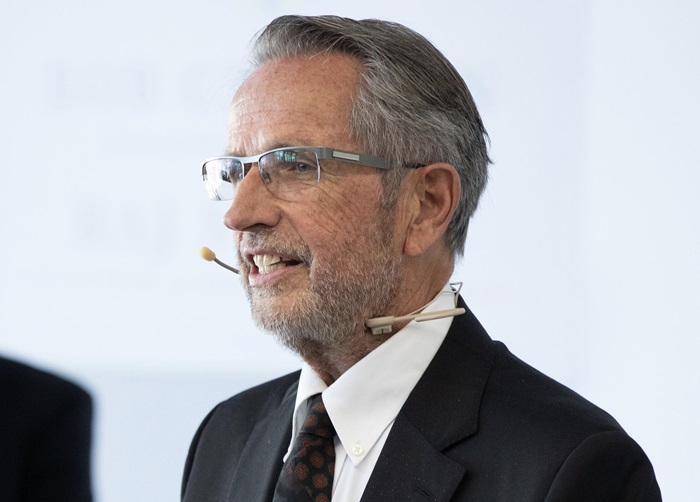
The old way of thinking was that leadership meant telling people what to do. Now it’s about tuning in to what members of your team have to share, so your organization can benefit from everyone’s best ideas and the power of connection. “It shows empathy, it shows that you care and, most importantly, it shows the person you are listening to that they matter,” says Bob Chapman, CEO and chairman at Barry-Wehmiller Companies. Barry-Wehmiller has even taken the bold steps of hosting Listening Sessions, where team members are asked to share what they feel about the organization’s guiding principles. Read more about this energetic approach in “The Ultimate Business Productivity Hack: Listening.” (Published on August 7, 2025)
Keith Wakeman’s SuperBetter app will help your employees make technology work for them
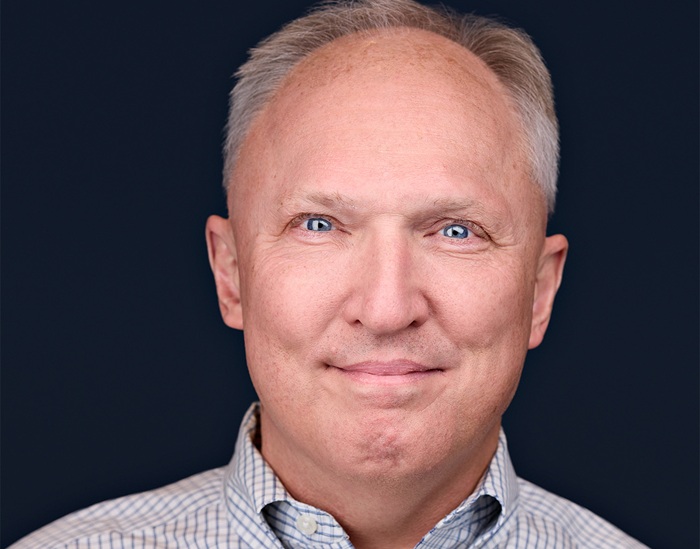
The human brain is under attack, as Keith Wakeman, founder and CEO of SuperBetter, a game-based app that supports mental health and resilience, puts it. “Advances in digital technologies have made it relatively easy for others to exploit its vulnerabilities for their own benefit,” he says. “As a result, employees feel increasingly unsettled and struggle with stress, poor mental health, cognitive overload, difficult emotions and social disconnection.” If you’re a Social Capital CEO interested in helping your employees make technology work for them, you’ll find Wakeman’s insights on the SuperBetter app interesting and insightful. Check out “The Well-Being Wakeup Call: Work Burnout Is at DEFCON One.” (Published on July 31, 2025)
Richard Moore went straight to the source — and got surprising results!
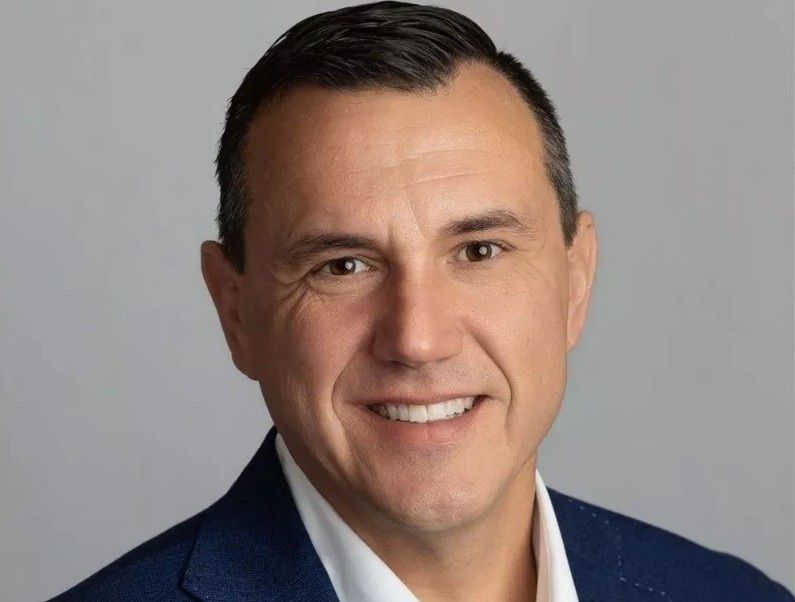
Many employees are coming to work exhausted, their well-being depleted by the many stresses of modern life. To make sure his company practices what it preaches, Richard Moore, president and CEO of The Good Feet Store, a provider of arch supports and accessories, went straight to the source — his employees — when looking to upgrade his company’s wellness benefits. Read about the surprising results in “The Well-Being Wakeup Call: Work Burnout Is at DEFCON One.”
When floods hit Texas, Kendra Scott showed itself as a business that understands its true role in society
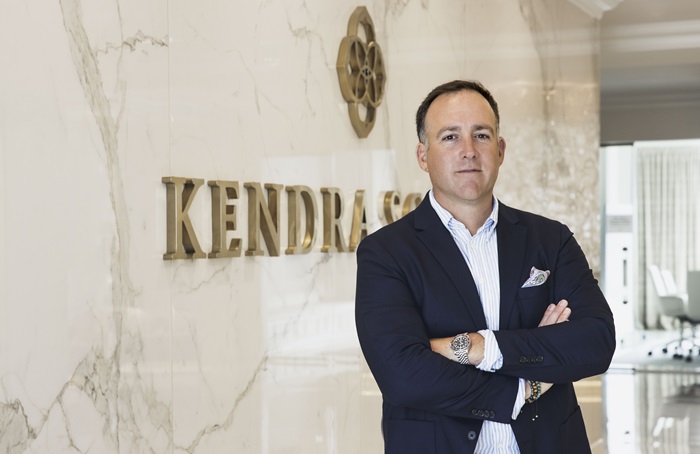
When tragic flooding left the nation mourning the loss of 119 people, including 36 children, and rescuers looking for 173 people still missing, accessories company Kendra Scott sprang into action under the leadership of CEO Tom Nolan. The Kendra Scott Foundation, a powerful example of Social Capital in action, made a direct donation of $500,000 to the Kerr County Flood Relief Fund, is donating 100% of sales of its Evelyne bracelets to families and the long-term recovery process and has designated its stores in Texas as drop-off centers for donations. It’s all about purpose-driven leadership, community caring and a business that understands its true role in society. Read more in our Substack post. (Published on July 17, 2025)
Robert Glazer shows the power in being willing to admit your mistake and changing course
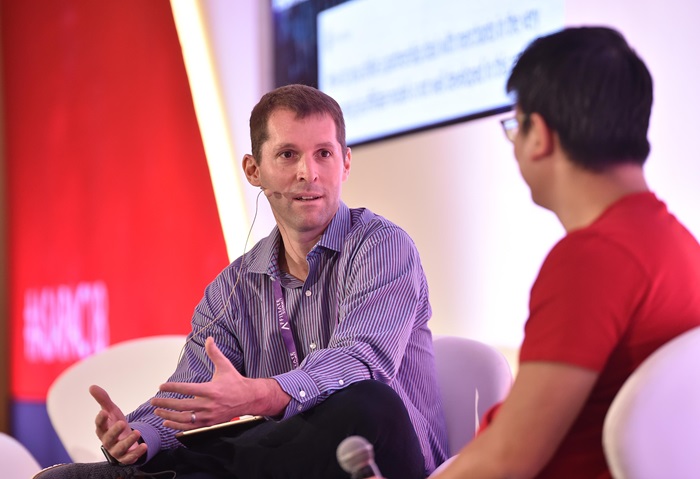
Many Social Capital leaders feel immense pressure to make the right judgment calls, but no one is right 100% of the time. In “Staying Open to Changing Your Mind: The Antidote to Decision Fatigue,” Robert Glazer, founder and chairman of Acceleration Partners, explains how understanding the difference between reversible and irreversible decisions can set you free. As he demonstrates, there’s power in being willing to admit you made a mistake and changing course. (Published on July 10, 2025)
Richard Moore went straight to the source — and got surprising results!

Many employees are coming to work exhausted, their well-being depleted by the many stresses of modern life. To make sure his company practices what it preaches, Richard Moore, president and CEO of The Good Feet Store, a provider of arch supports and accessories, went straight to the source — his employees — when looking to upgrade his company’s wellness benefits. Read about the surprising results in “The Well-Being Wake-Up Call: Work Burnout Is at DEFCON ONE!.” (Published on July 03, 2025)
For KKR’s Pete Stavros, this quest is personal
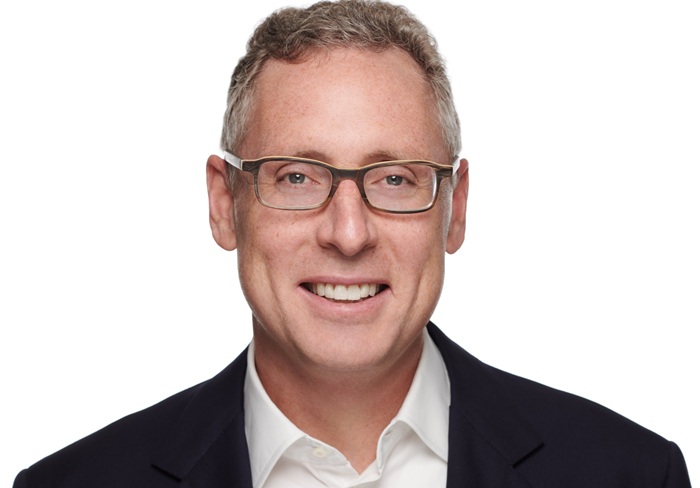
Karl Marx wrote extensively about how the capitalist system exploits individual workers in favor of those who own the means of production. But what if workers themselves receive an ownership stake? Pete Stavros, co-head of private equity firm KKR, has promoted that idea through his work in founding the nonprofit Ownership Works, which promotes employee ownership as a means of wealth building. While some observers might be skeptical that KKR, a pioneer in leveraged buyouts, would become a leading advocate of this approach, Stavros shares that his quest is personal. “My dad was an hourly construction worker,” he said in an interview with Chris Benguhe, founder and president of the Dave Alexander Center for Social Capital. “He was a road grader, so he paved roads for a living, earned an hourly wage with a union shop in Chicago, did that for 40 years. And my dad always brought work home to the dinner table. So, we talked a lot about what it was like to be an hourly worker — hard to build wealth, earning … whatever … 15 bucks an hour.” Learn how he brings that experience to his current work empowering the working class in “Can Capitalism Build Wealth for Workers, Too? Pete Stavros says, ‘Yes.’” (Published on June 26, 2025)
Read about what Charlie Malouf invested in when money was tight at his company
“Love is acting in the long-term best interests of another.” That’s part of the Broad River Retail way of doing business, as Charlie Malouf, president and CEO of the Ashley Furniture purveyor, explained to Chris Benguhe, founder of the Dave Alexander Center for Social Capital. A true long-term thinker, Malouf led the company out of a near-bankruptcy experience in 2015, taking the counterintuitive approach of investing more in the company’s people when money was tight. Steps like creating clear career paths, incentives and elevated titles paid off. If your Social Capital company is facing financial constraints right now, you won’t want to miss “Charlie Malouf Saved His Company by Creating Clear Career Paths and Incentives for His Team.” (Published on June 19, 2025)
How, and why, Garry Ridge went all-in when he joined WD-40 Company
It’s not possible to run a successful Social Capital company without being 100% committed. That’s why Garry Ridge went all-in when he joined WD-40 Company, maker of the lubricant many Americans have in their garages, with the goal of turning it into a fully global brand.
“You may have heard the story about the man who made progress on his epic life’s journey by ‘throwing his hat over the wall,’” he recounts in his new book with co-author Martha Finney, Any Dumb-Ass Can Do It. “By throwing his hat over every wall he encountered that threatened to block his progress, he had no choice but to scale that wall to retrieve it. And then carry on.” In that spirit, Ridge sold his house in Australia, moved to San Diego and soon rose to CEO, learning to tap into the will of the company’s people to achieve the company’s global vision. Read more in “Your Employees Are Living and Breathing the Magic Formula for Your Company’s Success. Are You Paying Attention?” (Published on June 12, 2025)
Stephan Jacob allows his beliefs to inform how he runs the company
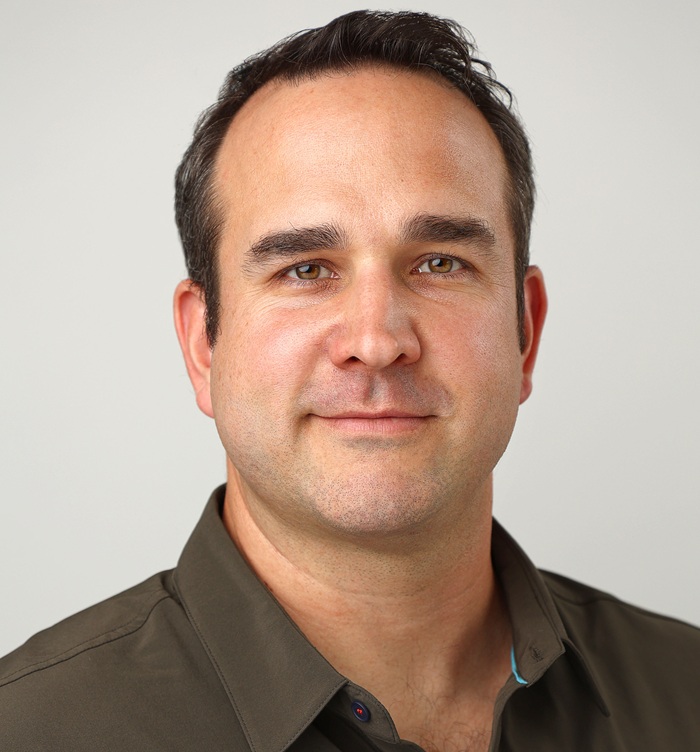
“The notion that ‘you can’t talk about religion at work’ never resonated with me,” says Stephan Jacob, co-founder and chief global officer of outdoor-gear brand Cotopaxi. He’s an elder at a Presbyterian church where, he says, the guiding principle is “No matter where you are in your journey of faith, you are welcome here.” Rather than separate his life into boxes, he allows his beliefs to inform how he runs the company. One case in point: Cotopaxi’s Life Hikes, held every two weeks. “One Cotopaxi team member gets ‘on stage’ to share their life story, however they deem fit,” he says. “Everybody else just listens. I can’t tell you how proud and grateful I am for the candor with which our team has shared their life experiences, struggles, faith and all, and the wonderful, judgment-free reception and outpouring of love by fellow team members in the audience!” Read more in “Who’s Keeping the Faith at Work? A Whole Lot of Business Leaders!” (Published on June 4, 2025)
Brandon West’s six dimensions of wellness
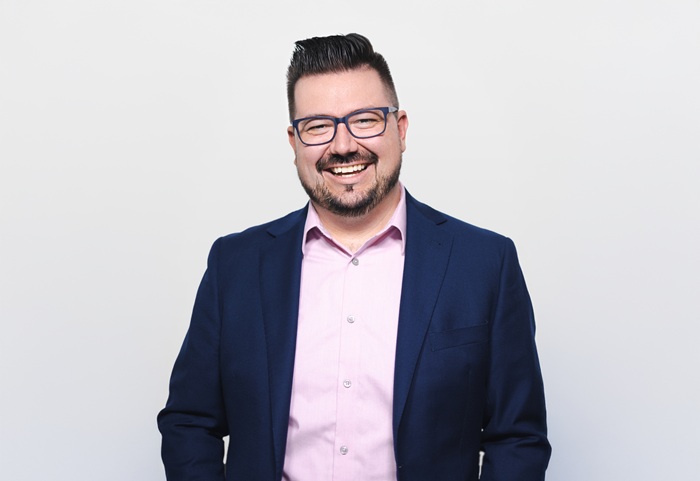
Founder Brandon West’s agenda is to build his marketing company around the concepts of trust and well-being. He’s off to a running start at PHOS, where he also lists himself as chief purpose officer. The agency has identified six dimensions of wellness: financial, intellectual, physical, spiritual, emotional and relational. It’s fitting for a Social Capital company that helps raise awareness of issues such as human trafficking. Read more at “PHOS Creative’s Mission is to Fight Poverty and Trafficking While Building Brands.” (Published on May 29, 2025)
Learn how Accenture is keeping the faith at work
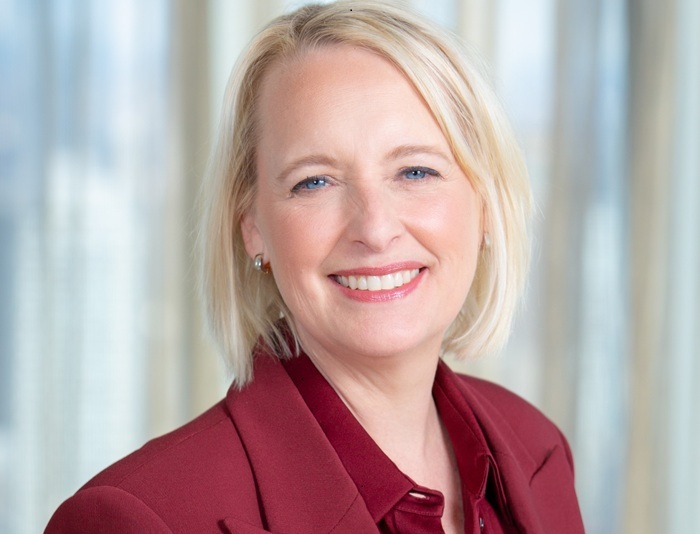
It used to be that religion and politics were verboten in the office. That’s changed, and more employers are encouraging employees to be open about their religious identity as part of building an inclusive workplace. Accenture is one example. Under the leadership of Julie Sweet, CEO, this exemplar of Social Capital values facilitates interfaith dialogue through the Interfaith Resource Group, faith-based events and celebrations, religious accommodations and an active commitment to diversity and inclusion. Read more at “Who’s Keeping the Faith at Work? A Whole Lot of Business Leaders!” (Published on May 22, 2025)
At Kendra Scott, every employee is a “CEO of their location.”
At accessories maker Kendra Scott, every employee is a “CEO of their location.” Tom Nolan, CEO of the company, gives them the autonomy to customize experiences that resonate with their local communities. That ensures employees feel heard, and the company benefits from the experience of everyone on their team. “Whether in our retail stores or at headquarters, we encourage employees to take smart risks, learn from challenges and continuously grow in their roles,” he says. Learn more about Kendra Scott and other Social Capital companies that are prioritizing the empowerment of employees in “Why Empowering Others In Business Has Never Been More Important.” (Published on May 15, 2025)
Read about Delta and other Social Capital companies that are prioritizing the empowerment of employees
(Casey Sykes/ Rank Studios)
Empowering employees starts with listening to them. That is baked into the culture of Delta Air Lines, where CEO Ed Bastian and his leadership team are constantly seeking feedback from employees. One of Bastian’s favorite events is VELVET, an annual event where frontline people around the world are able to connect with colleagues and leaders in the company. The company also actively seeks feedback through its annual Employee Engagement Survey. Read about Delta and other Social Capital companies that are prioritizing the empowerment of employees in “Why Empowering Others In Business Has Never Been More Important.” (Published on May 8, 2025)
It’s all about relationship building, says Bob Glazer
In a world where empathy is often in short supply, Social Capital leaders have an opportunity to stand out by embracing it. Bob Glazer, founder of Acceleration Partners, offers many ideas on how to do that in “Empathy in the Workplace Isn’t About Being a Pushover, According to Bob Glazer.” It’s all about relationship building, as he sees it. “You need the performance and the objectives, but you also need the relationships,” he says. “Those allow you to have nuanced conversations.” (Published on May 1, 2025)
Debbie Kovesdy aims to create a company where she would love to work
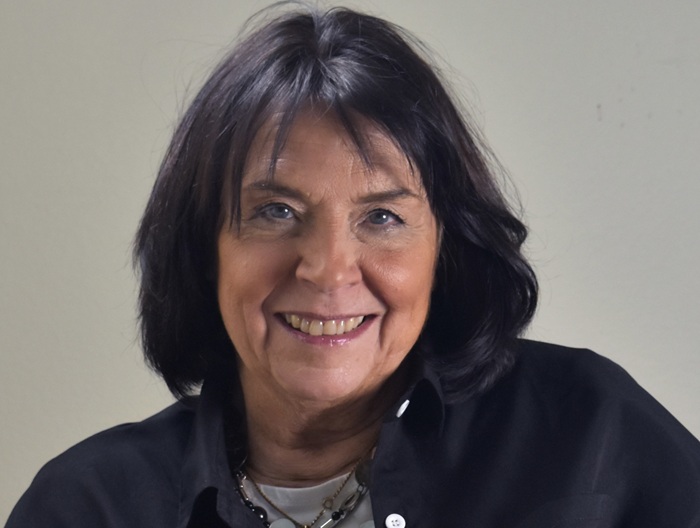
At GenTech, founder and CEO Debbie Kovesdy aims to create a company where she would love to work. That includes welcoming employees with all family structures and considering their personal needs. Many of her employees socialize outside of company time and attend large company gatherings with enthusiasm and pride. GenTech also invites employees’ children to its KidsTech programs on a complimentary basis to ease the burden of childcare and provide a valuable learning experience. Says Kovesdy, “GenTech has always prioritized family values within our company culture.” Read more of her ideas in “Five CEOs Who Respect Family at Work Explain Why.” (Published on April 24, 2025)
‘It was not us helping the community; it was going to be more of a collaboration.’
Antonio Nuno’s goal is to be the bridge to help people out of poverty through their own talents. His business, Someone Somewhere, is a retail brand that works with artisans in remote villages in Latin America, helping them sell their unique wares. He and his two co-founding best friends realized “it was not us helping the community; it was going to be more of a collaboration.” They’ve scaled up. Read more, and watch his interview with Chris Benguhe, founder of the Dave Alexander Center for Social Capital, at “Visionary Entrepreneur Unlocks Global Market for Artisans in Remote Villages.” (Published on April 17, 2025)
It’s the follow-through that counts
Many leaders think once they’ve shared their vision, their work is done. But as Marshall Goldsmith puts it in “Authentic Leadership: Beyond Checking the Box,” it’s the follow-through that counts. “Authenticity in leadership isn’t about making statements — it’s about ensuring those statements translate into real actions and lasting change,” he writes. Ultimately, it’s not just about sending the memo — it’s about making sure the recipients have read and understood it, he explains. If you are looking for better ways to execute your company’s vision, this piece is chock full of actionable ideas. (Published on April 10, 2025)
Amy Lemire on establishing trust through empathy and vulnerability
Amy Lemire survived a serious childhood accident that forced her to undergo a series of reconstructive cosmetic surgeries. Years later, she’s a sought-after sales trainer and consultant. At Aim Training & Consulting, she taps into what she learned through those experiences, helping leaders “be more, make more and sell with more confidence and momentum.” Establishing trust through empathy and vulnerability is a big part of this. So is mentorship. To learn more about her approach to Social Capital leadership, read “Amy Lemire Brings a Survivor’s Spirit to Her Work Inspiring Leaders and Teams.” (Published on April 3, 2025)
Allianz Life Insurance goes the extra mile to support employees’ families
Families are the heart of society. Many Social Capital companies realize that and are making it clear they understand this through family-friendly policies. Sometimes, it’s the practical support that matters most. At Allianz Life Insurance, for instance, benefits are carefully tailored to the needs of employees and their families. There is an onsite health clinic for all benefits-eligible employees and their dependents. “It is incredibly convenient for everyone, especially for parents who have sick little ones and want to avoid urgent care or the emergency room,” notes Jasmine Jirele, president and CEO. That’s Social Capital in action. Read more in “Five CEOs Who Respect Families at Work Explain Why.” (Published on March 27, 2025)
‘Engaging with others as equals changes the tenor of every business interaction’
Working in remote villages in Mozambique, Don Larson, founder and CEO of Sunshine Nut Company, has found one thing is universal around the world: “No matter where people live or how much they have, they want to be treated with dignity, honesty and fairness,” he says. “Authenticity isn’t just about words — it’s about showing up with genuine intent and consistency in how we engage with others.” Engaging with others as equals changes the tenor of every business interaction, according to Larson, who explains, “[T]heir entire demeanor shifts — barriers dissolve and real collaboration begins.” Read his perspective in “Authenticity Rules: Business Leaders’ Tips on How to Be Real – and Why.”(Published on March 20, 2025)
‘In the world of hourly hiring, people hire people, not algorithms’
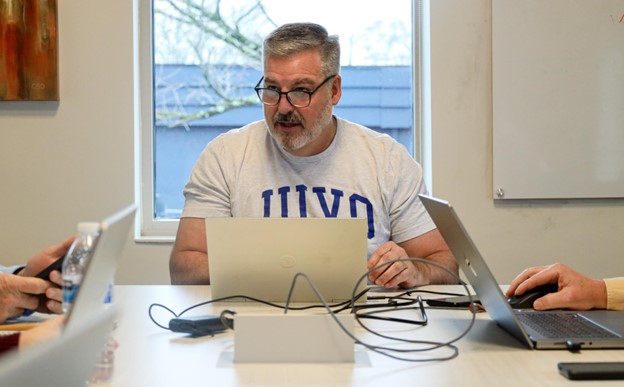
Inspired by his children’s experiences working in hourly, entry-level jobs, Mark Emery launched Juvo Jobs, an Atlanta startup that helps workers find employment in their community and fosters local hiring. “[I]n the world of hourly hiring, people hire people, not algorithms,” says Emery. “Many of the best hires come from moments of genuine connection, where candidates have the chance to show their personality and skills. Particularly for hourly positions, attitude and reliability are often as important as experience.” He shares powerful takeaways in “Here’s What I Learned From My Children’s Experiences as Hourly Workers — and Why They Inspired Me to Start My Business.” (Published on March 13, 2025)
Learn how Authenticity informs the portfolio of Southeast Acquisition Capital
“Authenticity isn’t a policy you draft; it’s the architecture of a business, built layer by layer through decisions, actions and culture,” says Michael Brady, founder of Organic Food Incubator and operating partner at Southeast Acquisition Capital. “While new initiatives can signal intent, authenticity gains its strength from consistency over time — from the daily behaviors that become the heartbeat of an organization.” That perspective informs the portfolio of Southeast Acquisition Capital, made up of employee-owned businesses. To find out more, check out “Authenticity Rules: Business Leaders’ Tips on How to Be Real – and Why.” (Published on March 6, 2025)
The 12 + 1 words that Dave Alexander uses to define authenticity
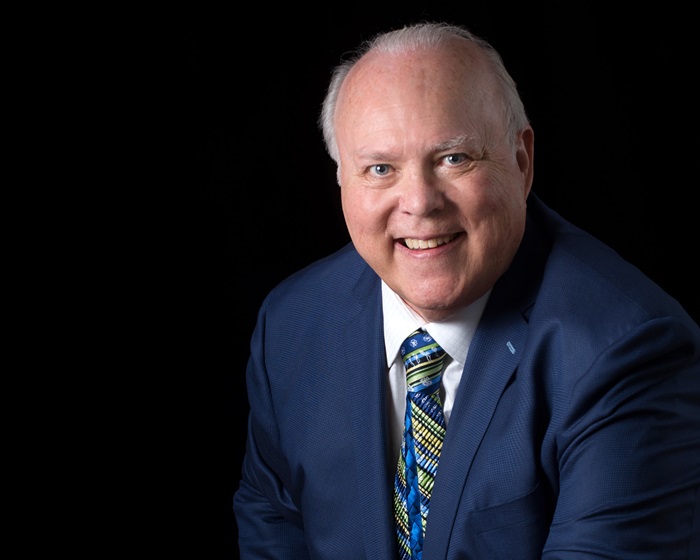
Dave Alexander, founder and managing member of Caljet of America, defines authenticity by the 12 words of the Scout Law: Trustworthy, Loyal, Helpful, Friendly, Courteous, Kind, Obedient, Cheerful, Brave, Clean, Thrifty and Reverent. Since he became an Eagle Scout, he has added one more word: Communication — “to help teach the Law to others and make the world a better place,” explains Alexander. “If you are authentic, people you interact with will know who you are, and all in your circle of acquaintances will have a better life!!!” Read more in “Authenticity Rules: Business Leaders’ Tips on How to Be Real – and Why.” (Published on February 27, 2025)
Jill Koziol: Leading with empathy creates an environment where everyone feels seen, heard and valued
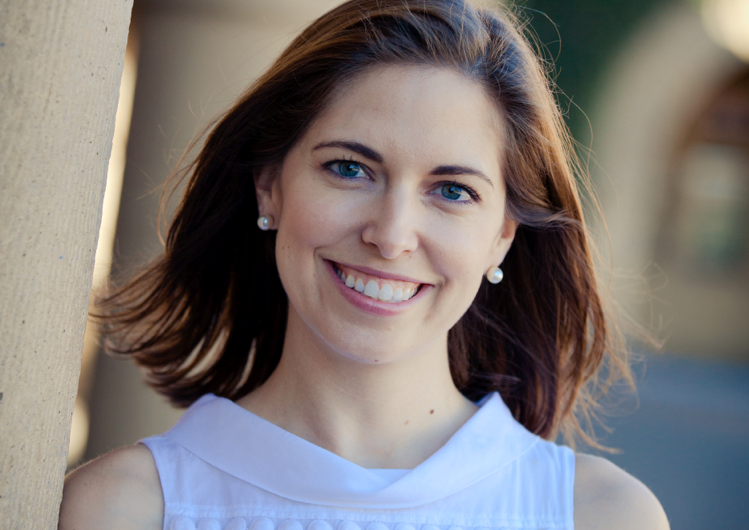
As Jill Koziol puts it, “Empathy is the ability to deeply understand and share the feelings of another.” Koziol, co-founder, board director and former CEO of Motherly, embraces empathy not just as a leadership skill but as an “ethos,” as she shares in “The Empathy Emergency: Successful Business Leaders Need It Now More Than Ever.” Leading with empathy creates an environment where everyone feels, seen, heard and valued, as she goes on to explain. If you’re looking to deepen your own empathy, you won’t want to miss this piece. (Published on February 20, 2025)
CEO Ed Bastian has a lovely Valentine’s Day gift for Delta employees
(Casey Sykes/ Rank Studios)
Delta Airlines has been on the front lines of prioritizing its employees’ financial wellness. The latest example: Delta employees will receive an average of five weeks’ pay in profit sharing. The bonuses will come on Valentine’s Day, and what’s not to love if you’re a Social Capital leader looking for best-practices to emulate. Read more of Delta CEO Ed Bastian’s ideas in “Five CEOs Who Empower Others — And How!” (Published on February 13, 2025)
Rachel Romer is working with the nation’s largest employers to help build the middle-class life
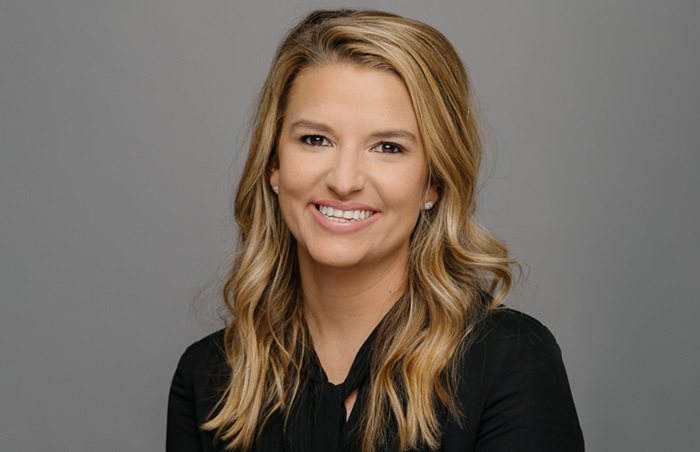
Rachel Romer has devoted her life to breaking the cycle of poverty. Seeing in childhood that the No. 1 predictor of building a middle-class life was access to school without suffocating debt, she has devoted herself to making that possible at Guild, which works with the largest employers in the country to help them offer education and upskill their workforce. She’s teamed up with employers such as Disney, Chipotle, Lowe’s and Walmart. Check out “Helping Employees Break the Paper Ceiling Turned Into a Billion-Dollar Idea” for more of Romer’s inspiring story.
What business leaders can learn from Julie Sweet’s approach to lifelong learning
It’s never been more important for leaders and their teams to double-down on lifelong learning. Julie Sweet, chair and CEO at Accenture, has made this vastly easier for her team. As Anthony Capuano, president and CEO of Marriott International, noted in nominating her for our “Top People-Centric Business Leaders” list, “Under her leadership, Accenture invested over $840 million in learning and professional development in just one year, expanded parental leave policies, and championed diversity and inclusion initiatives. She has focused on responsible business practices, including sustainability and digital ethics, and significantly contributed to the Bridges from School to Work program by serving on its board of trustees, where she advocates for programs that support young people with disabilities in their transition from school to the workforce.” Her approach offers many valuable ideas for Social Capital leaders. Read about it in Top People-Centric Business Leaders Pick the Best Leaders of 2024! (Published on January 30, 2025)
Why Anthony Capuano thinks helping displaced people restart their lives is good for business
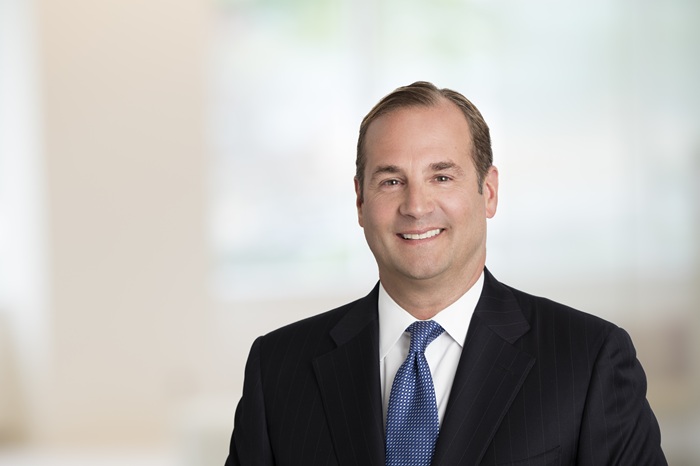
There are 120 million displaced people worldwide. Anthony Capuano, president and CEO of Marriott International, and David Miliband, president and CEO of International Rescue Committee, are helping them restart their lives. They are urging business leaders to work with local refugee resettlement agencies to share job openings, creating an important first step. As they note, “When the private sector recognizes and celebrates the contributions of newcomers to communities and businesses, it’s both good for business and helps to create a more welcoming world for all.” Learn more about their work together in “Business is the Ultimate Community Organizer.” (Published on January 23, 2025)
Sunshine Nuts founder is leveraging Hershey learnings to help subsistence farmers
Bringing what he learned as a Hershey executive to his role as CEO and founder of Sunshine Nuts, Don Larson has created life-changing opportunities for subsistence farmers in Mozambique by establishing community farms that give smallholders land ownership for the first time. “In each village we’re in, we’ve got the nursery, the farm and the factory, but then we had a transformation center, a subsidized store, and Sunshine homes where we take care of vulnerable women matched up with orphan children,” Don says. “So, it’s a very complex system, but it’s a complete system that allows us to raise the standard of living quite substantially.” To learn more about how he’s helping these farmers find a way out of abject poverty, read “Don Larson’s Holistic Business Model Is Transforming Lives in Africa.”
Payam Zamani tries to infuse every deal with “spiritual capitalism”
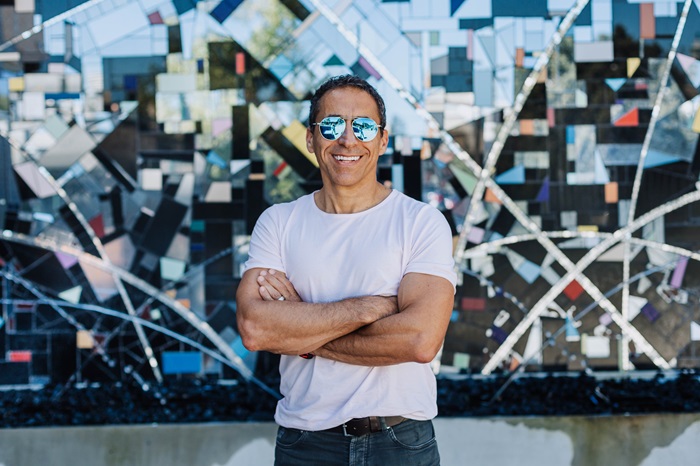 Business isn’t just business for Payam Zamani, CEO of private equity group One Planet Group. He tries to infuse every deal with “spiritual capitalism.” “I’m going to be very clear that I’m not a socialist, I’m not a communist,” says Zamani. “I want to build very successful businesses, but I want these businesses to be created with a profit in mind but with no loss to humanity. So, it can only help humanity.”
His focus on giving back — shaped by his youth, when he was smuggled out of Iran as a teenager because of religious persecution — includes what he calls “sacrificial giving.” Read about it in “From Adversity to Achievement, Payam Zamani has Created an Oasis of Success for Others.” (Published on January 9, 2025)
Read about how Don Larson is helping exploited farmers in Africa
Don Larson, a former Hershey executive, has helped to bring the Hershey business model to a location far from Hershey, Penn. — Mozambique. As founder and CEO of Sunshine Nut Company, he is addressing exploitation in the cash-farming industry through the establishment of community-owned farms and a vertically integrated supply chain. The result has been an operation that raises the bar on subsistence farming while creating premium products. Read his story in “Don Larson’s Holistic Business Model Is Transforming Lives in Africa.” (Published on December 19, 2024)
Bob Glazer shares insight into how Social Capital leaders can incentivize great employees to stay
Few conversations inspire more dread in either employees or leaders than when an employee says, “I quit.” In “Saying ‘Buh-bye’ to Two Weeks’ Notice: Rethinking the Dreaded Employee Exit,” Bob Glazer, founder and board chairman of Acceleration Partners, offers an alternative: creating an emotionally safe workplace where employees feel free to openly discuss their concerns before they reach the point of quitting. As Glazer — who served 15 years as CEO — puts it, “Employees who don’t feel they can be honest may keep their true feelings to themselves, even to the point of lying outright, right up to the day they quit. It’s understandable. Behavior follows incentives, and in this case, the employee has an obvious incentive to keep quiet and hold on to their job until they have a new one.” He offers valuable insight into how Social Capital leaders can incentivize great employees to stay. (Published on December 12, 2024)
‘I’ve always felt like walking away would be selfish’

Brian Scudamore, founder of 1-800-GOT-JUNK?, embodies the entrepreneurial spirit — but knows that even founders get tired sometimes. For him, however, despite the challenges of building that startup into an ever-expanding empire, he’s not keen on the idea of exiting. In “Why Exit When Running Your Company Is So Much Fun?” he explains the reason. “For me, I’ve always felt like walking away would be selfish,” he writes. “I’ve got a bigger purpose. A grander plan. And on many occasions along the way, I’ve been offered large amounts of cash — so I was tested on this belief (I turned down an early-day $100 million offer!). I think it comes down to understanding what my purpose is and what makes me happy.” If private equity firms or other investors have been circling your firm but something is holding you back from selling, check out his piece. It may remind you of why you got started in the first place and help you decide if there’s still work to be done at your firm — by you. (Published on December 5, 2024)
Hear what Brian Niccol is ‘really proud of’
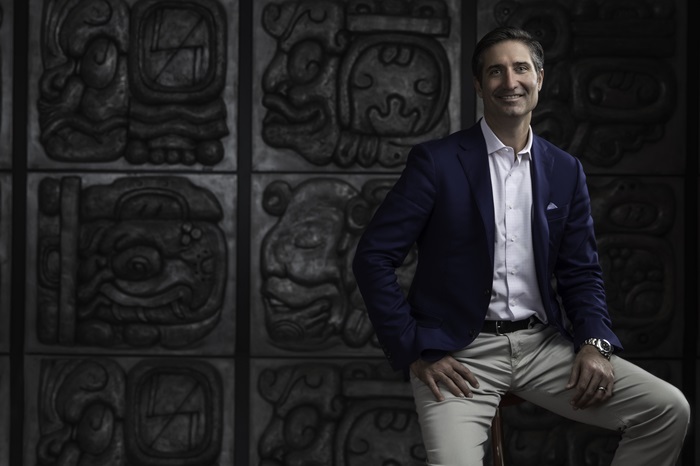
Brian Niccol was at the top of the headlines when he became the new CEO of Starbucks. We’ve been following him closely since he turned Chipotle into the embodiment of a people-centric Social Capital company. “It’s one thing to say we’re trying to be better, another thing to actually demonstrate that you are getting better,” he told us when he was in the midst of transforming Chipotle. “And I’m really proud of that. And when you spend time with, whether it’s our employees talking about the work we’re doing with a young farmer or helping a farm move to regenerative farming or organic soils, it lights up our employee because they get excited about the food and our company at another level. I think it excites our customers when they start to discover we really are trying to make ‘food fast’ done differently.” We’re looking forward to seeing what he does at Starbucks. Meanwhile, if you’re looking for a glimpse of Social Capital in Action, check out “The Words Brian Niccol Shared With Us While at Chipotle Bode Well for Starbucks.” (Published on November 21, 2024)
‘Everybody is someone’s precious child’
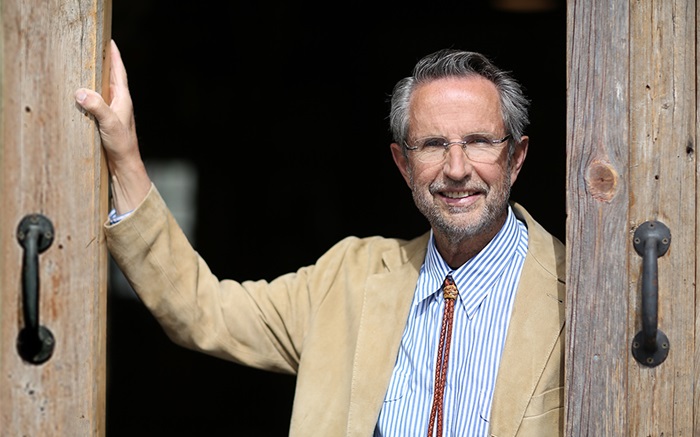
“Everybody is someone’s precious child,” says Bob Chapman, Barry-Wehmiller’s CEO. Rejecting the common corporate approach of using people for organizational success and devaluing them as humans, he is a leader who lives the title of his book, Everybody Matters as he pursues the goal of moving people into action. Bob, who describes himself as a “simple accountant from Ferguson, Mo.,” shares some of his views in a video interview with Chris Benguhe, founder and president of the Dave Alexander Center for Social Capital, that you won’t want to miss. Check out “Bob Chapman’s Simple Idea for Big Success: R-E-S-P-E-C-T for a dose of his inspiration. (Published on November 14, 2024)
Michael Brady is following through on his open-hiring model by boosting the employee ownership movement
Greyston Bakery — known for its pioneering work in hiring people with barriers to employment — developed an open hiring model that ensured everyone applying for work had a fair chance at a job. Former CEO Michael Brady, founder of Organic Food Incubator and operating partner at Southeast Acquisition Capital, played an important role in that. “By removing traditional barriers like background checks, education requirements, work experience and interviews, we sought to level the playing field and provide opportunities to anyone who came to the front door of the bakery,” the Social Capital CEO says in “Fairness Versus DEI? You Can and Must Have Both. However, fairness of opportunity doesn’t stop at hiring. It requires a sustained commitment to providing the necessary support — like training, development and social services — to help individuals succeed and thrive within the workplace.” Brady is now turning his energy to the employee ownership movement through ESOPs and other mechanisms. The goal is to create more equitable wealth distribution in the U.S. (Published on November 7, 2024)
Read why Chris Todd argues hiring on ‘culture fit’ is a dated practice
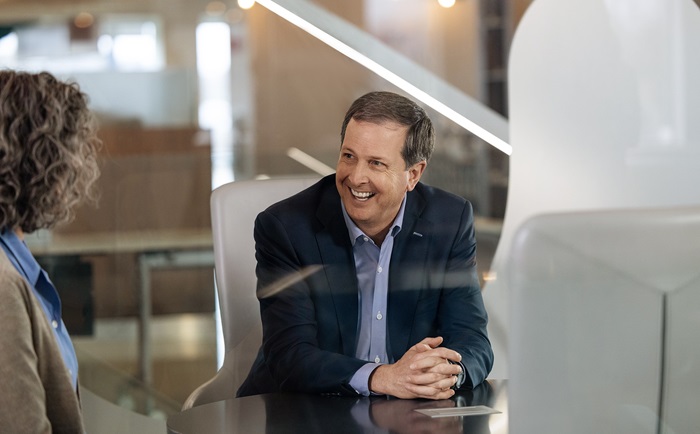
Many companies say they hire on “culture fit.” Chris Todd and Brian Reaves, the former CEO and Chief BD&E officer, respectively, of software giant UKG, argue this is a dated practice that often leads to biased decisions in “A New Belonging: A Fresh Take on DEI.” “If everyone shares the same beliefs and comes from the same background, innovation will be hard to come by,” they write. “People with varied experiences bring different perspectives. A more diverse team will raise topics that might not have been thought of and are more likely to form well-rounded efforts and results, possibly conceiving of new initiatives for the business or streamlining work processes.” If you’re looking for ideas to bring fresh perspectives to your Social Capital company, be sure to check out their insightful essay.
Verne Harnish on creating a more equitable compensation system at a Social Capital company
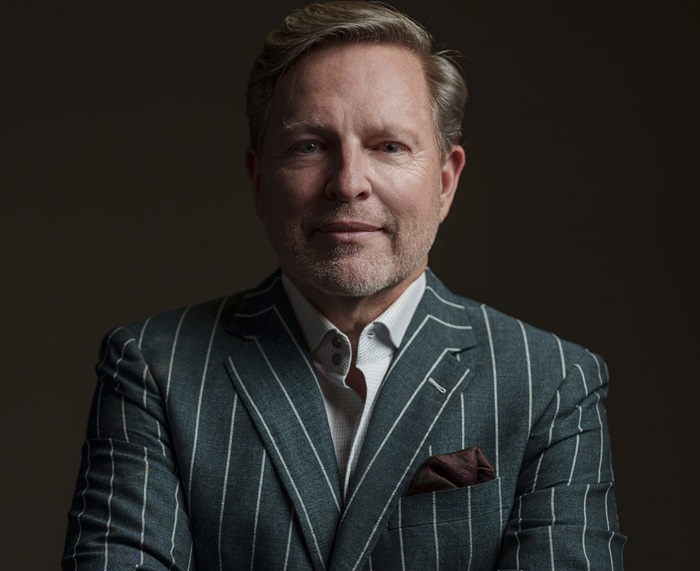
“There is nothing more unequal than the equal treatment of unequals!” according to Verne Harnish, founder of Scaling Up, author of Scaling Up: Rockefeller Habits 2.0 and founder of Entrepreneurs’ Organization. As Verne explains in his piece “Think Fairness, Not Sameness, When It Comes to Compensation,” sports players in the same role don’t usually earn the exact same amount, yet few would argue that the system is unfair — so why not adopt the same approach in business? The question is how to do that. In his piece, he details the approach used by teleradiology provider TMC. If you’re looking for ideas on how to create a more equitable compensation system at a Social Capital company, this article is the blueprint you’ve been looking for. (Published on October 24, 2024)
Tom Nolan says it’s really about ‘having empathy for what people are going through’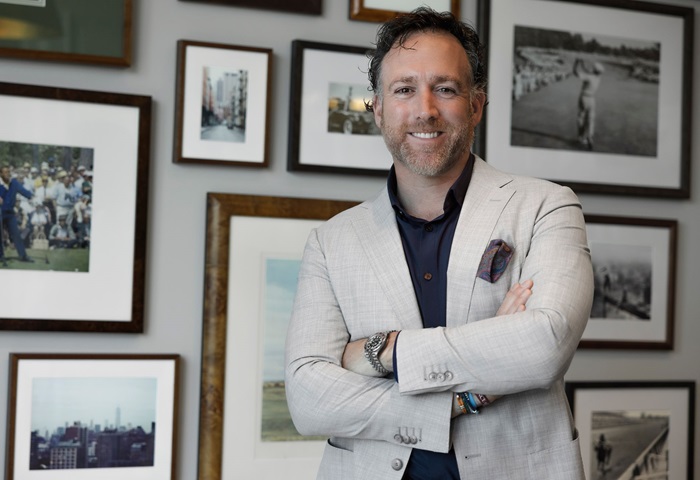
Living by the Golden Rule and treating others the way you want to be treated can create a much happier, more harmonious life, and the same holds true at companies. In “Tom Nolan’s Cancer-Ward Epiphany Led Him to Accept the Helm at Kendra Scott,” Tom Nolan explains how he brings this philosophy to accessories company Kendra Scott. Says Tom, “It’s really having empathy for what people are going through. And understanding what people are going through in their personal lives. To be able to give them the comfort, and the safety, if you will, to be able to live their best personal lives. It’s ultimately going to lead to them leading their best professional lives as well.” That’s powerful inspiration for any Social Capital CEO. (Published on October 17, 2024)
The core principle that helped Alan Mulally raise employee engagement at Ford
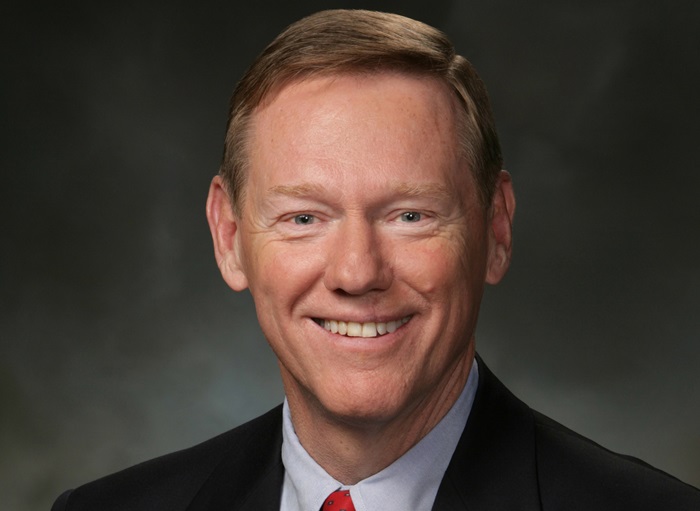
Alan Mulally, former President and Chief Executive Officer, Ford Motor Company.
Alan Mulally is the embodiment of servant leadership, and his work in turning around Ford Motor Co. is a testament to how effective it is. One of his core principles has been: “Remember to seek to understand before you seek to be understood.” That helped him not only bring Ford to profitability but to make massive improvements in employee engagement. “When I arrived at Ford, employee engagement was around 25%. And the employee satisfaction surveys were around 40%.” When he left eight years later, both metrics were greater than 90%. If you’re looking for inspiration for being a better listener — and leader — Alan Mulally is a shining example of excellence on both fronts. Read more of his ideas in “Alan Mulally Built an Operational Strategy around Love — and It Worked.” (Published on October 10, 2024)
‘Never place your identity as a human being based on results’
We live in a world that has programmed us to seek instant gratification — but building a meaningful career is about taking the long view. In “Success and Respect Are Not Instant – Marshall Goldsmith Explains How and Why They Must Be Earned,” the respected business coach explains how to achieve credibility and fulfillment. It’s about being there for your customers, employee, family and community — even when that’s not convenient for you and regardless of what the eventual outcome is. “The counterintuitive part is ‘regardless of the eventual outcome,’” he explains. “People tend to associate results as what everything is about. Never place your identity as a human being based on results.” (Published on October 3, 2024)
#dreamsmadepossible
Excellence in business is about more than achieving financial success. One foundation is a personal connection to customers — the antidote to increasingly automated and impersonal ways of doing business. That’s the case at Facet, a mission-oriented company that offers financial planning for every facet of customers’ lives. The company has a dedicated channel called #dreamsmadepossible, where team members share stories of members’ successes each day. “Ultimately, we want to be delivering a service that creates value for our members, grows profitably and is delivered by a team of happy employees,” says CEO and co-founder Anders Jones in our feature “In Pursuit of Excellence in Business.” That’s Social Capital in Action. (Published on September 26, 2024)
‘If you want to help someone, listen more than talk’
Digital technology is unlocking opportunity for talented people around the world who might otherwise not have access to it. Leading the charge is Someone Somewhere, a company that is helping artisans in Latin America sell their wares far beyond the borders of their countries through e-commerce. Leader Antonio Nuño says that listening to the artisans and viewing the enterprise as a collaboration have been essential elements to the company’s success. “A key learning was … if you want to help someone, listen more than talk,” he says. It’s a lesson that can benefit virtually every Social Capital company. Read more on his philosophy in “Visionary Entrepreneur Unlocks Global Market for Artisans in Remote Villages.” (Published on September 19, 2024)
Social Capital CEOs looking to build a workforce that can navigate the future won’t want to miss this!
One time-honored way to break the cycle of poverty is through education. Rachel Romer is on the front lines as co-founder and executive chair of Guild, a Denver-based B Corp. that helps people gain an education through their employer’s tuition benefits. Guild works with the largest employers in the country — companies such as Walmart, Chipotle, Disney and Lowe’s — to bring education and upskilling to their workforce and enable their teams to go to school debt-free. Companies that partner with Guild see an average of $2.84 in savings for every $1 invested in education benefits — a net return of $1.84. “In partnering with leading employers across the country, we have demonstrated an ability to deliver positive outcomes both for corporations and their frontline employees, leading public and nonprofit universities and society more broadly,” Rachel says. Social Capital CEOs looking to build a workforce that can navigate the future won’t want to miss “Helping Employees Break the Paper Ceiling Turned into a Billion-Dollar Idea.” (Published on September 12, 2024)
Payam Zamani’s ‘One Planet Summit’: Integrating business insights with spiritual perspectives
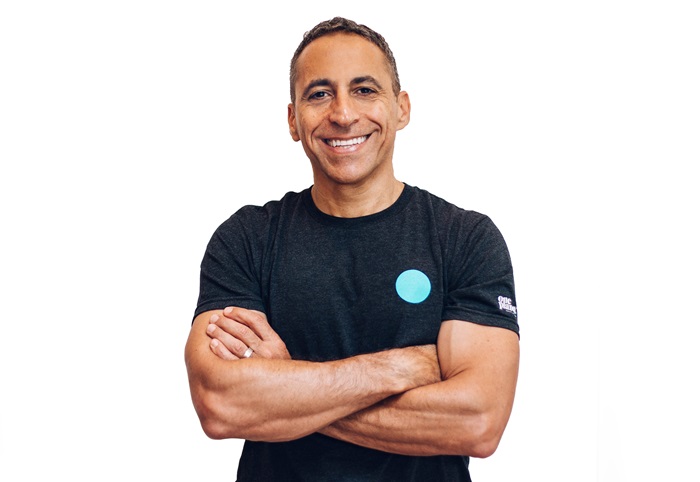
After orchestrating a billion-dollar IPO at his company Autoweb.com, Payam Zamani founded the private equity firm One Planet Group, which invests in online technology and media businesses that improve society and contribute to their communities. A former refugee from Iran, he started the fund after finding that great wealth left him feeling disconnected from his spiritual beliefs. Now he’s bringing together other leaders and visionaries at the One Planet Summit, a new annual conference focused on integrating spiritual principles into business and advancing the well-being of humanity. The by-application-only event will take place at the Palace Hotel in San Francisco on Oct. 11 to 13.
“Like many of you, I have noticed the fundamental flaws in how capitalism has been practiced,” Zamani writes. “We’ve seen the effects: a shrinking middle class, rising homelessness and hunger, and corporate-induced environmental disasters. The growing gap between the excessively wealthy and everyone else is destabilizing our society. My hypothesis is that by integrating business insights with spiritual perspectives, we might be able to address these issues and elevate how we do business. This is the premise for creating the One Planet Summit, and I warmly invite you to join this growing and inspiring community.” Now that’s Social Capital in Action. You can read more of Zamani’s views in “Business is the Ultimate Community Organizer.” (Published on September 5, 2024)
Many employees feel they’re merely a number to leaders who just don’t care
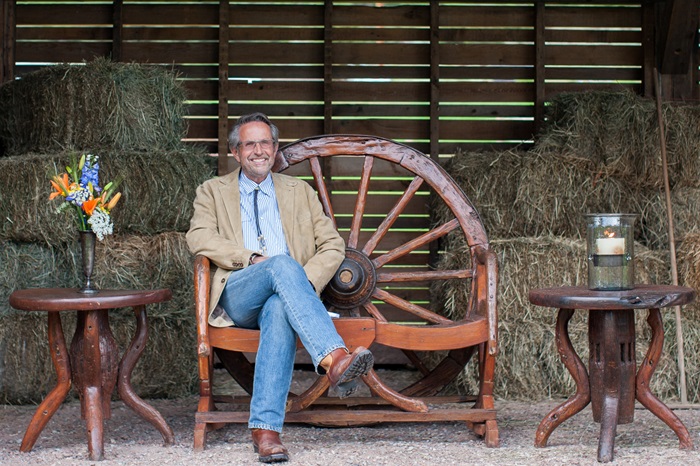
There’s an empathy crisis in corporate America, with many employees feeling like they’re just a number to leaders who just don’t care. Bob Chapman, CEO and chairman of Barry-Wehmiller Companies, embodies the opposite. He is known for creating a company where team members feel safe, cared for and comfortable being their true selves. “When we demonstrate kindness, when we act in empathy, when we show people that they matter, we can restore, honor and protect the sense of dignity that is a basic human need,” he says. “This is how a good job, positive work environments and business itself can work toward ending the poverty of dignity that exists in the world.” Read his perspective in “The Empathy Emergency!” (Published on August 29, 2024)
Empathy ‘starts with being fully present with someone else and quieting my busy mind down’
We live in a complex world, and the glue that allows us to get things done is often empathy — understanding the situation of those around us and finding a way to a win-win. John Mackey understood this intrinsically as he built Whole Foods and is applying it at his startup Love.Life. “In today’s complex world full of various interdependent organizational stakeholders, as well as a very challenging political environment, empathy has become even more important for leaders to skillfully employ,” says Mackey. “It starts with being fully present with someone else and quieting my busy mind down. When my mind is quiet and I am present, I can really listen to what someone else is saying (both verbally and non-verbally) and feel what she or he is feeling. In such a mindful state of presence, I am better able to go much deeper into whatever situation I find myself in and can see and intuitively know what is most appropriate to say or do.” Soak up more of his immediately actional perspective in “The Empathy Emergency!” (Published on August 22, 2024)
Ed Bastian’s response to the CrowdStrike outage embodies the best of the Social Capital spirit
Delta Air Lines Olympics LIvery reveal at the Technical Operations Center in Atlanta, Georgia on December 17, 2021 (Casey Sykes/ Rank Studios)
Delta Airlines was hit hard by the CrowdStrike outage, but, in true Social Capital spirit, CEO Ed Bastian made no excuses. Instead, he did all he could to make customers whole, issuing travel waivers so they could change their itinerary at no charge and providing impacted customers with SkyMiles and travel vouchers. He also inspired his team to work tirelessly around the clock to restore service. With many Social Capital leaders seeking inspiration to navigate the challenges in front of them, we saw fit to share Ed’s update, which embodies the best of the Social Capital spirit, in our “In Pursuit of Excellence in Business” feature. (Published on August 15, 2024)
Fred Hassan explains the importance of building long-term relationships
Success isn’t all about selling. Just ask Fred Hassan, a director at private equity firm Warburg Pincus and author of the bestseller Reinvent, A Leader’s Playbook for Serial Success. Although closing deals matters a great deal in the growth of a business, what’s more important is building long-term relationships, he explains in “Former Big Pharma Exec Says Lose the Sale, Not Your Integrity.” That’s an idea that many Social Capital CEOs embrace and embody, as he enthusiastically conveys, and leads to long-term organizational health. (Published on August 8, 2024)
When leaders put themselves in the shoes of their teams
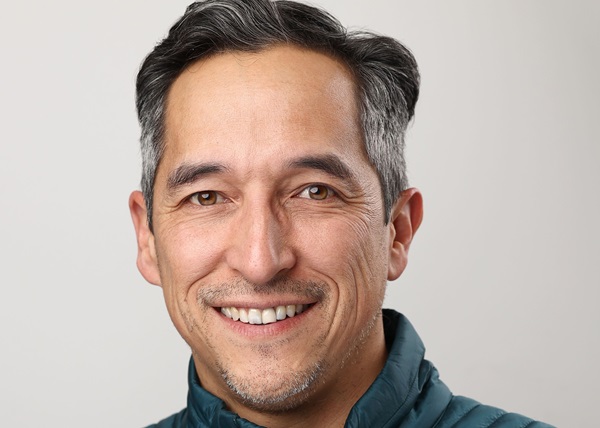
Passion is one of the most under-evaluated forces in business, and nowhere is that more evident than in the world of Social Capital companies where leaders share a passion for putting people first. That’s certainly true for outdoor-gear firm Cotopaxi. “Cotopaxi is powered by the passion of our people,” says CEO Damien Huang. “That passion is not only important for the idea of a distinct and formidable ‘company culture’; it has driven impactful innovation and marketing ideas, and attracted and retained talent. Empathy is a key ingredient in what makes that happen. We lead with empathy simply because it creates better outcomes for the employee, the team and the business.” Soak up the passion for people that unites Huang and our other Social Capital leaders in “The Empathy Emergency!,” which explores the incredible results that take place when leaders put themselves in the shoes of their teams. (Published on August 1, 2024)
‘Happiness is when what you think, what you say, and what you do are in harmony.’
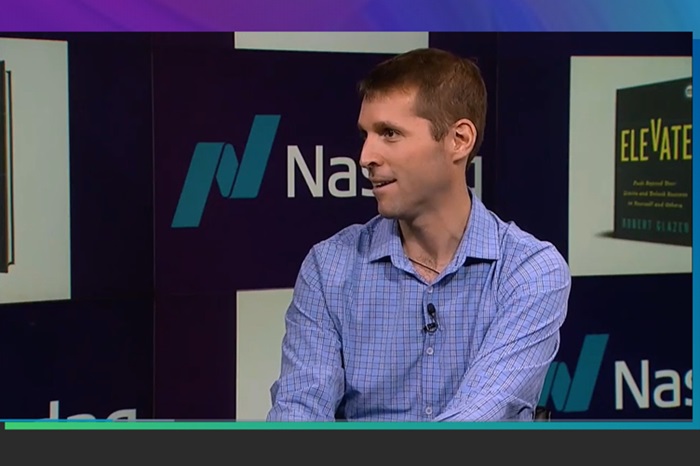
In an age of AI, embracing authenticity and what’s real is more important than ever. But what does authenticity mean and how do you show it in the business world? As Robert Glazer puts it, “I believe that being authentic in business comes down to a very simple principle, inspired by a famous Gandhi quote related to happiness: ‘Happiness is when what you think, what you say, and what you do are in harmony.’” Read more of this Social Capital entrepreneur’s insights in “Authentic CEOs: Antidote to the Counterfeit Culture.” (Published on July 25, 2024)
Read all about Jill Koziol’s signature achievement
Mothers are an important part of the workforce and many companies’ customer base. Co-founder and former CEO of Motherly, Jill Koziol has made it her priority to understand and cater to moms, as she details in “Mothers: The Niche Everyone Wanted to Monetize and No One Wanted to Serve.” One signature achievement: Motherly’s Annual State of Motherhood Report, the largest study of its kind. If you’re looking to create a workplace where mothers want to stay, you’ll find valuable insights on what matters to them in this important piece. (Published on July 18, 2024)
‘I’ve got a bigger purpose. A grander plan.’
It’s tempting to go after a quick payday if someone makes an offer for your company. However, there is more to the decision than money, as Brian Scudamore points out in “Why Exit When Running Your Company Is So Much Fun?” As the Social Capital leader writes, “I’ve got a bigger purpose. A grander plan.” And the joy of watching people grow, planting seeds and rallying a team has him hooked on continuing to own O2E Brands, the parent of 1-800-GOT-JUNK. His thoughts are a must-read for any Social Capital leader who is being wooed now by investors or who may be someday soon. (Published on July 11, 2024)
How do you build your empathy ‘muscles?’
As former WD-40 CEO Garry Ridge puts it, “Empathy is about connecting with people on a human level, recognizing their emotions and experiences, and responding with compassion and understanding. It goes beyond sympathy, which is simply feeling sorry for someone; empathy requires us to put ourselves in their shoes and feel what they are feeling.” But many leaders find they are out of touch with their empathetic side. How do you build your empathy “muscles?” Read Garry’s perspective in “The Empathy Emergency: Successful Business Leaders Need It Now More Than Ever.” (Published on June 27, 2024)
Aron Ain’s heartfelt approach to trust-building
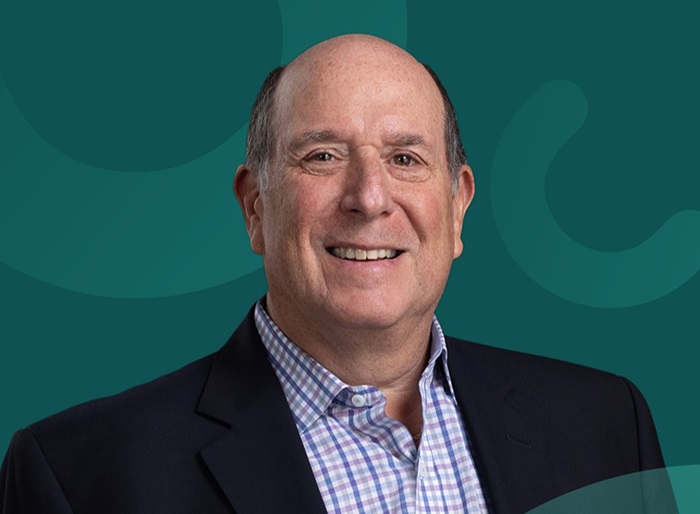
Trust is the foundation for any business relationship, but it’s in short supply in our culture. Nowhere is that more evident than in the workplace. Aron Ain, former CEO of UKG, found a way to increase trust among employees in a few short months. The key is communicating honestly and behaving respectfully. Building a foundation of trust is what allows leaders to delegate successfully, even as they hold onto the right to overrule team members when necessary. Read on for Aron’s heartfelt approach to trust-building in “How to Win Back Your Employees’ Trust.” (Published on June 20, 2024)
‘No matter what our role, we get to choose our purpose’
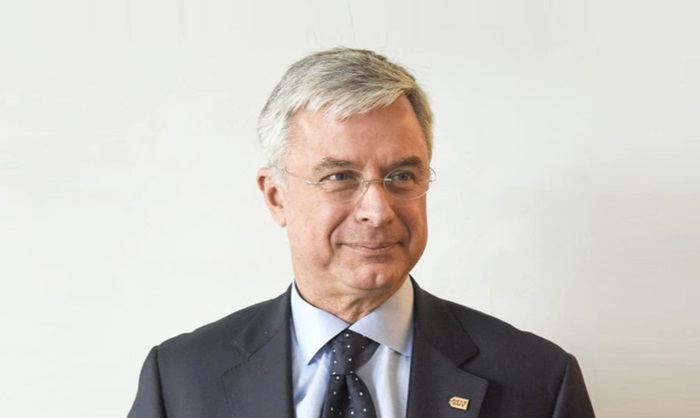
Imagine what the world would be like if at least 80% of people gave their best at work. Hubert Joly brought that idea to life at Best Buy, spurred to make work inspiring by the memories of a demoralizingly meaningless summer job he took as a teenager many years ago. One way he did this was by reconnecting team members to their purpose. “No matter what our role, we get to choose our purpose, and we get to consider how our work is connected to it,” he says. Read more of his Social Capital philosophy in “More Workers Are Seeking More Meaning. Leaders Must Deliver It.” (Published on June 13, 2024)
Using AI to create opportunities for those on the entry level
Most people didn’t give much thought to the supply chain until the pandemic brought us shortages of many seemingly boring staples we couldn’t live without, like toilet paper. Blue Yonder is making it less likely we’ll see those empty shelves again with its operating system for the supply chain industry. Duncan Angove’s company relies on AI to supplement its team, and, contrary to what you might expect, the AI has created opportunities for those on the entry-level tiers to move up. Learn more in “Remember Empty Shelves and Stockpiled Toilet Paper – Blue Yonder’s AI Solution Promises Never Again.” (Published on June 6, 2024)
Austen’s approach to listening to students
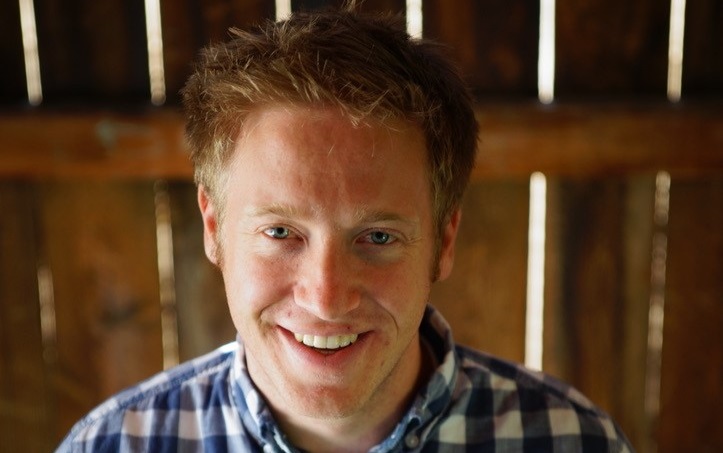
Austen Allred started the innovative tuition policies at the Bloom Institute of Technology after listening closely to students who took his free classes in technology. He’d invite satisfied students to join the paid program, but they couldn’t afford it — so he’d offer to pay their tuition and let them pay him back. As that became more of a common practice, demand increased and led to an institutionalized policy. The Institute now gets 1,000 applications a month. Read about Austen’s approach to listening students in “Business Leaders Who Really Know How to Listen.” (Published on May 30, 2024)
When they rolled out the first versions, the reaction was overwhelming

FIGS, based in Santa Monica, Calif., makes high-quality scrubs and other medical equipment, and through the Threads for Threads initiative helps to donate scrubs to healthcare professionals who work in resource-poor counties. Co-founders and co-CEOs Trina Spear and Heather Hasson started the business after Hasson met with a friend from the nursing field who came off a shift in ill-fitting scrubs. What if they created them in cutting-edge materials, with purpose-driven designs? When they rolled out the first versions, the reaction was overwhelming. They’re now scaling their vision after raising capital and are involved in advocacy efforts, like their “Awesome Humans Bill,” focused on solving issues of importance to healthcare workers, like fair pay. Check out their story in “Companies Created to Save the World – for Real.” (Published on May 23, 2024)
Antonio Nuño has some innovative ideas on employability and sustainability
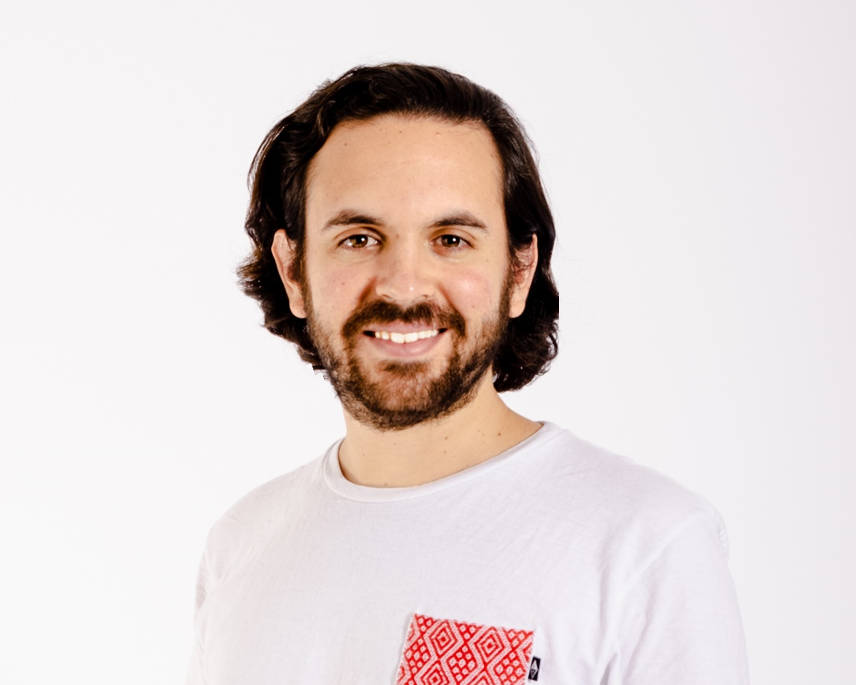
Antonio Nuño always knew he wanted to focus his energy on solving the world’s biggest problems. He’s tackling two at the same time through Someone Somewhere, a company that helps indigenous artists in remote, rural communities to sell their wares. The startup helps them combine traditional handicrafts with sustainable materials and connect them to customers around the world using technology. To read more on Nuño’s innovative ideas on employability and sustainability, check out “Companies Created to Save the World – for Real.” (Published on May 16, 2024)
Laura Katz is on a mission to help more people on the planet reap the nutritional benefits of breast milk

At nutrition startup Helaina, CEO and founder Laura Katz is on a mission to help more people on the planet reap the nutritional benefits of breast milk. Inspired by a podcast talking about moms buying black-market breast milk, she wondered if the sought-after nutrients it contains could help people beyond infancy. Helaina, which raised $35 million in funding, has introduced the protein Effera Human Lactoferrin, an iron-modulating protein that is highly concentrated in human colostrum. Lactoferrin has been found to balance the immune system, support healthy gut function and optimize iron levels. Read more about Helaina and other companies that are solving problems once tackled only in the nonprofit sector in “Companies Created to Save the World – for Real.” (Published on May 9, 2024)
Sarah Robb O’Hagan aims to teach leaders how to prevent burnout
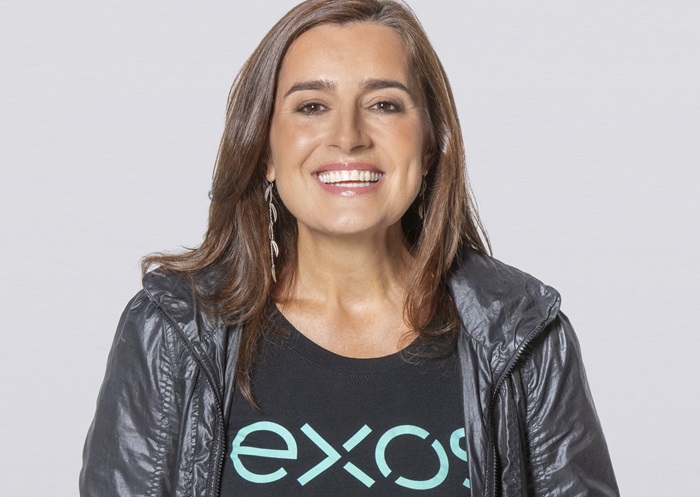
CEOs are like elite athletes in many ways. With many working 12-, 14- and 16-hour days, they often keep going until they crash. Sarah Robb O’Hagan, CEO of the coaching organization EXOS, aims to teach leaders how to prevent burnout, for themselves and everyone else on the team. Her coaches arm them with the tools to create a culture that allows everyone adequate time for recovery. “If you can set that tone for your team, you are going to make a huge difference in their engagement, how excited they are to be at work and, ultimately, how productive they are because you’re helping them feel great at their day,” she says. She shared her approach with Chris Benguhe founder, president and publisher at the Dave Alexander Center for Social Capital recently. You can watch their conversation here. (Published on May 2, 2024)
‘It’s crucial to ensure the people identified for leadership roles actually want to lead’
Most organizations expect everyone on their team to want to ascend to manager or team leader. Bob Glazer, founder and chairman of Acceleration Partners, feels that the traditional approach does not consider the diversity of employees’ ambitions. “While a key responsibility of a leader is to identify and develop new leaders, it’s also crucial to ensure the people identified for leadership roles actually want to lead,” he writes. “Any leader who fails to do this puts their organization’s health in jeopardy.”
So, what does that look like in real life? Glazer shows how to recognize employees who prioritize excellence but don’t see themselves leading the charge in his essay “Respecting the Diversity of Employee Ambition.” It lays out a path for any Social Capital CEO who is looking to recognize subject matter experts, creative rockstars, working parents who don’t want more responsibility than they already have and other valued team members who don’t want to lead a team with an alternate path to advance in their careers. (Published on April 25, 2024)
Outdoor walking meetings are fostering both productivity and well-being
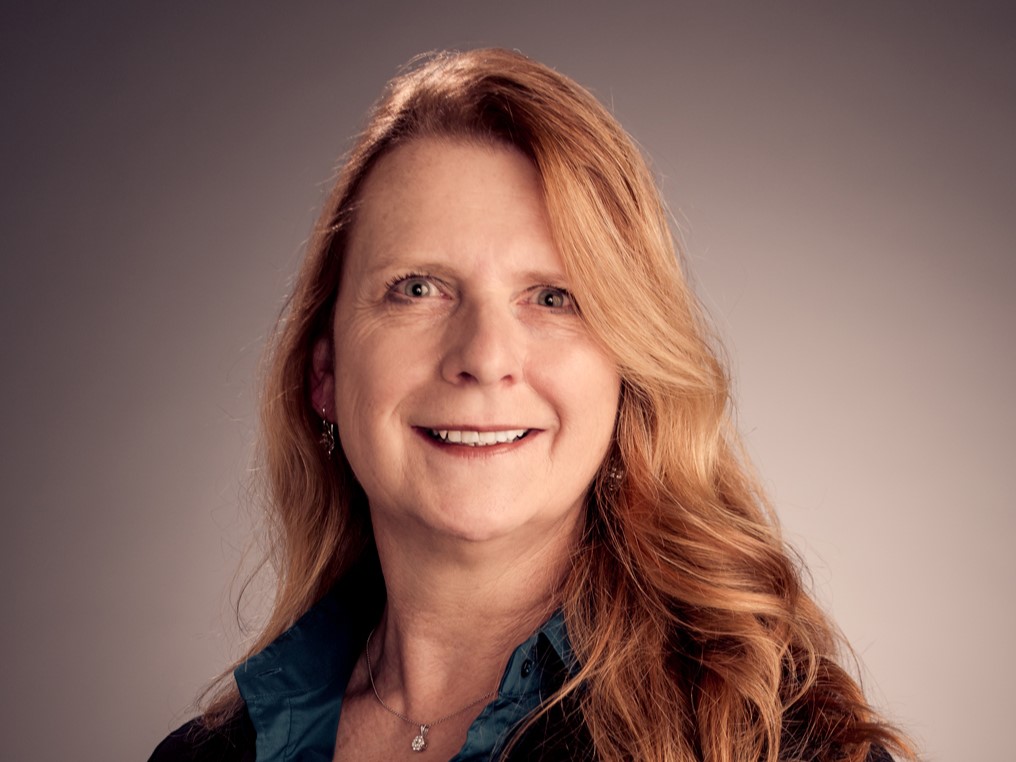
In Germany, where AAA Translation founder Susanne Evens grew up, perks like massages and 30 days annually of vacation are standard. And parents are entitled to up to three years of parental leave per child, which can be split continuously or shared among parents. However, Evens found that in the U.S., prevailing workplace practices — which allowed for little flexibility and limited wellness benefits in many companies — were hard on single mothers like herself. So, when Evens started AAA Translation, she was determined to do things differently. Her business is virtual and prioritizes flexible work arrangements, with remote options, flexible options and unlimited time off. And she also pays attention to the seemingly little things that contribute to a life-supporting culture. “Outdoor walking meetings have become a regular occurrence, fostering both productivity and well-being,” she says. Read more about what AAA Translation is doing to support wellness in “Well-Being and Companies Slaying the Burnout Dragon.” (Published on April 18, 2024)
Read how Bob Chapman is prioritizing and incentivizing wellness
As Bob Chapman, chairman of Barry-Wehmiller companies, sees it, the vast majority of illnesses are caused by chronic stress “and the biggest cause of chronic stress is work.” The company’s Truly Human Leadership philosophy is one method of tackling that, on the premise that bosses have a big impact on the health of their teams and building healthier bosses will have a trickle- down effect. The company also has introduced a wellness program that incentivizes team members to take care of their health through being physically active and getting preventive screenings.
Says Chapman, “The primary way we contribute to their well-being is by providing an environment where they feel valued and fulfilled, where they feel energized by their time working rather than drained by it. That’s why we have invested in teaching our global leaders the skills and courage to care for those they have the privilege to lead.” Do a deep dive into how he and other Social Capital leaders are prioritizing wellness in “Well-Being and Companies Slaying the Burnout Dragon.”
‘We wanted to help Delta employees achieve a level of financial security.’
(Casey Sykes/ Rank Studios)
More than 2.8 million people a year die from unmanaged workplace stress, according to the World Health Organization. Financial stress is a part of that in the U.S., with housing and food costs at record highs. To address this, Social Capital company Delta Air Lines is prioritizing financial wellness through efforts such as its Emergency Savings Program, run in partnership with financial education nonprofit Operation Hope, and Fidelity Investments. More than 35,000 Delta employees have started building emergency savings accounts through the program.
Delta CEO Ed Bastian says the company started the program after seeing statistics that 50% of Americans don’t have access to $1,000 in savings for a financial emergency. “While we can’t solve the problem for everyone, we wanted to help Delta employees achieve a level of financial security by boosting their savings and financial wellness,” he says. “Investing in our people, along with providing tools and education to help manage and grow their wealth, is part of our responsibility as a values-led organization.” Read more about efforts like this in “Well-Being and Companies Slaying the Burnout Dragon.” (Published on April 4, 2024)
‘We provide a work environment at Cotopaxi where faith is not a taboo topic’
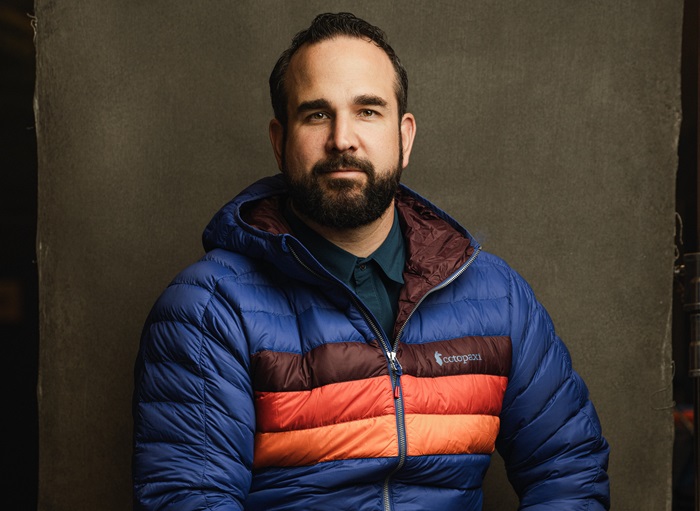
Faith is an important part of many people’s lives, and more companies are realizing that allowing employees to express this part of their identity at work is a critical part of diversity, equity and inclusion. Stephan Jacob, COO and co-founder of Cotopaxi, has found that it’s important to proceed carefully, to avoid situations that might cause division. The crux is communication: “To me, that is all the more reason to ensure that we provide a work environment at Cotopaxi where faith is not a taboo topic but is acknowledged as a contributor to a thriving team of diverse talent,” he says. Learn how this innovative Social Capital leader is pioneering fresh approaches to faith in the workplace in “Faith Matters—And The Business World Finally Gets It.” (Published on March 28, 2024)
‘Like a pebble in the pond’
Social Capital CEO Jonathan Keyser is taking the cutthroat vibe out of commercial real estate at his firm Keyser. His goal is to help as many people as possible. “The more people we help, the more they go tell others about how great we are and how we help them, then those people we can help,” says Jonathan. “… it’s like a ripple effect, like a pebble in the pond. And to us it’s so inherently simple, right?” Jonathan shared the insights that have allowed him to build a firm that has made it to the 10-year mark running one of the largest independent firms of its kind in the country, speaking with Chris Benguhe, founder and president of the Dave Alexander Center for Social Capital, in an exclusive video interview. Check out their convo in “‘Love’ Replaces ‘Cutthroat’ in Jonathan Keyser’s Approach to Commercial Real Estate.” (Published on March 21, 2024)
Finding safety in numbers
Stephan Aarstol, owner and founder of Tower Paddle Boards, has found there is safety in numbers. In addition to his e-commerce business selling the boards, he’s founder of the No Middleman Project, where 400 small businesses selling direct-to-consumer brands come together in a curated showroom on the Internet, so they can withstand the pressure of competing with giant online stores. The showroom links to their online stores. “You’ve got to get somebody in there that is willing to have a monopoly without exercising that monopoly, and it has to be some kind of an altruistic thing or some kind of a social benefit company,” says Stephan. Small businesses will always face competition from bigger, deeper-pocketed rivals, but as Stephan’s example shows, there are creative solutions available to Social Capital CEOs who are willing to come together. Watch his exclusive interview with Chris Benguhe, founder and president of the Dave Alexander Center for Social Capital, here. (Published on March 14, 2024)
Bob Chapman embraced a people-centric way of business long before catchphrases like ESG became trendy
It wasn’t all that long ago that leaders were drinking the Kool-Aid that business was just about the numbers. Today’s more enlightened CEOs have had a chance to learn from the past three decades of observing a business world driven by little more than quarterly profits and realize that if you don’t care about people — those who work for you, your customers and your community — your business will not be sustainable. Social Capital CEO Bob Chapman, who leads Barry-Wehmiller, embraced a people-centric way of business long before catchphrases like ESG (environmental and social governance) became trendy. Read his compelling ideas in “CEOs of the Future Must Not Be Penny-Wise and People-Foolish.” (Published on March 7, 2024)
BloomTech is revolutionizing how schools provide education to democratize access to skills
Thanks to the tech transformation sweeping many industries, workers with tech skills will be some of the most sought-after in decades to come. Austen Allred, founder of BloomTech, is revolutionizing how schools provide education to democratize access to these skills, offering options that include one where students pay zero tuition up front. This is creating the potential for generational economic change in communities across America. Says Austen, “The traditional risk equation of education is deeply flawed. It places an overwhelming burden on the individual — not the educators. I co-founded Lambda School [now BloomTech] with the underlying hypothesis that if we eliminate risk and align the incentives of students and schools on a large enough scale, we can democratize access to career and income mobility.” It’s a mission that is changing lives every day and one that will inspire any Social Capital CEO who reads his story in “Five CEOs Who Empower Others — And How!” (Published on Feb. 29, 2024)
Here’s how Cotopaxi is empowering its employees
Clear communication is the key to empowering employees. In Social Capital feature article “Five CEOs Who Empower Others—And How!” Damien Huang, who recently took over the reins at Cotopaxi as CEO, explains how to spark the critical conversations that allow employees to feel they have a stake in a company and how it does things. “Our culture strives to foster clear communication and active feedback within our teams, so employees understand organizational goals and their role in achieving them,” he shares. “They have well-defined decision-making authority and autonomy within their sphere of expertise.”
But the company’s efforts don’t stop there. The company strives to give employees access to all the people and information they need to do their work. And it invests in the tech tools to support strong communication among a dispersed workforce. This benefits the company, its employees, its customers and its community — the foundations of a Social Capital company. As Damien puts it: “Empowered employees bring their full selves to work and feel able to contribute the best of their abilities. They recognize how the work they are doing supports their peers, their team and the company at large.” (Published on Feb. 22, 2024)
Read Antonio Nuño’s recommendations on supporting a healthy planet
Many of us have wondered what we can do to support a healthy planet through the activities of our company. In “The Amazing Power of Human Capital,” Antonio Nuño, co-founder and CEO of Someone Somewhere, a B-Corp, offers a useful blueprint, sharing best practices he learned from his friend Pantaleon, who constructed the building where Antonio lives. Antonio’s recommendations, based on his friend’s strategies: Regenerative agriculture and local consumption, re-utilizing materials by re-imaging them, recycling, refurbishing and community living, and reusing. These ideas bring welcome simplicity to the challenges of running a more sustainable operation, no matter what its size. Don’t miss this short but powerful essay. (Published on Feb. 15, 2024)
Garry Ridge shows how to create an environment where employees can be their authentic selves & flourish
Bring your whole self to work.” Many companies ask employees to do just that, but everyone knows they want only the sanitized, Facebook-ready version of that self. Garry Ridge — who was CEO of WD-40 for 25 years and is now a consultant, coach and founder of global firm The Learning Moment — has put this concept into action in a way that may give you inspiration.
“Knowing we are accepted and fully welcome in an emotionally healthy workplace environment that provides for us, and our family is the foundation of psychological safety that benefits everyone involved — customers, workplace colleagues, family members, the community, even the world,” Garry says. In “Garry Ridge Says CEOs Must Realize the Impact of Work Life on Home Life,” he shows how to create an environment where employees can be their authentic selves and flourish — one built on positive emotions, engagement, relationships, meaning and achievement and that provides the underpinning for a positive home life. You won’t want to miss this essential playbook. (Published on Feb.8, 2024)
How Trent Griffin-Braaf honors team members’ commitment to family
Trent Griffin-Braaf, founder of Tech Valley Shuttle, always cared about family, but when his then-three-year-old daughter caught meningitis that spread to her brain, he had a powerful lifelong reminder of how precious family is. He has brought that deep internal commitment to his award-winning company’s culture, offering an extensive workplace flexibility program and honoring team members’ commitment to family, whether a family emergency involves a close friend or a sibling. Perhaps it should not be a surprise that, in an anonymous survey, 100% of staff were fully engaged and motivated in their roles. You can read more about how Tech Valley Shuttle embraces Social Capital principles in “Family Is the Backbone of Business.” (Published on Feb. 1, 2024)
The compassionate philosophy that drives HeartPoint Global

Congenital heart disease is one of the most common causes of infant deaths and is contributing to a tragic rise in the mortality of our nation’s youth. HeartPoint Global, a pioneer in lifesaving devices for cardiac problems, is tackling the problem head on with the development of a device to help children with heart issues, opening the door to a noninvasive alternative to open heart surgery or to help the heart heal itself. At a time when the pharmaceutical and medical device industries have priced many treatments sky-high, the company is selling this device for $4,000, making it affordable to countries in developing regions where equipment that is considered disposable in the U.S. is reused hundreds of times in surgeries. In “HeartPoint Global’s ROI Is Survival For Children With Congenital Heart Disease,” you can read about the compassionate philosophy that drives Social Capital CEO Seth Bogner and bring that inspiration to your own company. (Published on Jan. 25, 2024)
CEO Richard Moore believes the company is about its people
Some companies define their “why” around what they sell or the service they perform. At The Good Feet Store, CEO and President Richard Moore believes the company is about its people, putting goals like their long-term development at the top of his pyramid of concerns. While giving back to the outside community is a priority, companies need to give to those who serve customers every day, too, he believes. Striking that balance is not always easy, but he shares how he pulls it off in “Richard Moore on Making People Your ‘Why.’” Don’t miss this exclusive interview with Chris Benguhe, founder and president of the David Alexander Center for Social Capital. (Published on Jan. 18, 2024)
There are some things only humans can do in the age of AI
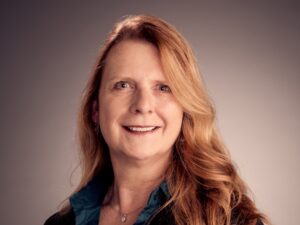
There are some things only humans can do in an age when AI is taking many boring and rote tasks off our plates. At AAA Translation, founder Susanne Evens has made it her mission to support the team members who make translation an art that can’t be performed as well by robots because of all of the nuances of human communication, the sensitivity and confidentiality needed in many situations, and the subject-matter expertise required. In doing so, she is helping to preserve the diversity of the languages that are in active use today. Evens shares her Social Capital philosophy in “One Big Argument Against AI: The Need For Human Understanding in Translation.” (Published on Jan. 11, 2024)
Successful companies ‘stick to their knitting’
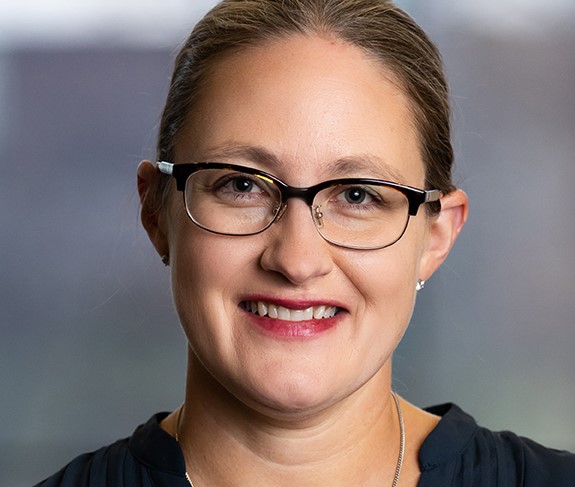
It’s tempting to try to become all things to all people as your company grows, but that approach can lead you away from your true spirit as an organization. As Jasmine Jirele, president and CEO of Allianz Life Insurance Co., explained in our recent feature “Authentic CEOs: Antidote to the Counterfeit Culture,” “Successful companies understand their strengths and core competencies, and ‘stick to their knitting.’ This includes how and where a company engages in the community, the markets in which it operates, how it supports employees and how it makes decisions.” In practical terms, this focus has meant that the company stays focused on finance. (Published on Jan. 4, 2024)
‘I much prefer the word ‘authentic’ to ‘integrity’
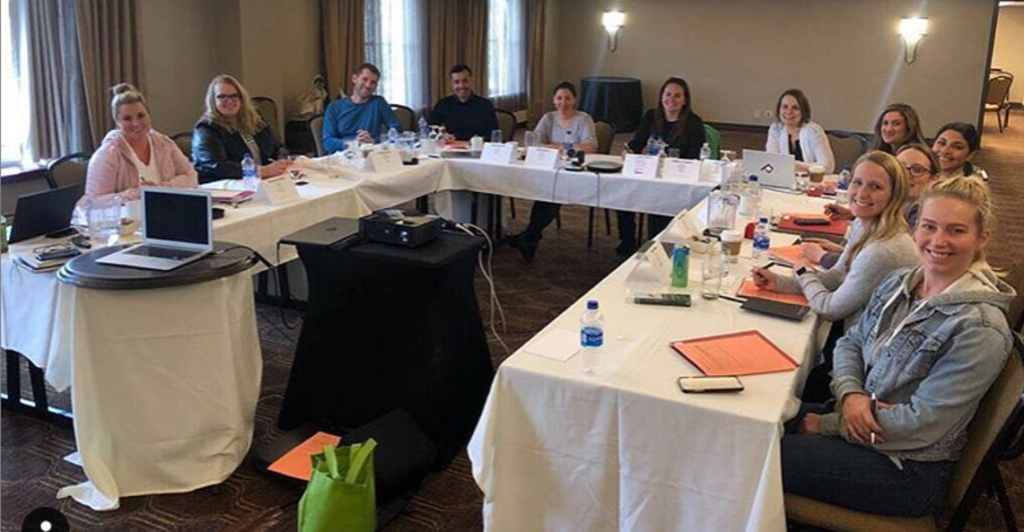
“I much prefer the word ‘authentic’ to ‘integrity,” Robert Glazer, CEO of Acceleration Partners, shared in our recent CEO roundtable on authenticity. As he pointed out, what you think, do and say are all alike, but many people default to saying the “right thing” rather than what they really mean. “So that’s something I’ve always tried to work on, even when it’s not necessarily what people want to hear. And sometimes it can be uncomfortable, too,” says Glazer. If you’re trying to figure out how to bring more of your authentic self to your role as a leader and struggling through those uncomfortable moments, too, you will not want to miss this panel, which is both heartfelt and thought-provoking. (Published on Dec. 19, 2023)
Dr. Chris Mansi’s AI-powered technology is a win-win for doctors and patients
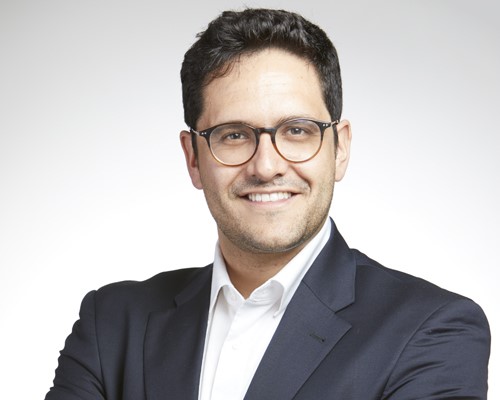
Delays in communication can mean the difference between life and death for patients in critical condition. Enter Chris Mansi, the surgeon behind Viz, an AI-powered technology that reads patients’ medical scans and can quickly identify which doctors in a vast hospital system the patient should see. Dr. Mansi launched the platform in 2016 after completing a successful operation in 30 minutes but tragically losing the patient because of five hours of delays that happened before the surgery. Today, 1,400 hospitals use it, it is reimbursed by CMS and, on top of saving lives, it’s helping to reduce physician burnout through efficiency gains and improve profitability for health systems. That kind of win-win is what running a Social Capital company is all about. You can watch our exclusive interview with Dr. Mansi here. (Published on Dec. 14, 2023)
‘The better educated a mother is, the better mother she can be’
As the new year approaches, Motherly — an expert-driven, woman-centered guide to mothering — is coming up on its first anniversary of making all its content available for free. “I found that if we’re trying to achieve our mission of empowering mothers to thrive, and redefining motherhood with them, we can’t just be doing it for the 50% of the population that can afford it when 50% of children in the U.S. are born on WIC and Medicare,” said Jill Koziol, CEO and cofounder, when Motherly made the decision to switch from a business model based significantly on subscriber revenue to one more reliant on advertising revenue. “Motherly is an education platform, and education is an important social determinant of health, so the better educated a mother is, the better mother she can be.” Now that’s the spirit of a Social Capital company. She shares her approach to business in “Mothers: The Niche Everyone Wanted to Monetize But No One Wanted To Serve.” (Published on Dec. 11, 2023)
What does authentic leadership look like in real life?
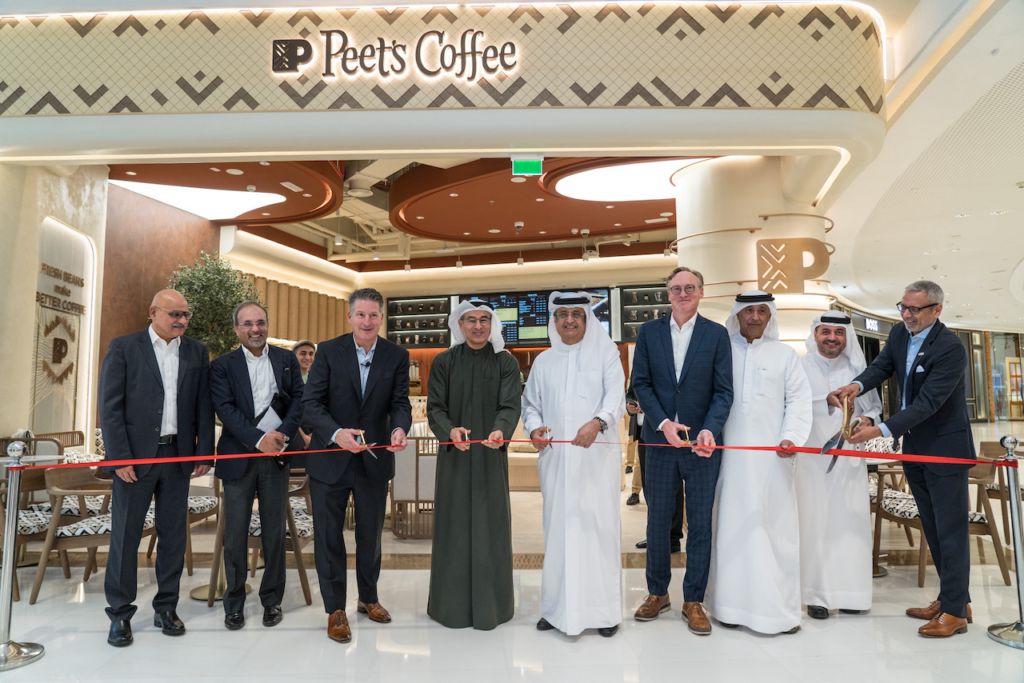
Peet’s Coffee has a fanatical following, and it’s not just because of its coffee. Many of its most avid customers are aware of the commitment it makes to people, among them its team and its suppliers. At a time when companies’ supply chains are more fragile than ever — and more important — President Eric Lauterbach has put its farmers front and center, through practical and valuable help. “We really believe in helping the farmers get better productivity and better yields, which leads to better prices and better quality of life,” he says. And, in turn, it leads to more success for Peet’s, allowing this virtuous circle of capitalism at its best to keep going. Hear more of the thinking behind this juggernaut in our exclusive video interview with Lauterbach.
Seth Bogner leads his team members from his higher self and place of empathy
 It’s hard to build a Social Capital company if you’re leading from ego and a desire to control others. Seth Bogner, chairman and CEO of HeartPoint Global, makes a conscious effort as a leader to stay self-aware — taking frequent reality checks to make sure he’s leading team members from his higher self and place of empathy. “Using an elevated intention and emotional intelligence for the greater good is infectious and inspires others to align themselves with our example to follow,” as he puts it in “Authentic CEOs: Antidote to the Counterfeit Culture.” He’s a great example of leading from the heart, the essence of Social Capital in action.
Helping employees plan for their financial futures

Penny Pennington, managing partner of Edward Jones, sees her employees as family — and their families as part of her extended family. To help them tuck away money for the future and foster “the kind of environment that fosters the complete well-being of that family and enables [employees] to unleash their talents and gifts,” Edward Jones puts billions of dollars in its 401k savings plan. “We’re a firm that helps people plan for their financial futures, so we help our colleagues do that,” she says. That kind of consistency of words and actions is what Social Capital leadership is all about. Read more in “Penny Pennington Affirms Commitment to Growth — of Families.” (Published on Nov. 9, 2023)
‘Leading is not extra work, it’s the work’
As Chris Todd, CEO of UKG, puts it, “Successful and inspiring leaders understand that leading is not extra work, it’s the work. Being all in on leading and having true care and compassion for people is foundational to authentic leadership.” What does that look like in real life? UKG aims to lead through nine high-trust behaviors: sharing, celebrating, hiring, caring, developing, thanking, listening, speaking and inspiring. “These behaviors cultivate high trust and enable authentic leadership that creates inclusive and productive teams,” he explains. “If you’re serving every individual in your company in an authentic way, then you’re doing your job as a leader — and positive business results will follow.” Learn more about how to show your authenticity as CEO of a Social Capital company in “Authentic CEOs: Antidote to the Counterfeit Culture.” (Published on Nov. 2, 2023)
Authenticity as a leader requires restraint
Authenticity as a leader requires restraint. As CEO coach Marshall Goldsmith points out in “Authentic CEOs: Antidote to the Counterfeit Culture,” leaders need to be judicious in what they share. Harmful disclosure may be authentic but it’s not professional. Goldsmith points to Francis Hesselbein, who turned around the Girl Scouts, and Alan Mulally, who turned around Ford, as examples of how to walk this tightrope as a leader. “They were always authentically in the role of being a professional and a leader,” says Goldsmith. “Although I knew both for decades, I never heard either of them make one comment that would be defined as unprofessional or dysfunctional.” For more insights on how to be an authentic Social Capital leader, see “Authentic CEOs: Antidote to the Counterfeit Culture.” (Published on Oct. 26, 2023)
Bob Chapman embraces Truly Human Leadership
In the not-so-distant past, many people expected CEOs to embrace a formal style of leadership where they had to pretend to have all the answers to keep everyone else calm and following directions. But the old hierarchical ways of running companies have changed, and at Social Capital companies, leadership is more about humility, compassion and empathy than command-and-control. That means leaders can be authentic and real. Bob Chapman is a good example. As chairman and CEO of Barry-Wehmiller, he has embraced what he calls Truly Human Leadership. It’s focused on letting team members know they are valued, cared for and an integral part of every company’s purpose. In our panel on authenticity, you won’t want to miss his thoughts on how leaders can get real. (Published on Oct. 19, 2023)
Delta Makes Special Profit-Sharing Payment In 2022
As airlines emerge from the chaos left by the pandemic, customer satisfaction with airlines has increased this year, according to new research by J.D. Power and Associates. CEOs like Delta Air Lines’ Ed Bastian are among the leaders making that happen. Recognizing the contributions of Delta’s team during challenging times, the airline paid out more than $100 million to its people in a special profit-sharing payment in 2022. With many Americans reporting they could not come up with $400 in an emergency, and many scrimping to buy groceries selling for inflated prices, that’s the kind of recognition that matters to workers today — and a great example of Social Capital in Action. (Published on Oct. 14, 2023)