Wealth for Everyone: How Business Can Actually Deliver It
By Chris Benguhe, RaeAnne Marsh and Elaine Pofeldt | February 5, 2026 11:11 am
Mike Brady discusses how we are on the verge of a business revolution of access, fairness and economic empowerment. 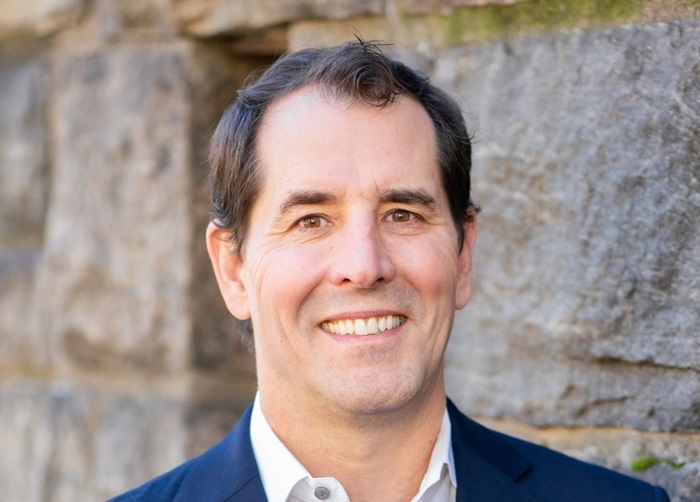
We recently had a chance to get Mike’s powerful thoughts on what he is doing and what is being done to make it all happen.
Editors: Mike, first of all we want to thank you for all you have done in your career to advance people-centric and social capital principles. That’s why we have honored you repeatedly and truly consider you a part of our community and our movement. We also truly value the powerful ideas and insights you have contributed to our center, since we first connected with you as CEO of Greyston Bakery through now as CEO of 40 Million Owners. In keeping with that — as you know, fairness, and all the elements of that principle and how to institute it into a business setting and policy structure, is an important effort that we have zeroed in on as integral to being a people-centric CEO. Tell us a little about why you consider it so important, and how you define it.
Mike Brady: I appreciate the opportunity to contribute to this year’s Fairness feature. As someone devoted to expanding employee ownership and creating equitable access to opportunity, I leaned into those themes.
Fairness of opportunity means creating a workplace where every individual, regardless of background or circumstance, has access to the tools, training and support needed to succeed. It is about focusing on the potential of each person and ensuring they have a real chance to contribute and grow within the organization.
Editors: Do you have some real-world proven examples you can offer our readers from your extensive background and experience?
Mike Brady: At Greyston Bakery, we brought that belief to life through open hiring, a model that removes traditional employment barriers like background checks, education requirements and interviews. Anyone could walk through the door and take a job, no questions asked. But fairness of opportunity does not end at the point of hire. It requires an ongoing commitment to helping people thrive once they are inside, through mentorship, skill development and supportive services that meet people where they are.
Today, I am inspired by how the employee ownership movement expands that same principle of fairness into wealth creation. Models like Employee Stock Ownership Plans (ESOPs), Employee Ownership Trusts (EOTs) and worker cooperatives ensure that those who create value share directly in its rewards. These models align fairness with ownership, turning an ideal into a measurable business practice that strengthens both individuals and organizations.
Editors: After filtering out a lot of the noise surrounding DEI in the last few years, some real and defensible concerns over fairness have emerged, which is one of the reasons we have focused on that principle and how to best deliver it. Out of that conversation has come some interesting considerations about the difference between fairness of opportunity and fairness of outcome. How do you distinguish between the two?
Mike Brady: Fairness of opportunity is about the conditions we create. Fairness of outcome reflects what those conditions produce. Both matter.
In all organizations, outcomes will naturally differ based on effort, skill and circumstance. However, when disparities persist across groups despite comparable effort, it signals that opportunity was never truly equal.
In an employee-owned company, fairness of outcome naturally follows fairness of opportunity because the structure ensures that, when the business succeeds, everyone benefits. True fairness is not about equalizing results, but about creating conditions where outcomes are the honest reflection of equal access and shared participation.
Editors: We love that, Mike, and that intention is such a motivator for us at the Dave Alexander Center for Social Capital as we strive every day to create a world of abundance through opportunity created by the business world — which, itself, now has the greatest opportunity to accomplish that it has ever had before in an increasingly connected world. Yet, sometimes that world is also stymied by an increasing lack of access. What do you see as the greatest challenges?
Mike Brady: The greatest challenge to fairness in business today is inertia. Organizations cling to systems that fail both people and performance. Hiring practices screen out potential in favor of pedigree. Advancement favors familiarity over merit. Ownership structures exclude the workers who create the value. These aren’t neutral processes. They’re active choices that compound over time, narrowing opportunity and weakening competitive advantage. The instinct to protect what exists often blinds leaders to what’s possible. Breaking this pattern requires recognizing that the status quo isn’t stable. It’s costly.
Editors: And what about the greatest opportunities?
Mike Brady: The greatest opportunity lies in making fairness a competitive advantage. Companies that embed equity into their business model through inclusive hiring, transparent advancement pathways and broad-based ownership don’t just do good; they perform better. They attract top talent, drive innovation and build the resilience needed for long-term success. Organizations that integrate fairness into operations consistently outpace peers in employee engagement, creative problem-solving and sustainable growth. When people see a clear path forward and share in the value they create, they invest more deeply in outcomes. Fairness isn’t separate from strategy; it is strategy.
Editors: That being said, Mike, do you see the potential for that to happen, or are the powers that be too stuck in their ways? Is there hope?
Mike Brady: The coming generational transfer of business ownership presents an historic opportunity to reshape who builds wealth in America. As 12 million business owners approach retirement over the next decade, we face a choice: allow that wealth to concentrate further or expand ownership to the people who create it. Employee ownership isn’t charity. It’s a proven business model that aligns incentives, strengthens performance and builds lasting wealth for working people.
At 40 Million Owners, we help employee-owned companies grow through acquisition, providing the strategic framework and execution support that traditional advisors don’t offer. Every business that transitions to employee ownership doesn’t just change who owns it; it changes who benefits from it. If fairness is about giving everyone a chance, ownership ensures that chance leads to something real. We’re working to make employee ownership the rule, not the exception, because when people have a genuine stake in their work, they build stronger companies, more resilient communities and a fairer economy for everyone.
Editors: So perfectly and beautifully said, Mike. Thanks for doing what you do — and helping others to see how they can do it, too. We are with you, and good luck!