
Why You’re Missing Out if You’re Not Hiring Gen X
By Kyle Samuels | July 2, 2026 12:39 pm
Creative Talent Endeavors CEO makes powerful argument why workers in their 40s, 50s and even 60s might be the secret sauce for your success.
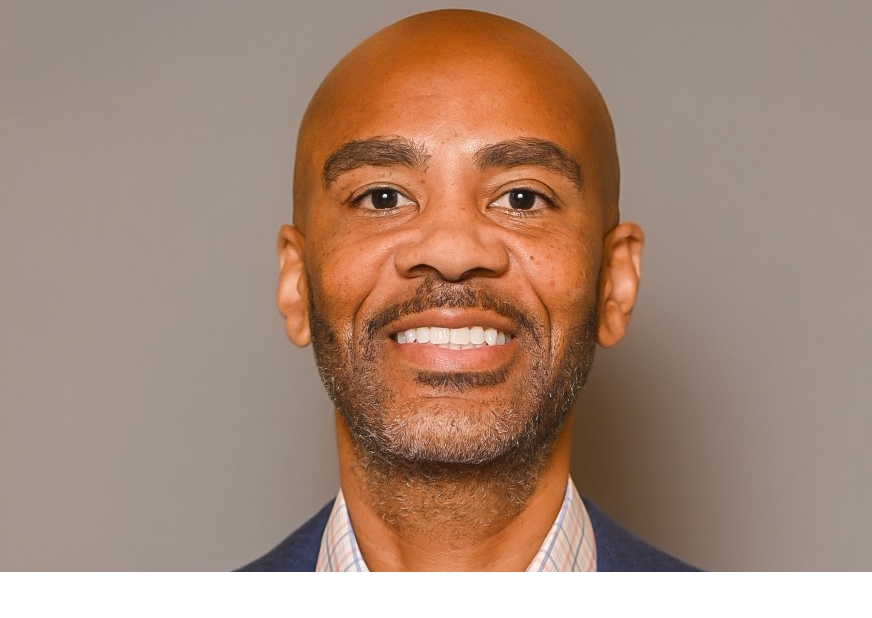
I run a retained search firm, which means I spend most of my week sitting inside other people’s hiring decisions. And lately, I keep watching the same mistake play out. Companies are quietly writing off a whole generation of talent they ought to be fighting over. I mean Gen X.
Let me make the case the way I’d make it across a conference table.
Start with where we came from. Gen X grew up before the participation trophy was a thing. Nobody handed me anything for showing up, and I never expected them to. You wanted the reward, you put in the work first, and then you got paid. That order mattered, and it’s wired into how a lot of us still approach a job. We don’t walk in on day one with a list of what the company owes us. We walk in trying to earn something. If you’ve spent the last few years managing people who want the reward before the proof, you already understand exactly how valuable that wiring is.
Now, the usual knock on hiring anyone over 40 is that they can’t keep up with the tools. That’s lazy, and it’s mostly wrong. Gen X is young enough to be completely fluent with the new stuff. I’ve watched people in their late 40s pick up AI and machine learning tools faster than the 25-year-olds sitting next to them, and the reason is simple. They actually understand the work the tool is supposed to do, so they know what good output looks like and what’s garbage. The software is just software. We’ve already lived through three or four waves of “this changes everything.” We figure it out, we put it to use, and we get back to the job.
Then there’s the life-stage piece, which nobody wants to say out loud but everybody factors in anyway. A lot of us are at the point where the kids are older. Some of them are grown and out of the house. That can make somebody more available, not less. It can make a relocation easier when the youngest is past 18 and there’s no school district to protect. And it changes why a person comes to work. At this stage, I’m not showing up to find my best friends or to have my employer manage my life for me. I’m showing up to execute. I understand the deal. I trade my work for compensation, I do it well, and I don’t need the office to be my whole identity. That’s a healthy, realistic exchange, and frankly it’s a relief to manage.
Here’s the part I really want you to hear, because this is where so many companies get it backward. A lot of strong Gen X people got caught in the layoffs of the last few years. That does not mean they’re weak. Half the time what happened was somebody upstairs decided this person didn’t have the stretch to be a C-level leader someday, so they let them go to make room for the next crop. Okay. Fine. Not everyone is supposed to be in the C-suite, and you don’t want a company full of people auditioning for it. You need great individual contributors who actually finish things. You need that middle layer of managers who know how to run a team and keep the trains moving. And when something blows up — and something always blows up — you want somebody in the room who has seen it before.
That’s the thing experience buys you that a résumé can’t fully show. Somebody with 25 or 30 years in corporate America is not going to get flustered when the quarter goes sideways or a key vendor walks or the launch slips. It isn’t their first rodeo. They’ve already had the bad quarter, the reorg, the boss who lost his mind, the client who threatened to fire everyone. So, when the building’s on fire, they’re the calm person walking toward it instead of the one freezing up. If you’ve ever had to lead through a genuine crisis, you know that calm is worth a fortune, and you can’t manufacture it. You earn it by living through hard things.
I’d separate that out from raw experience, too, because they’re not the same. What I’m really talking about is discernment. More reps give you better judgment. You start to recognize the shape of a problem before it fully forms because you’ve seen its cousin a dozen times. You know which fights are worth having and which ones to let go. You know when a deal is real and when it’s somebody talking. A junior person can be brilliant and still not have that, through no fault of their own. They simply haven’t had enough at-bats yet. There’s no shortcut. You get discernment by being wrong a bunch of times and paying attention to why.
And then there’s the one that matters most to me, because it underwrites everything else. Relationships. I don’t care what business you’re in. Strip away the org chart and the tech stack and it all comes down to whether people trust you and want to work with you. Gen X is interesting here because we straddle two worlds. We know how to use the internet, obviously, but we came up before it. We learned to build a relationship by actually building one. We walked across the room and asked a stranger if they wanted to dance without having scrolled their whole LinkedIn and Instagram first. We had to read a face, carry a conversation, sit in the discomfort of not knowing how it would go. That builds a muscle.
It’s a muscle a lot of younger folks haven’t had the chance to develop, and I want to be careful how I say this, because it’s not their fault. They grew up with the introduction already mediated by a screen. The hard, human parts of connecting got smoothed over by an app. So, when the moment comes that calls for picking up the phone, repairing a frayed client relationship, sitting across from someone and reading what they’re not saying, some of them simply haven’t had the reps. The ones who have are gold. But you can’t assume it’s there anymore the way you once could.
So, put it all together. You’ve got people who don’t expect to be carried, who are fluent with the newest tools, who are at a stage of life built for execution, who stay calm when things break, who’ve earned real judgment, and who actually know how to build relationships with other human beings. A lot of them are on the market right now, available, and being skipped over because somebody saw the layoff on the résumé or did the math on their age and moved on to the next file.
That’s the opening. The companies that figure this out before everyone else are going to staff their hardest, most important seats with people who can actually do the job on day one. Next time a Gen X résumé comes across your desk and your first instinct is to keep scrolling, ask yourself what you’re really screening out.
Kyle Samuels is the founder and CEO of Creative Talent Endeavors, a retained executive search firm known for helping organizations identify and hire the leadership talent that drives growth, transformation and long-term value. Under Kyle’s leadership, CTE has been recognized twice on the Inc. 5000 list of fastest-growing private companies and was named the No. 4 fastest-growing company in Charlotte. He was also named to Engagedly’s 2025 Top 100 HR Influencers list.
Kyle is also the creator of the award winning Fairantee™, a value-based pricing search algorithm that uses data to determine the price of a search, not an arbitrary percentage like most search firms use.