Isak Pretorius Is Forging a Sustainable Economic Future for Africa’s Population
By Chris Benguhe, RaeAnne Marsh and Elaine Pofeldt | March 26, 2026 11:37 am
By leading ForAfrika as a bridge between the nonprofit and for‑profit worlds, he’s created a circular model that rejects those limiting labels and focuses instead on one holistic goal: ‘being for good business.’
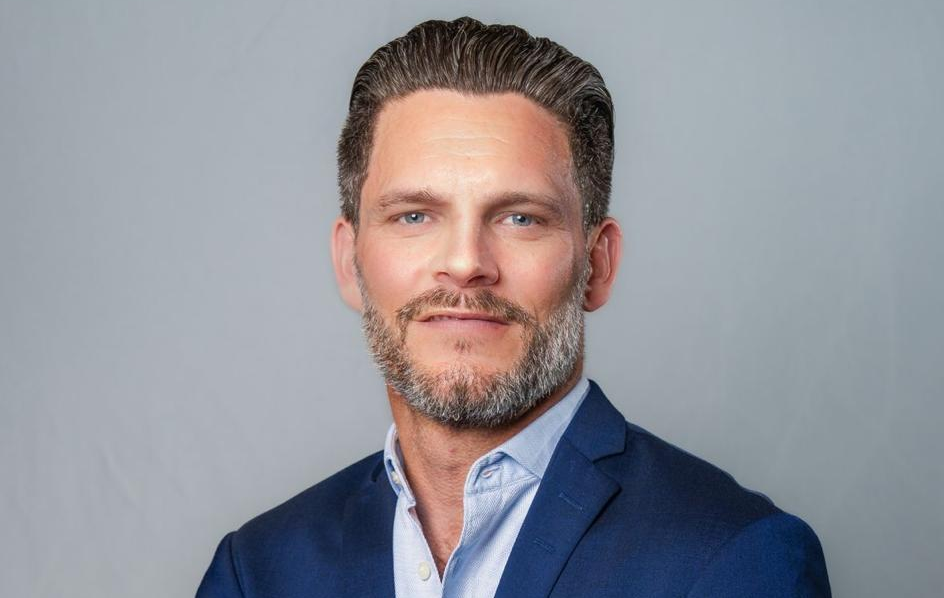
“I believe that thriving is a result of a complex set of decisions that we make on a daily basis. So, you can have unlimited resources and still not thrive,” says Isak Pretorius, Group CEO of ForAfrika. One of Africa’s largest NGOs, with more than 40 years of impact across the continent, ForAfrika has a powerful for-profit element as well, working together to create prosperity and opportunity in Africa.
“We engage with those communities where they’re at,” Isak says, explaining, “We listen to that community, we respect them. And when we hear from them what their plan A is, then we take our knowledge, experience, expertise, and we help them to adjust that plan where necessary to create plan A+.” This, he makes very clear, is different from plans that announce, “We have community buy-in”: “What you actually have, though, in many cases, is support from community to the only thing that had resources on offer. But it’s not their plan A, and it’s therefore inherently unsustainable from day one. And in our opinion, in many ways, quite disrespectful to that very community.”
ForAfrika’s approach is to engage in a way that listens to the community’s plan, helps them polish and improve their plan and then bring resources to that plan. “It’s inherently sustainable from day one because the community owns it. It’s their plan. They’ve got to make it happen, not you, and you’re there to support them in that journey. And so that’s where we establish true strategic partnerships, I want to call it, with those communities. And then we walk a journey with them.”
ForAfrika has a “dynamic development continuum” that starts with humanitarian and development work to stabilize communities and ensure access to basic resources, then transitions to more for-profit or “social capital” work to help communities become commercially viable and able to thrive. This involves securing large commercial offtake agreements and aggregating them out to local producers, providing them with loans and support to scale their businesses.
With examples that are both gut-wrenching and inspirational, Isak addresses the “give them a fish versus teach them to fish” debate. “We still do emergency programs and sometimes we get criticism for them. Because it’s like, ‘Well, you’re giving fish.’ We say, ‘Yes, we proudly give fish.’ ‘No, no, no, no, but you should teach people to fish because then you feed them for a lifetime.’ And I say to people, ‘I don’t disagree with you at all. That’s why we also teach people to fish.’ But the truth is that there is a role for giving fish to keep people alive long enough for them to learn how to fish. There are still many people on our continent who, if we don’t give them a fish, will die before we teach them how.”
But he goes further and points out why “teach them to fish” is not the success story it’s often cited as. Referring to glowing reports of increasing tomato production five times over, he notes, “When you dig deep into it, those women are still sitting at the same little school desk in the local market, selling their tomatoes to the same market. So, what’s happened to the 5-times production? There’s been an equal 5-times reduction in the price or value of tomatoes in their market. So, they’re actually hardly making anything more than what they were before. And in fact, tomatoes are now going to waste. So, we can’t just teach people to fish. We actually have to build the fishing businesses and the fishing industry that is going to make all of that work.”
ForAfrika’s approach is not just about providing aid or teaching people to fish, but about building entire fishing industries and value chains to ensure that increased production truly translates to increased incomes and prosperity. The organization measures its success through Sustainable Livelihoods and Thrive-ability Indices, with goals to see 500,000 people on a thriving platform in the next three years, and 20 million self-sufficient and 6 million thriving within 10 years.
“We’re in it for the long haul until Africa thrives,” Isak says, noting “We have the most incredible people in this organization. Ninety-nine percent are African. Most come from the very communities that they’re working in. And that is a true power for us because that means that our Africanism is able to actually play out to its greatest strength because we understand local context, we’re rooted and grounded in those local communities, and we have the ability to live up to our promise that we’re not going to leave.”
Isak brings to this effort a background in investment banking combined with humanitarian and development work. But ForAfrika’s approach is rooted in the experiences of Isak’s father, who witnessed extreme poverty and deprivation in Mozambique in the 1980s, and committed the rest of his life to fighting this injustice. Referring to Nelson Mandela’s statement, “”Overcoming poverty is not a task of charity. It is an act of justice,” Isak says, “And my father really believed that. He lived that out.”
Of the work he does with the organization his parents founded, Isak says, “Now I found the thing I’ll give the rest of my life to, building the bridge between the two and creating, pulling these worlds together. And so, for me, I don’t see nonprofit and for-profit. I see for good business. I think we have to build businesses that are for good. And yes, they have to be for the good of a shareholder because people who invest money into a business need to see some kind of return, but that return is impact first, okay? And so, it’s for the good of shareholders. It’s for the good of the community. It’s for the good of the employees.”
Setting the ForAfrika story within the background of his fascinating personal history. Isak eloquently shares the dynamic and inspirational approach to overcoming a systemic challenge to improving people’s lives. Will this conversation blow you away as it does us? Click the link below.